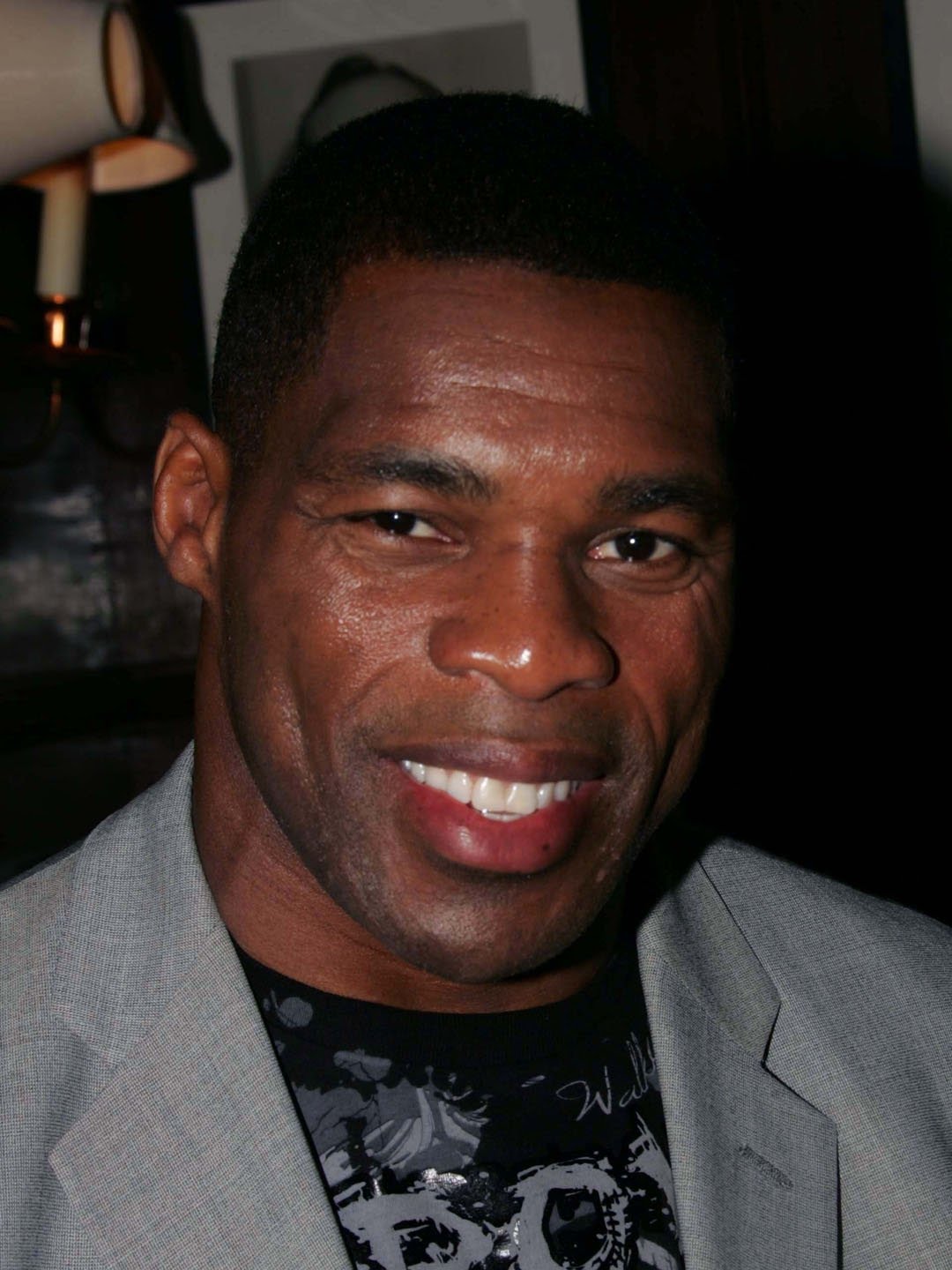
Many people think they know who Herschel Walker is. The 1982 Heisman Trophy winner, pro football star, and Olympian has been an American athletic hero for most of his life. Little did we know there are multiple sides to him that even he didn’t know about.
Not until he sat down to write his autobiography did Walker say he truly understood who he was, someone with a dissociative identity disorder.
What is dissociative identity disorder (DID)?
Per Psychiatry.org, dissociative identity disorder is associated with overwhelming experiences, traumatic events, and/or abuse that occurred in childhood. Dissociative identity disorder was previously referred to as multiple personality disorder.
Featured on BlackDoctor
Symptoms of dissociative identity disorder (criteria for diagnosis) include:
The existence of two or more distinct identities (or “personality states”). The distinct identities are accompanied by changes in behavior, memory, and thinking. The signs and symptoms may be observed by others or reported by the individual.
Ongoing gaps in memory about everyday events, personal information, and/or past traumatic events.
The symptoms cause significant distress or problems in social, occupational, or other areas of functioning.
In addition, the disturbance must not be a normal part of a broadly accepted cultural or religious practice. As noted in the DSM-51, in many cultures around the world, experiences of being possessed are a normal part of spiritual practice and are not dissociative disorders.
The attitude and personal preferences (for example, about food, activities, clothes) of a person with dissociative identity disorder may suddenly shift and then shift back. The identities happen involuntarily and are unwanted and cause distress. People with dissociative identity disorder may feel that they have suddenly become observers of their own speech and actions, or their bodies may feel different (e.g., like a small child, like the opposite gender, huge and muscular).
The Sidran Institute notes that a person with dissociative identity disorder “feels as if she has within her two or more entities, each with its own way of thinking and remembering about herself and her life.
It is important to keep in mind that although these alternate states may feel or appear to be very different, they are all manifestations of a single, whole person.” Other names used to describe these alternate states including “alternate personalities,” “alters,” “states of consciousness” and “identities.”
What are the treatments of dissociative identity disorder?
With appropriate treatment, DID is manageable and patients can live a balanced, well-rounded life.
One of the most important forms of treatment typically involves psychotherapy. Therapy can help people gain control over the dissociative process and symptoms. The goal of therapy is to help integrate the different elements of identity. Therapy may be intense and difficult as it involves remembering and coping with past traumatic experiences. Cognitive behavioral therapy and dialectical behavioral therapy are two commonly used types of therapy. Hypnosis has also been found to be helpful in treatment of dissociative identity disorder.
There are no medications to directly treat the symptoms of dissociative identity disorder. However, medication may be helpful in treating related conditions or symptoms, such as the use of antidepressants to treat symptoms of depression.
BDO’s Black History of Health series is designed to show the correlation between the health of historical black figures and Black Americans today. Many of the health disparities we currently experience have been in our community for centuries. This series is meant to bring these conditions to the forefront and provide blacks with preventative and management steps to reduce these disparities and improve the overall health of the Black American community. It’s time to change the narrative.
BlackDoctor is the world’s largest and most comprehensive online health resource specifically for the Black community. BlackDoctor understands that the uniqueness of Black culture - our heritage and our traditions - plays a role in our health. BlackDoctor gives you access to innovative new approaches to the health information you need in everyday language so you can break through the disparities, gain control and live your life to its fullest.
✦ AI Search Disclaimer This AI-powered search tool helps you find relevant health articles from the BlackDoctor.org archive. Please keep the following in mind:
✦ For Informational Purposes Only The information provided through this AI search is for general educational and informational purposes only. It is not intended as a substitute for professional medical advice, diagnosis, or treatment.
✦ Always Consult a Healthcare Provider Never disregard professional medical advice or delay seeking it because of something you have read through this search tool. If you have a medical emergency, call your doctor or 911 immediately.
✦ AI Limitations This search tool uses artificial intelligence to help match your queries with articles in our archive. While we strive for accuracy, AI-generated results may occasionally be incomplete, outdated, or not fully relevant to your specific situation.
✦ No Doctor-Patient Relationship Using this search tool does not create a doctor-patient relationship between you and BlackDoctor.org or any healthcare provider.
Explore over 35,000 articles and videos across black health, wellness, lifestyle and culture




 The Sidran Institute notes that a person with dissociative identity disorder “feels as if she has within her two or more entities, each with its own way of thinking and remembering about herself and her life.