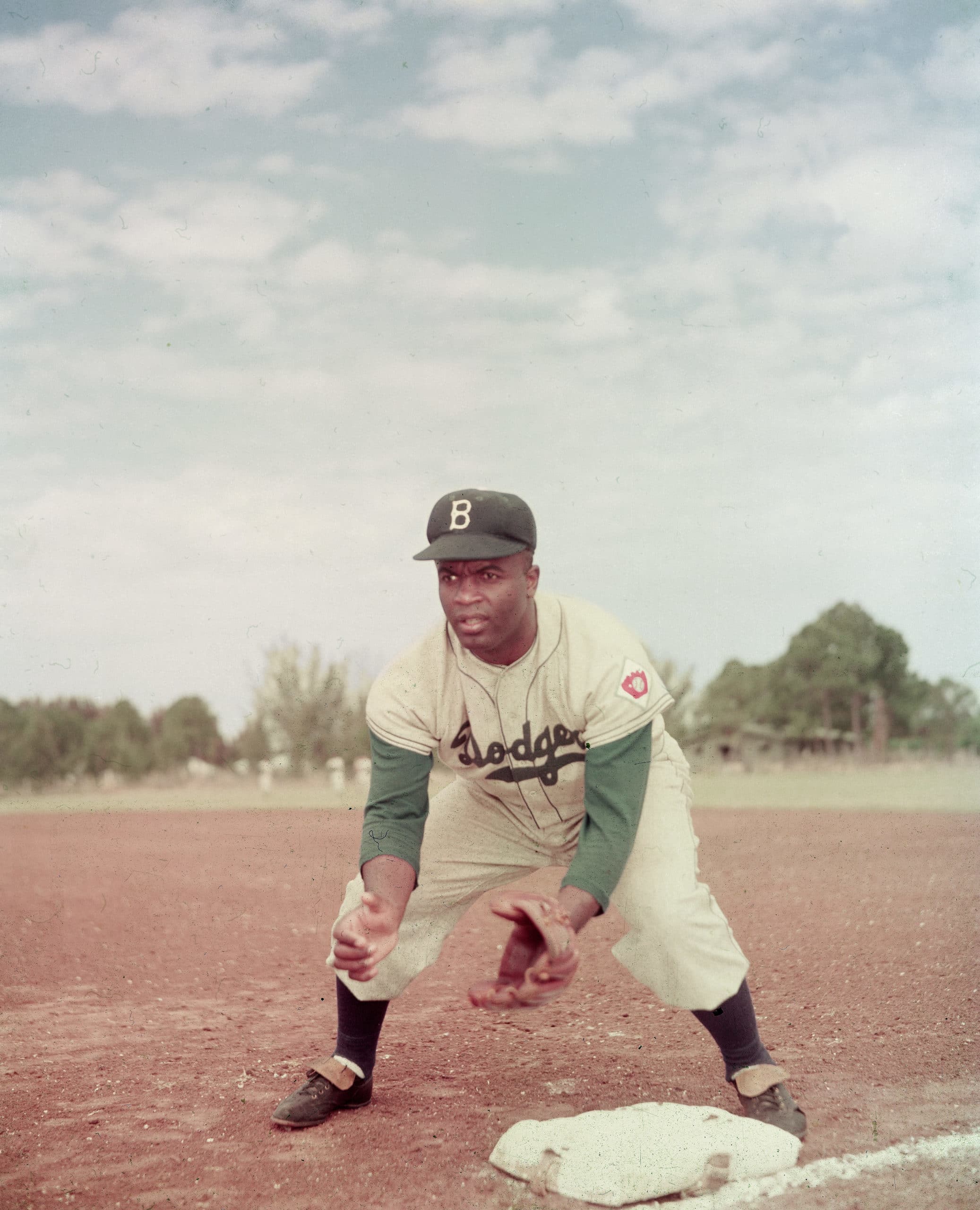
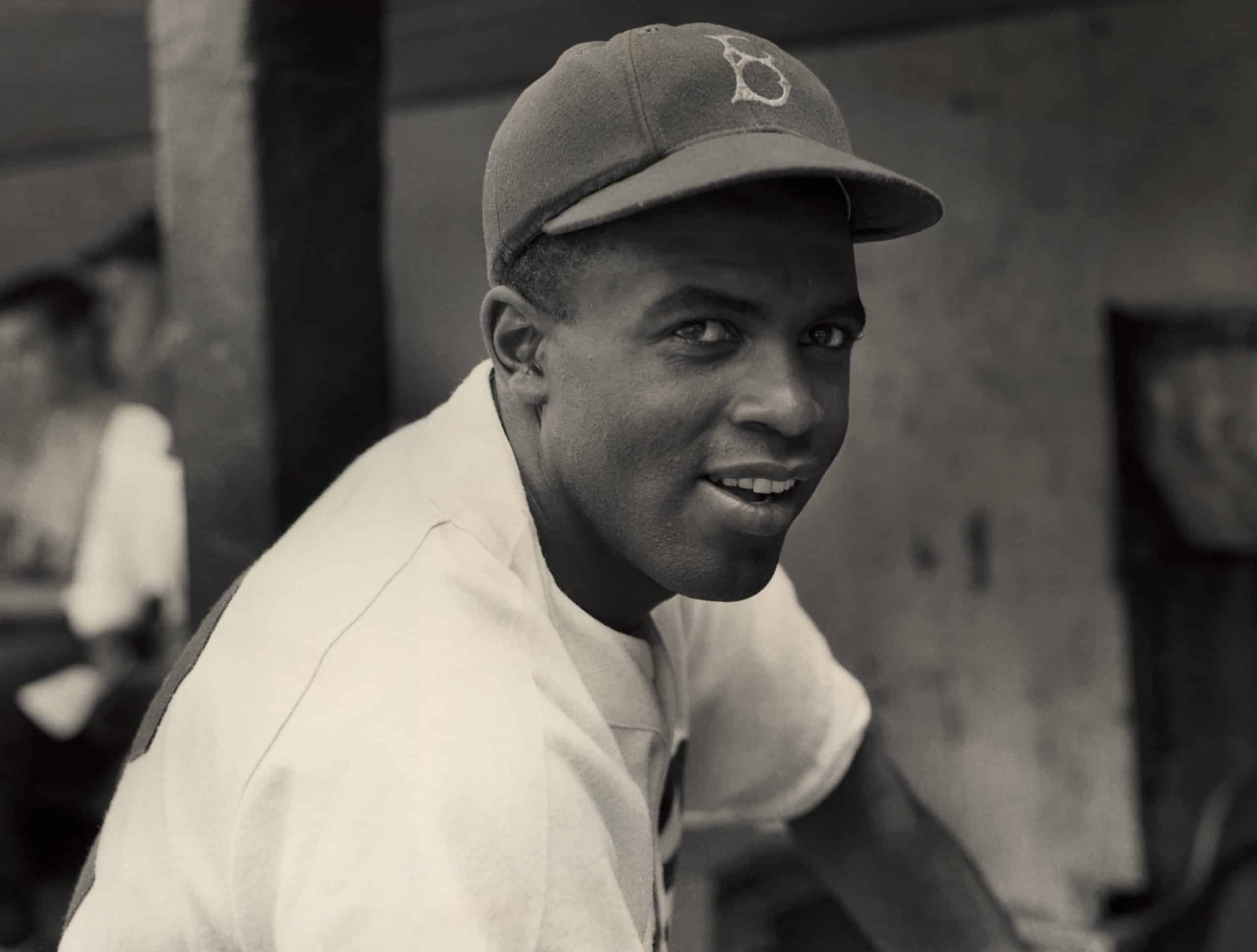
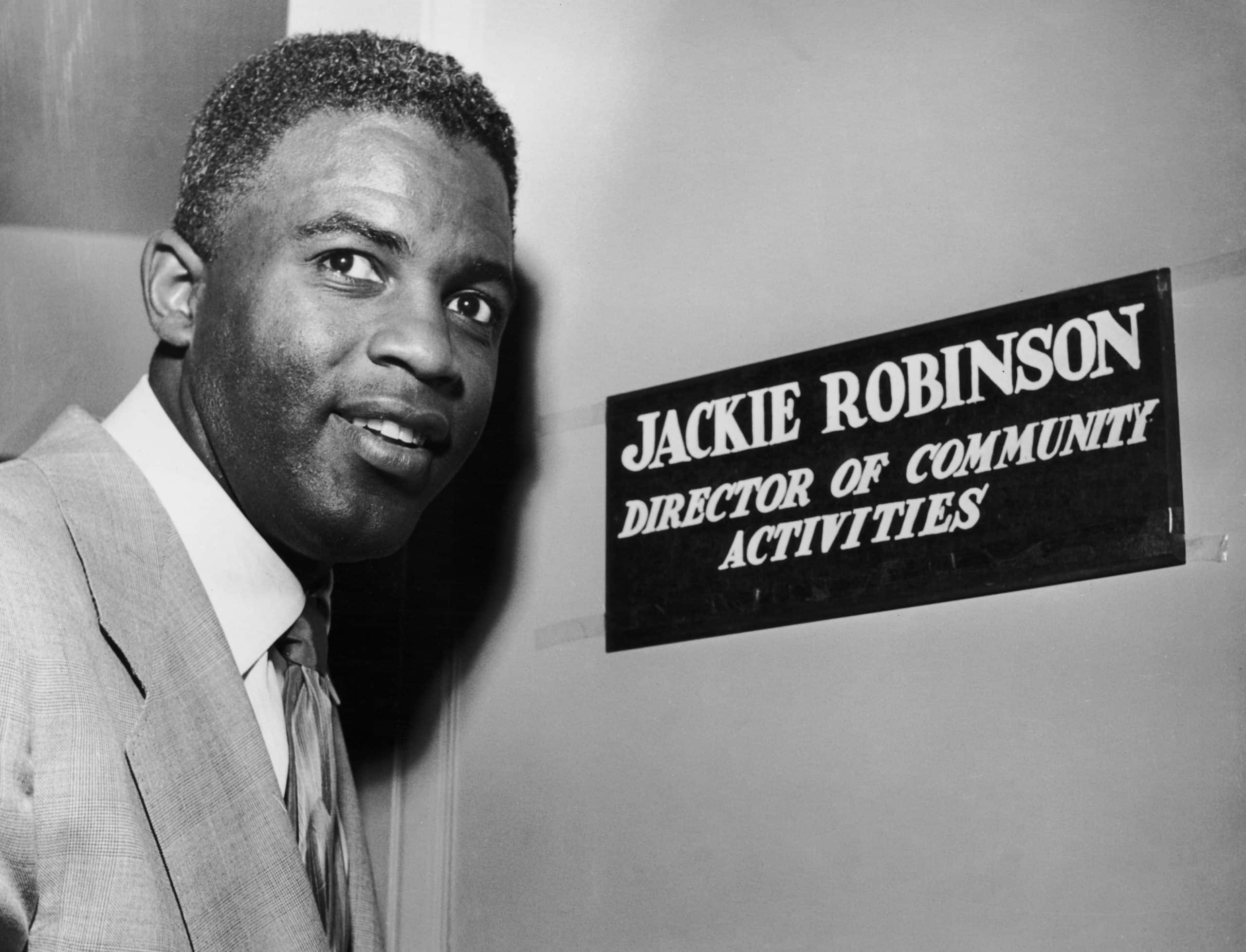
Famous for his kind and cool demeanor in the face of cruel racial insults while playing for the MLB, Jackie Robinson cemented himself as not only a sports icon but a moral leader. He’s an enduring baseball and civil rights icon, as well as a clear example of how times have changed for people with diabetes since his passing in 1972 at age 53.
Although it’s well reported that he died of a heart attack, it’s not common knowledge that his heart problems derived from complications with diabetes. In fact, his diabetes remains so shrouded in mystery that there isn’t even solid confirmation of which type he had listed in his official record of death.
Even in his autobiography “I Never Had it Made”, Robinson doesn’t mention his diabetes, even after almost losing his eyesight to the disease.
“Why does it matter that Jackie Robinson had diabetes?” Hirsch says, “Because perceptions matter and Robinson could have blunted some of the misperceptions that existed during his life and to some extent still remain: that the disease only affects people who are old or overweight, or that the discovery of insulin has either cured it or at least made it not that serious.”
The lack of acknowledgment could be attributed to a lack of information about the disease at the time of his diagnosis, but now, it’s time to shed more light on the condition and use the icon as an example to raise awareness about type 2 diabetes, especially when it continues to disproportionately plague the Black community.
According to the Mayo Clinic, type 2 diabetes is an impairment in the way the body regulates and uses sugar (glucose) as fuel. This long-term (chronic) condition results in too much sugar circulating in the bloodstream. Eventually, high blood sugar levels can lead to disorders of the circulatory, nervous, and immune systems.
In type 2 diabetes, there are primarily two interrelated problems at work. Your pancreas does not produce enough insulin — a hormone that regulates the movement of sugar into your cells — and cells respond poorly to insulin and take in less sugar.
Type 2 diabetes used to be known as adult-onset diabetes, but both type 1 and type 2 diabetes can begin during childhood and adulthood. Type 2 is more common in older adults, but the increase in the number of children with obesity has led to more cases of type 2 diabetes in younger people.
RELATED: Type 2 Diabetes: The Disease You Can Actually ‘Reverse’
Type 2 diabetes is primarily the result of two interrelated problems:
Cells in muscle, fat, and the liver become resistant to insulin. Because these cells don’t interact in a normal way with insulin, they don’t take in enough sugar.
The pancreas is unable to produce enough insulin to manage blood sugar levels.
Exactly why this happens is unknown, but being overweight and inactive are key contributing factors.
The American Diabetes Association reports that signs and symptoms of type 2 diabetes often develop slowly. In fact, you can be living with type 2 diabetes for years and not know it. When signs and symptoms are present, they may include:
Although there’s no cure for type 2 diabetes, losing weight, eating well, and exercising can help you manage the disease.
BDO’s Black History of Health series is designed to show the correlation between the health of historical black figures and Black Americans today. Many of the health disparities we currently experience have been in our community for centuries. This series is meant to bring these conditions to the forefront and provide blacks with preventative and management steps to reduce these disparities and improve the overall health of the Black American community. It’s time to change the narrative.


By subscribing, you consent to receive emails from BlackDoctor.com. You may unsubscribe at any time. Privacy Policy & Terms of Service.