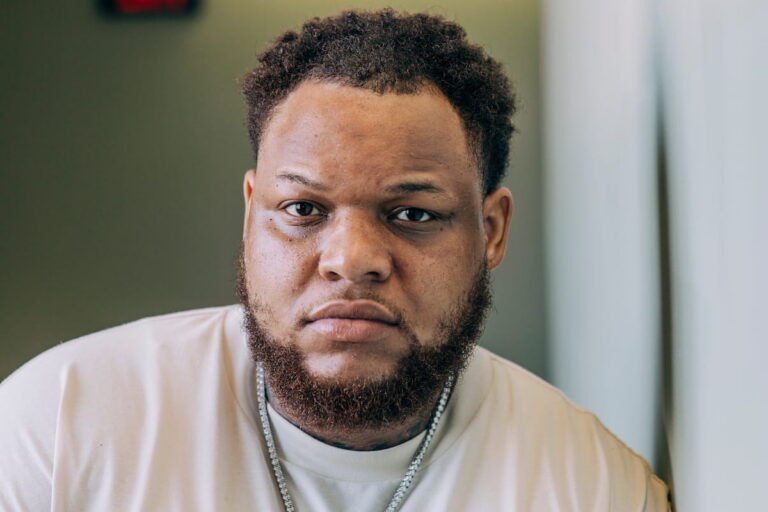
Research from a recent study experiment published in the Journal of Health Economics found Black respondents were more willing to participate in a clinical trial if the healthcare team was also Black. These findings suggest that representation in medical research could play a key role in building trust and encouraging clinical trial participation.
The experiment was conducted based on results from a 2022 National Academies of Science, Engineering, and Medicine report. The report offered strategies that could help improve the number of Black participants in clinical trials. One suggestion was that healthcare facilities running clinical trials hire more Black employees into leadership roles to help increase participation.
According to the study results, Black participants were more likely to join a clinical trial when they saw that a Black Principal Investigator (PI) was leading the research. However, Black PIs make up less than 4 percent of researchers funded by the National Institutes of Health (NIH), showing a gap in clinical trial research.
The study results support earlier research that suggests having more representative investigators could close the racial gap in clinical trial participation. Having more Black PIs could be the key to building trust and improving representation in medical research. Principal investigators who are part of the Black community could offer participants a different perspective than their white counterparts. This could make them more inclined to ask the types of questions that could increase enrollment and build trust.
“It has a lot to do with lived experiences and understanding, Next Innovative Clinical Research CEO, LaToya Hinton-Howery, told BlackDoctor.org. “A Black doctor is more likely to understand that participants struggle and be more patient with explaining the study; it’s an unspoken connection,” the research director continued.
To be part of the study, participants had to be between 25 and 64 years old. They also had to be born in the United States and self-identify as both Black and non-Hispanic. The researchers exceeded their goal of including 300 people to be part of the experiment and were able to recruit 323 qualified participants.
As part of the study, participants were shown a professional headshot of a Black NIH investigator and asked the following questions:
If the person in this photograph were leading a medical research study to prevent a disease that affected people in your community, how interested would you be in participating in this study, if at all?
Responses were measured on a 0-10 scale, ranging from “not at all likely” to “extremely likely.” The goal was to see how the participants rated the investigators’ traits, such as how old they appeared, how attractive they were, and how much education they had achieved. The PIs photos were also judged on how trustworthy and capable they appeared. The study pulled information from prior marketing research showing how those traits can influence people’s decisions and opinions.
The study found that Black participants were more willing to join clinical trials when they were presented with photos that indicated a Black principal investigator was the research trials’ lead healthcare provider. The biggest reason for their interest was based on how trustworthy and attractive the PI seemed. The PIs’ sex, however, did not make a difference. Participants were not more likely to join a clinical trial when the PI was the same sex as them.
The experiment suggests that hiring Black PIs could boost Black participation in clinical trials, but it’s not as simple as focusing on more diverse hiring. Barriers like inconsistencies in healthcare, a distrust of the healthcare industry, and a lack of access to clinical trials based on location and other interpersonal reasons, are also important factors. More research is needed to see if having more representative clinical trials could help fix these larger problems.
To learn more about clinical trials for Black Americans, visit our Clinical Trials Resource Center.

By subscribing, you consent to receive emails from BlackDoctor.com. You may unsubscribe at any time. Privacy Policy & Terms of Service.