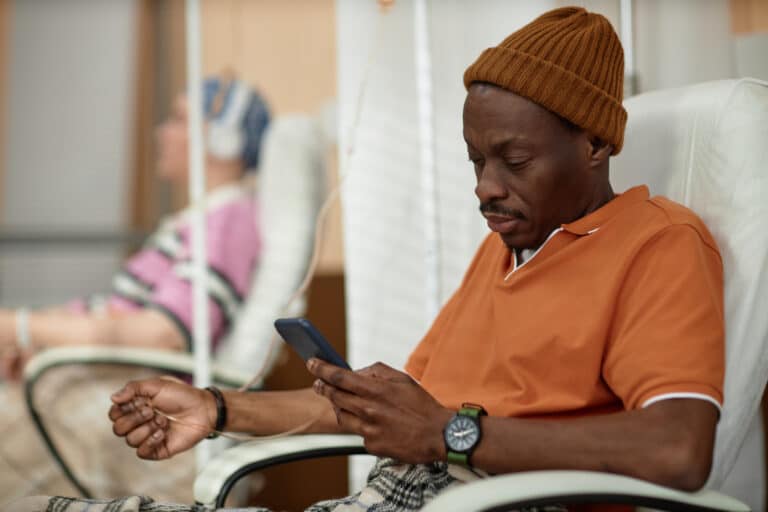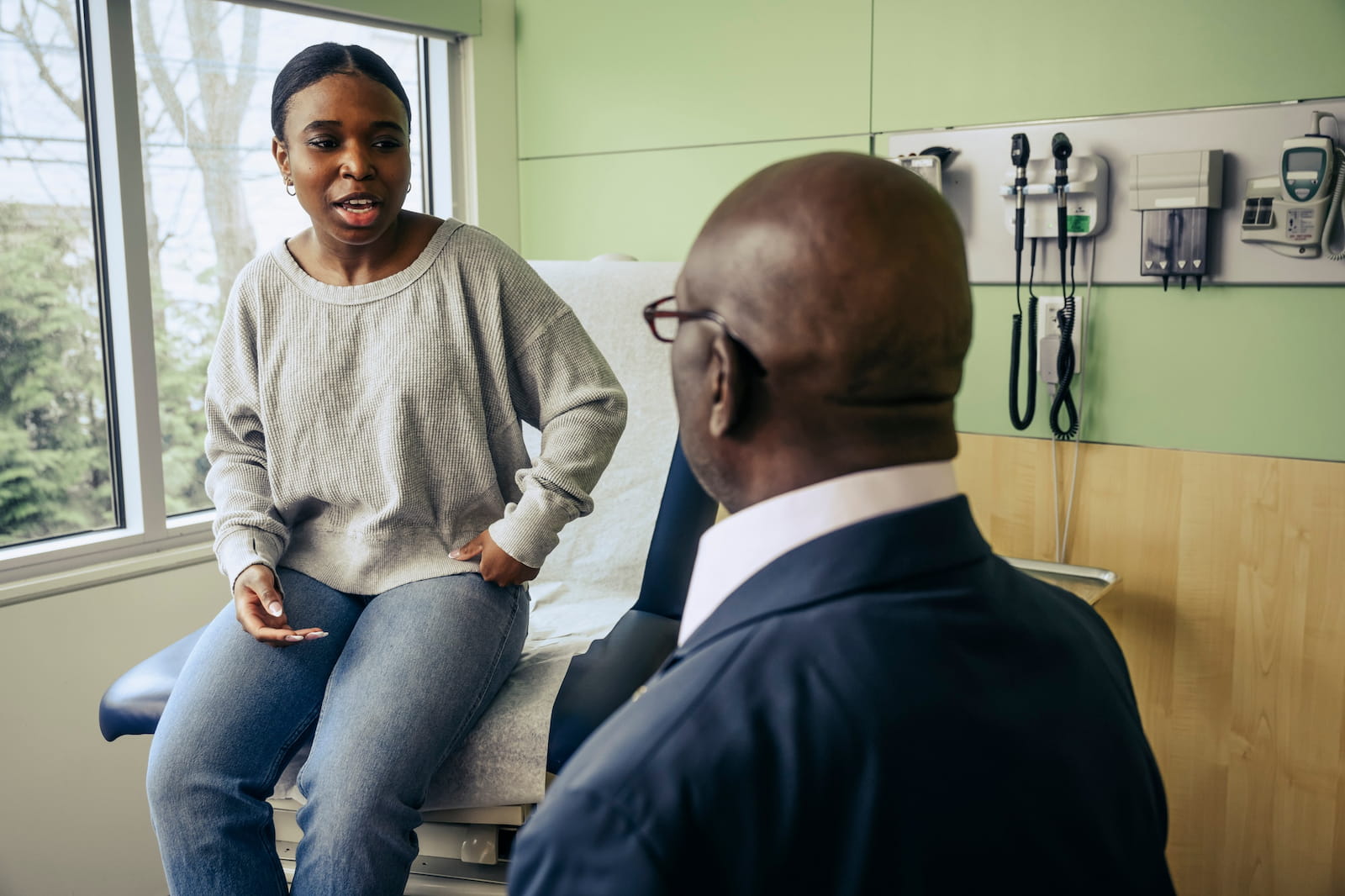
Many Black Americans hesitate to participate in clinical research. While today’s clinical trials operate under strict ethical and safety standards, long-standing distrust of the healthcare system, fueled in part by historical injustices such as the Tuskegee Syphilis Study, continues to discourage many Black Americans from participating in clinical research.
BlackDoctor spoke with Amber Hill, PhD, founder and CEO of Research Grid, to understand the barriers that contribute to lower Black participation in clinical trials, how research goes beyond testing new medications, and the role of Black people in developing safer and more effective treatments for everyone.
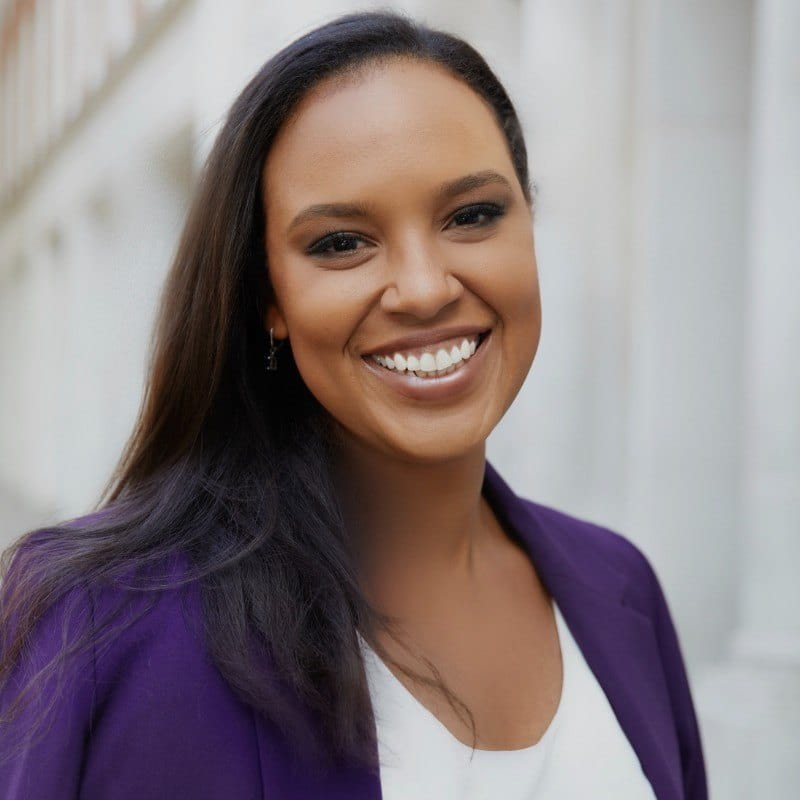
Dr. Hill’s family’s health experiences inspired her to work in clinical research. Her mother had undergone more than 20 surgeries, including a major spinal procedure. Watching her mother endure numerous treatments highlighted both the impact of medical innovation and the need for continued research to develop better options for future patients.
“Every single one of those [treatments] had a clinical trial around it at some point,” she says.
Beyond her personal history, Dr. Hill’s decade-long career in clinical trials has motivated her to change the industry. She has seen firsthand how outdated systems can slow research progress, which is why she founded Research Grid.
Research Grid helps remove administrative barriers that delay research, bringing treatments to patients faster and improving outcomes across many diseases and conditions.
Many treatments are developed and tested using patient populations that don’t fully reflect the diversity of patients who will ultimately use them. Black communities, in particular, continue to be underrepresented in many clinical trials.
Greater Black participation in clinical research is important because:
When communities are excluded from research, scientists may have less information about how those treatments work for those populations.
For example, Dr. Hill says one reason greater Black participation is needed is that much of the existing Parkinson’s research has been conducted in predominantly white populations, leaving important gaps in scientists’ understanding of how the disease affects other groups.
“We need a seat at the table, and whatever outcomes happen, we need to know that that’s going to work for us,” Dr. Hill says. “The only way to do that is to actually start participating.”
The takeaway? Clinical trial representation isn’t about checking a box. It’s about helping ensure treatments work safely and effectively for everyone. But Black people need to be more involved in research to see that change.
RELATED: What’s Standing in the Way of More Diverse Clinical Trials?
Several barriers can keep Black people from participating in clinical trials, including:
As previously mentioned, past unethical medical practices in Black communities have affected many people’s perspectives of medical research. Generations of families have carried those experiences and stories forward. Historical mistrust can discourage participation, as some patients worry they may not be treated fairly or that researchers won’t have their best interests in mind.
Many people may not know the ins and outs of clinical trials, which is completely understandable. They may be unfamiliar with why this specific research matters, how trials work, and what protections exist today.
“There’s a knowledge gap from the historical context to where we are now in terms of clinical trials,” Dr. Hill says.
But this knowledge gap doesn’t fall only on communities. Healthcare providers, researchers, and sponsors also have a responsibility to educate patients about clinical trials and explain why participation matters.
Even if someone is interested in clinical trials, they may still not participate if they’re unaware of the opportunities available. Many people don’t know where to find trials, how to apply, or what the eligibility requirements are. Healthcare providers may not always discuss clinical trials as a care option during routine visits. A doctor’s office is often the first place people hear about a clinical trial opportunity.
Resources like BlackDoctor’s Clinical Trials Resource Center and ClinicalTrials.gov can help patients learn about available studies.

Many assume participating in research means testing an experimental drug, but that doesn’t tell the whole story. Research opportunities can vary widely.
Dr. Hill shares several examples of the many ways people can participate in clinical trials, including:
Many of these opportunities aren’t invasive, which may be preferable for people who aren’t comfortable testing new drugs or other treatments but still want to contribute to medical research.
Here’s a breakdown of the different levels of clinical trial participation:
Not every study requires participants to take a new drug. You can choose opportunities that match your comfort level.
Better representation in clinical trials must begin before a study launches, Dr. Hill says. “I think we should be engaging with communities, irrespective of there being trials or not, as early as possible. When you’re talking about the context of a study, the earliest kind of phase you see is protocol design.” This is where being in a focus group offers an opportunity to contribute to research.
Dr. Hill shares a microbiome study where researchers planned to collect at-home stool samples. They conducted a focus group to see whether the study was feasible. “It was a funny focus group to be in because you had people of all ages asking, ‘How is that going to work?'” She says that the focus group ultimately saved researchers an estimated £6 million (roughly $8 million USD) by helping them identify problems before launching a larger study.
The feedback from the focus group helped researchers redesign the approach, showing that early input can make the study more realistic for participants, especially when recruiting patients from underrepresented communities.
In clinical trials, patients don’t have to be just participants. They can also be advisors and partners who help improve research from the start.
RELATED: Why You Should Join a Clinical Trial
Clinical research affects nearly every medication, device, and treatment available today. Participation can take many forms, from providing early-stage feedback to joining a clinical trial. Black communities, in particular, deserve a seat at the table when medical discoveries are being made.
As Dr. Hill notes, participation isn’t just about helping researchers. It’s about helping ensure future treatments reflect the needs of the communities most affected by disease. Whether that means joining a focus group, sharing health information, donating a blood sample, or enrolling in a clinical trial, every contribution helps shape the future of medicine.

By subscribing, you consent to receive emails from BlackDoctor.com. You may unsubscribe at any time. Privacy Policy & Terms of Service.