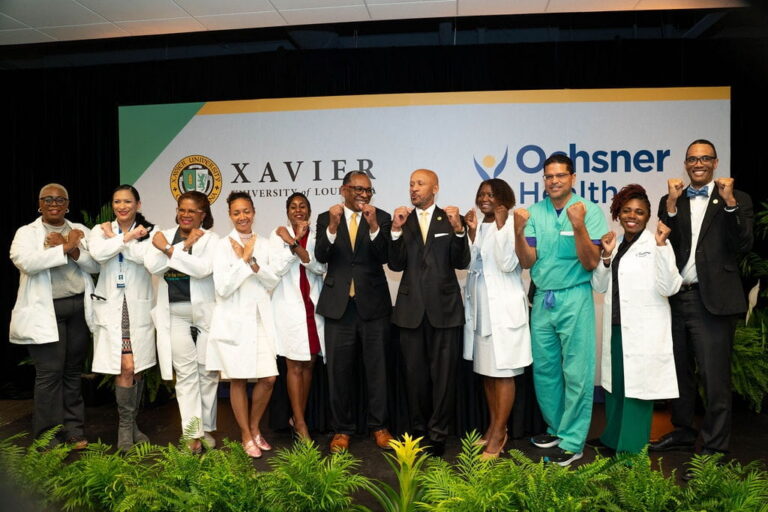
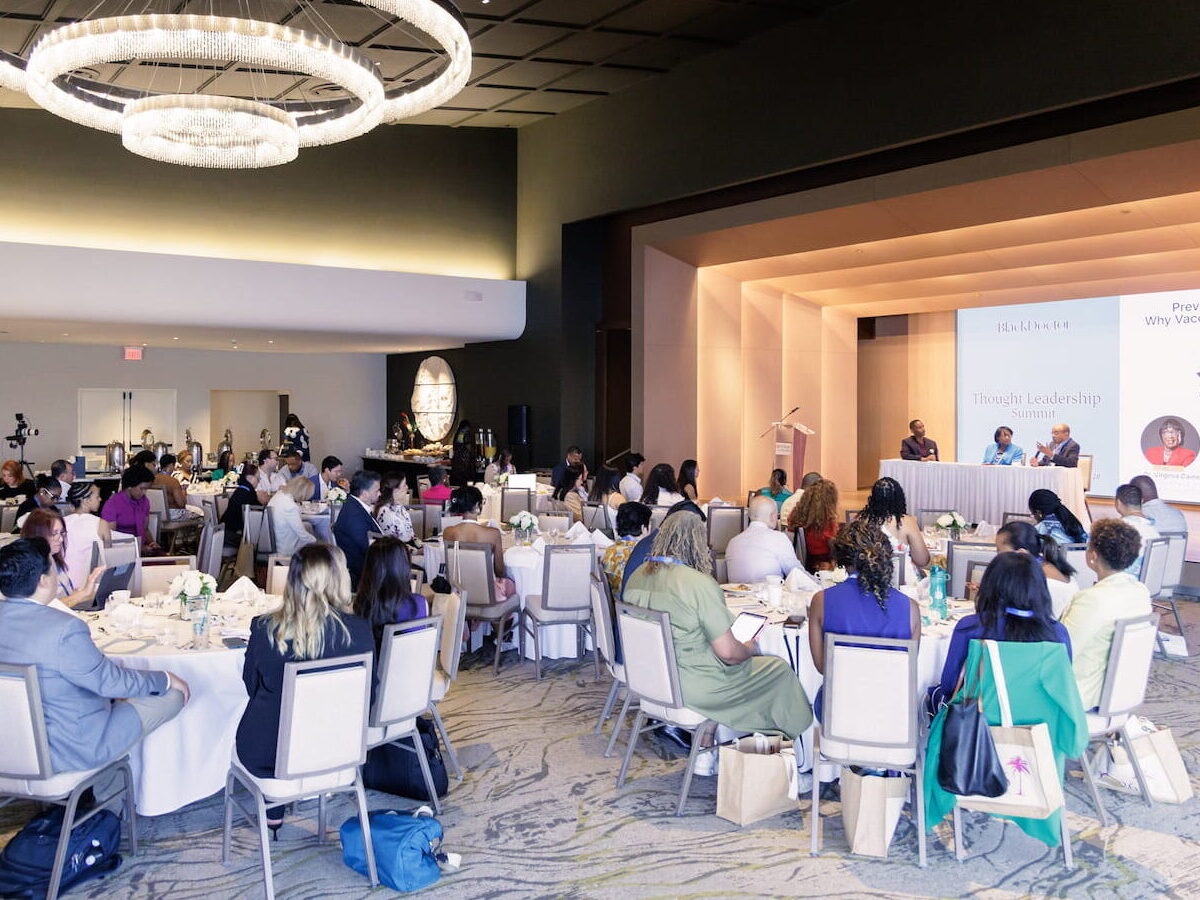
BlackDoctor held its inaugural Thought Leadership Summit during the National Medical Association’s Scientific Assembly and Convention in San Juan, Puerto Rico, bringing together leaders from medicine, public health and healthcare for a series of timely discussions on health equity, patient education, and the changing face of medicine.
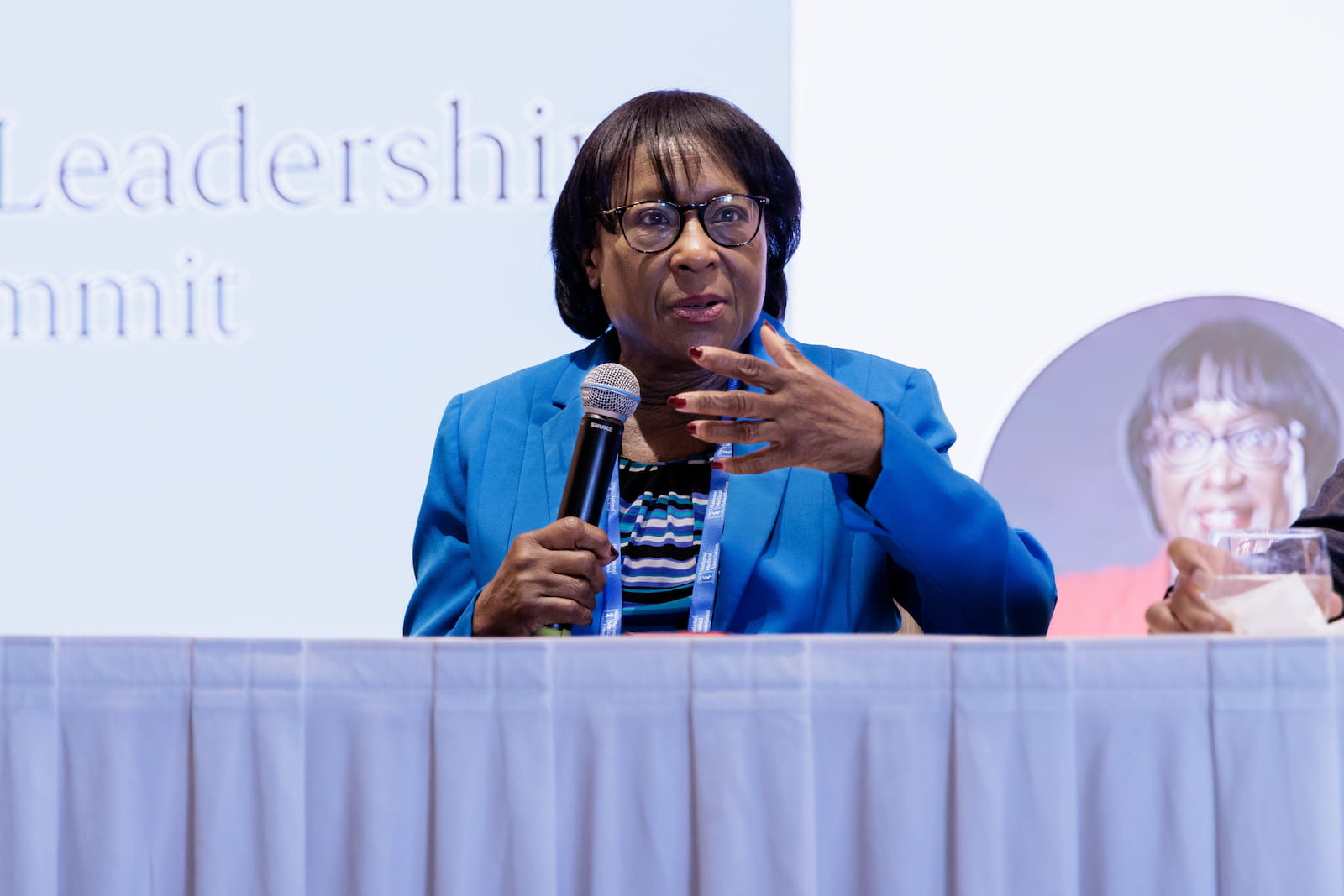
A centerpiece of the summit was “Prevention First: Vaccines Still Matter,” a panel discussion featuring Dr. Virginia Caine, Past President of the National Medical Association and Chair of its Infectious Disease Section, and Dr. Dial Hewlett, Chairman of the NMA Vaccine Task Force. The conversation was moderated by Derrick Lane, Chief Marketing Officer of BlackDoctor.
Held in partnership with the W. Montague Cobb NMA Health Institute and the National Medical Association’s Project IMPACT 2.0, and sponsored by Moderna, this July 27 panel examined one of the most pressing challenges facing communities today: how to build trust and strengthen vaccine confidence.
The panel went beyond the science of immunization to explore a more fundamental question: How can healthcare professionals communicate with patients in ways that make them feel informed, respected and empowered to make decisions about their health?
A clear message emerged throughout the discussion with Drs. Caine and Hewlett: the conversation has to start with listening.
“The first thing that we have to do is we have to listen to the patient,” Dr. Caine said, emphasizing that providers must understand the underlying reasons behind vaccine concerns before attempting to address them. “You got to get to the heart of what their concern is and then address it.”
Dr. Hewlett agreed, pointing out that the reasons for each patient may vary. He outlined three factors that can influence vaccine decisions: confidence, complacency and convenience. While some patients may question a vaccine’s effectiveness or safety, others may believe they do not need vaccination because they are healthy. Still others may face practical barriers, including transportation or work schedules that make accessing vaccination difficult.
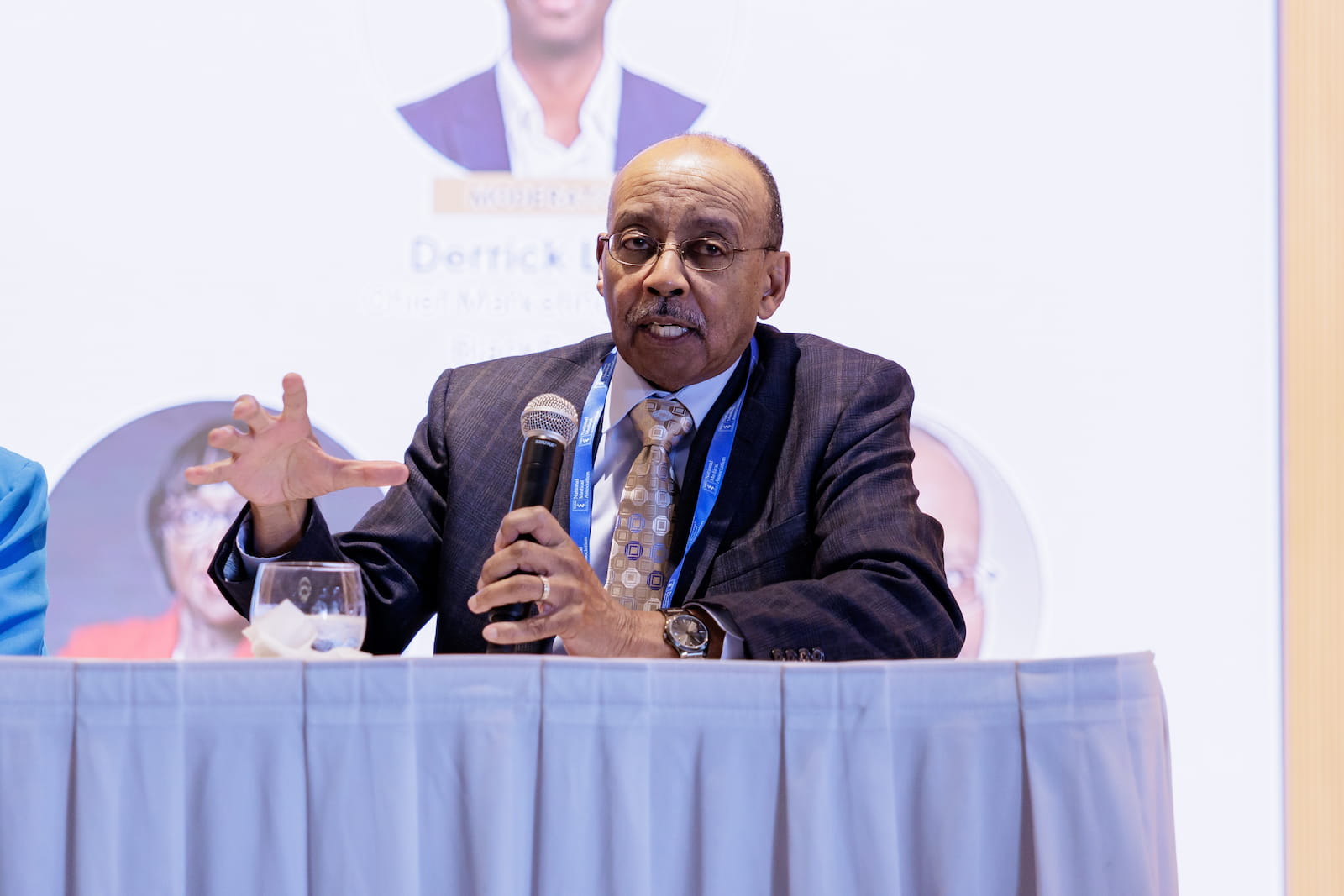
Regardless of the reason that is influencing a patient’s decision, trust is at the center of their decisions. Hewlett and Caine agreed that when patients do not feel heard or respected, they are less likely to trust the information they receive.
“The number one trusted messenger is the health care provider communicating to the patient,” Dr. Hewlett said.
While many may think that that trust stems from a patient’s doctor, trusted messengers extend well beyond the doctor’s office. Community organizations, faith leaders, barbers, salon operators and other local leaders can play an important role in helping communities access credible health information — especially depending on a patient’s culture.
Culturally-relevant outreach is really important, Dr. Caine stressed: “If I have people of brown color, they want to hear from someone from their community getting that message out.”
She said partnerships with community-based and civic organizations can help ensure that health messages are communicated in ways that resonate locally.
In fact, she shared a real-world example from Indianapolis where public health officials adapted their COVID-19 outreach after learning that some members of the Latino community could not access or read Spanish-language materials. Officials created Spanish-language hotlines and conducted telephone outreach and telethons to help people schedule vaccinations and testing.
The approach produced significant results, with Dr. Caine reporting that more than 90% of the Latino community between ages 25 and 90 in Indianapolis received the COVID-19 vaccine.
While vaccine discussions were a cornerstone of the COVID-19 pandemic, influenza, RSV, measles and other vaccine-preventable illnesses serve as reminders that the need for vaccination did not end with the COVID-19, Caine and Hewlett reminded the audience.
Hewlett reminded the audience about the consequences of declining vaccination rates and the importance of protecting future generations.
“It’s not just COVID,” Dr. Hewlett said. “It is also these other infections which we can easily prevent, which can be just as devastating as COVID was.”
The panelists noted that younger generations may not fully appreciate how devastating diseases such as measles and polio once were because vaccines dramatically reduced their prevalence.
“That’s why it’s so important that we have to protect our loved ones,” Dr. Hewlett said.
For physicians in the audience, they highlighted the role of healthcare providers in making vaccine recommendations more confidently and efficiently. One strategy for improving vaccination rates was to physicians to make a clear recommendation and use presumptive language, rather than simply asking whether the patient wants the vaccination.
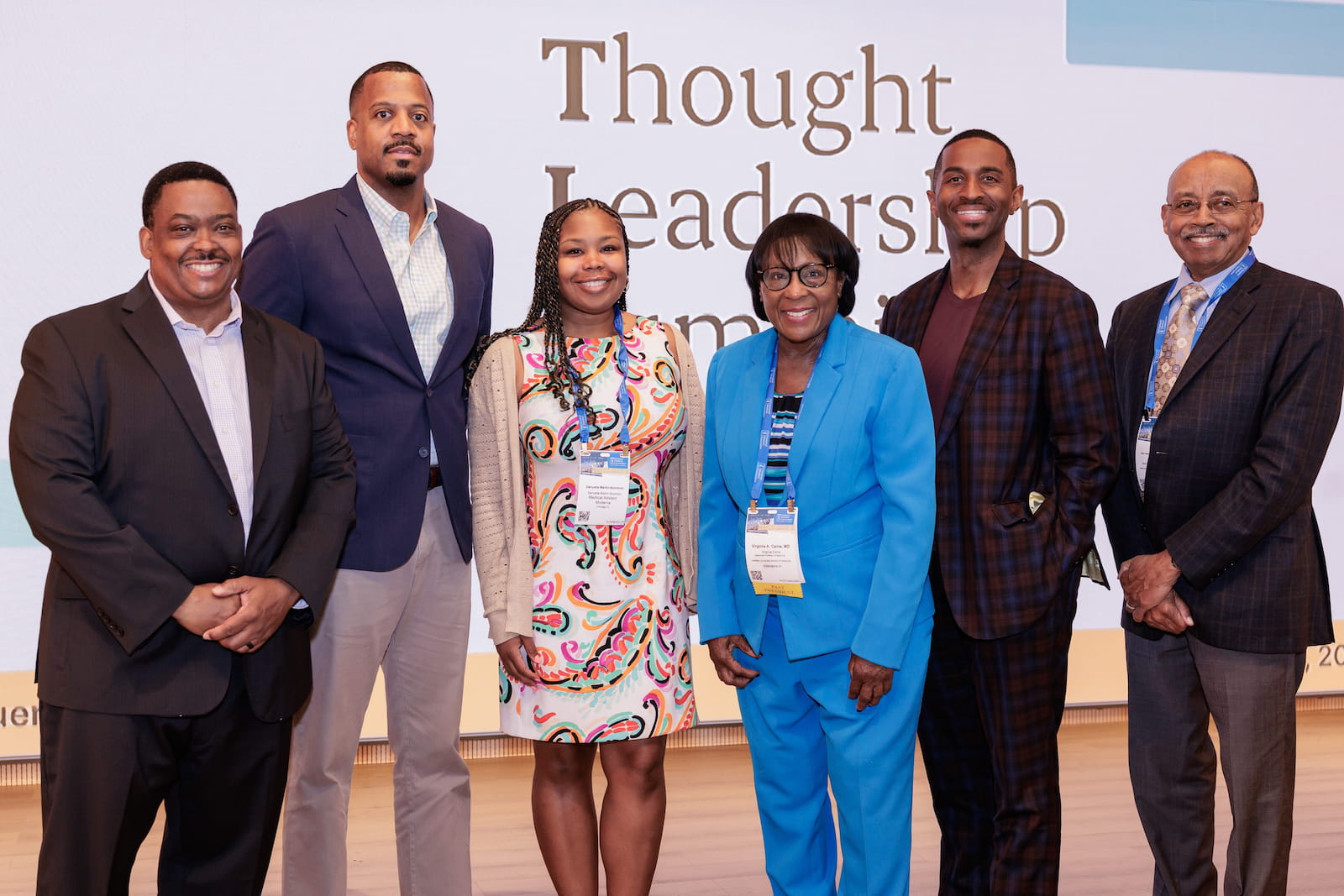
For the next generation of healthcare leaders, Caine and Hewlett encouraged them to become advocates and lifelong learners.
“Start advocating early,” Dr. Caine urged attendees, encouraging them to use their voices among their peers, colleagues, friends and families.
For the healthcare leaders gathered at the summit, the message was clear: advancing vaccine confidence will require more than scientific information. It will require trust, cultural understanding, community partnership and a commitment to listening.


By subscribing, you consent to receive emails from BlackDoctor.com. You may unsubscribe at any time. Privacy Policy & Terms of Service.