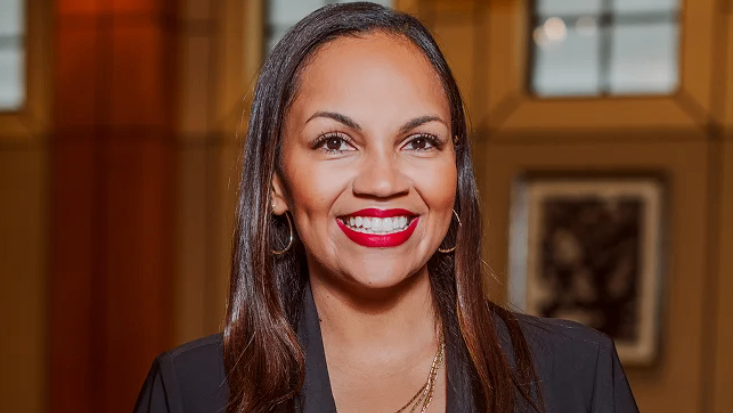
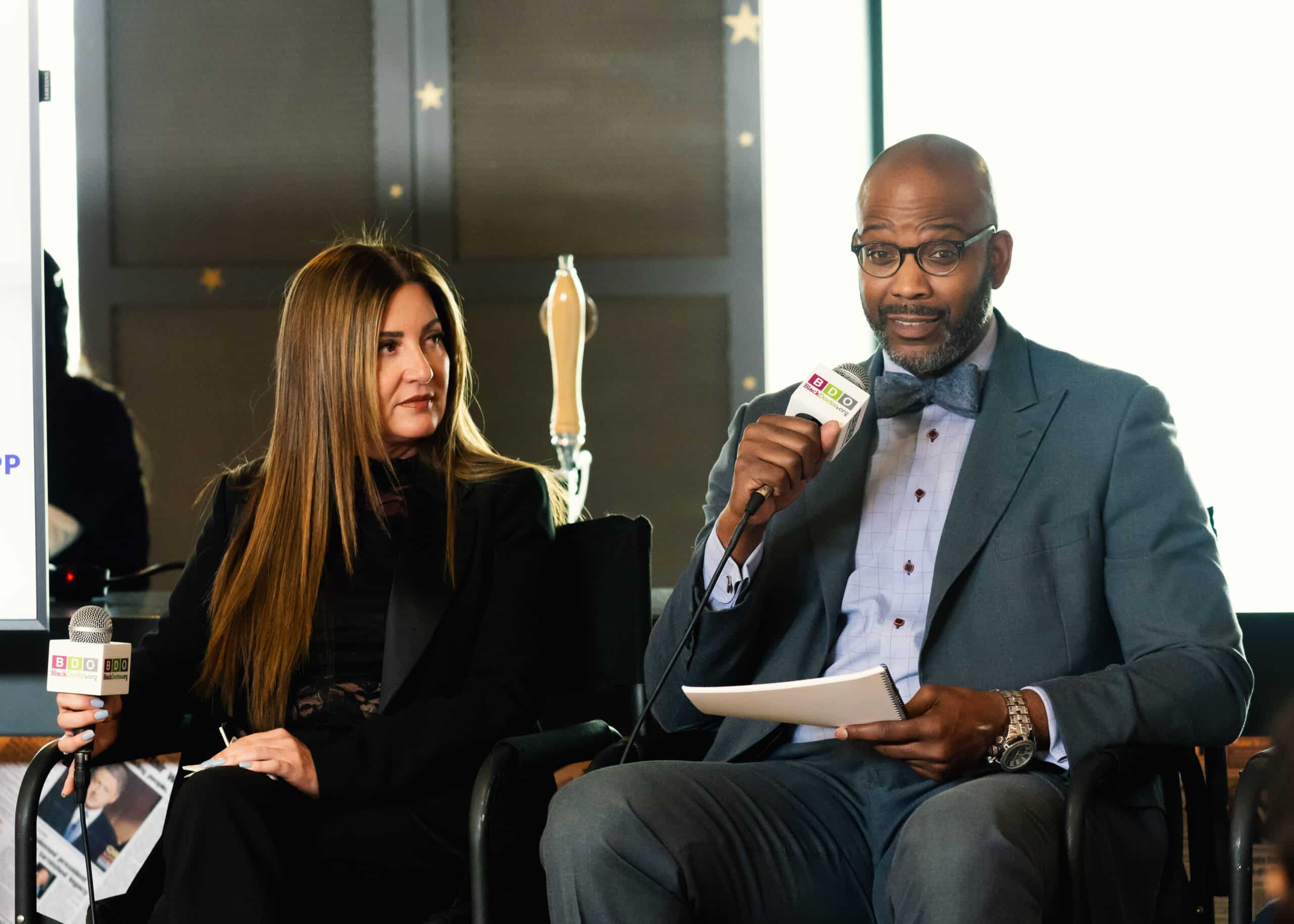
Access to healthcare should be universal, yet systemic barriers continue to disproportionately affect Black, disabled, and low-income communities. At BlackDoctor.org’s second annual “State of Black Health: What Now Black Health” Summit, Andrea Jennings, producer and accessibility strategist for Lights, Camera, Access!, moderated a powerful discussion on health disparities, AI-driven accessibility, and policy-driven solutions.
Hosted in collaboration with USA TODAY, the “Disability, Access to Care” panel addressed healthcare inequities in chronic illness, the future of AI in accessibility, and the urgent need for diverse leadership in decision-making.
Lupus disproportionately affects Black women, yet many experience delays in diagnosis and struggle to access specialists.
Donna Finale emphasized the critical barriers in lupus care:
“It’s rare to be in a room where no one knows someone who has lived with or lost their life to lupus. It’s often misdiagnosed—or not diagnosed at all.”
“It’s also a leading cause of death for young Black women. But what’s heartbreaking is that real change is possible.”
“Even in cities like New York, the average wait time for a rheumatologist can be eight to 12 months. That’s unacceptable.”
2. Improving Clinical Trial Participation
“We hear from Black patients all the time: ‘I’ve never been offered a clinical trial.’ That has to change.”
3. Policy Reform for Disability Designation
“Lupus patients must wait up to 24 months to receive a disability designation. That’s two years without coverage for care, medication, or services.”
4. Community Collaboration
“Doctors must partner with advocacy groups and hospital administrators to provide better resources and care.”
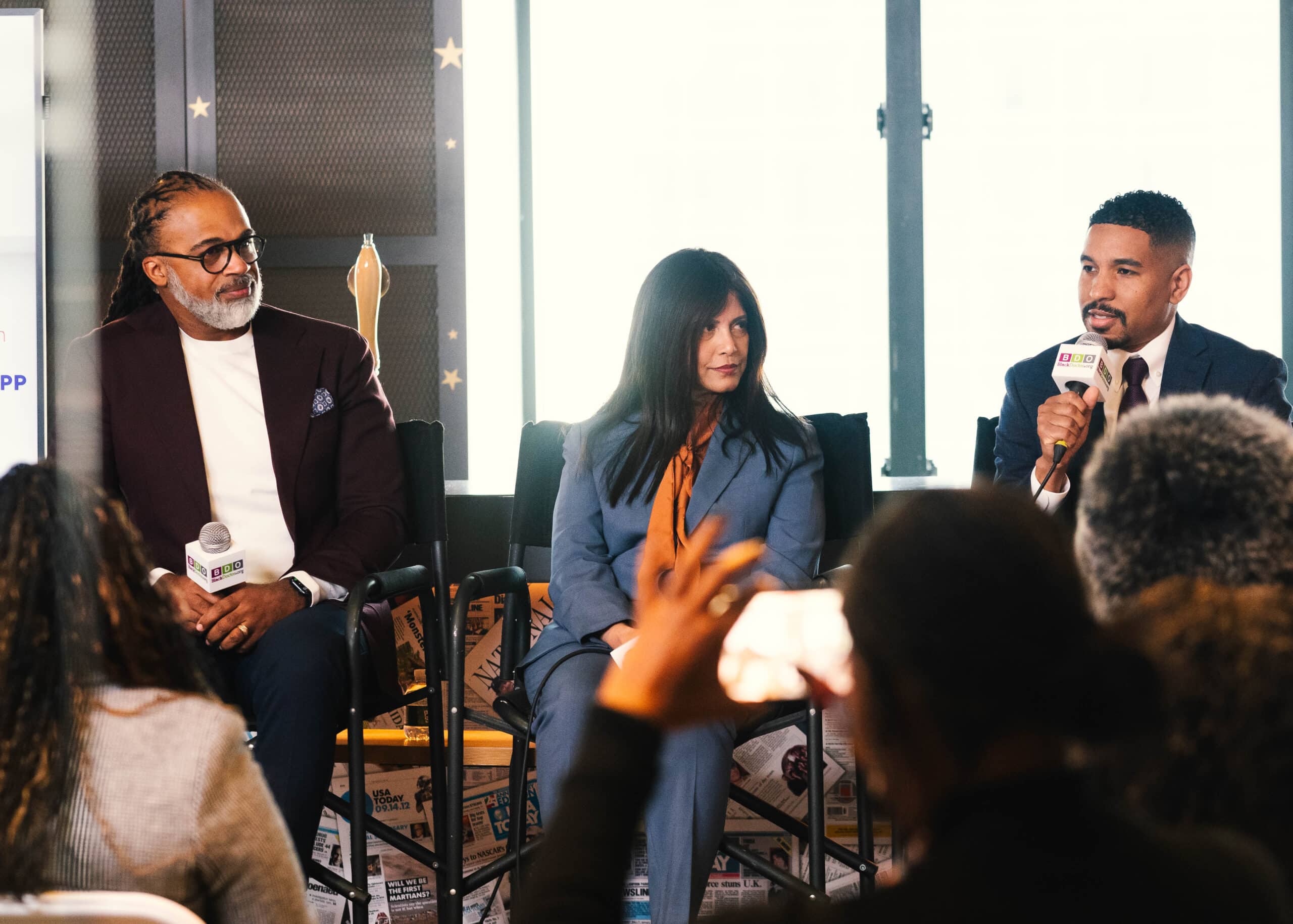
Dementia and Alzheimer’s disproportionately affect Black and Latino families, yet awareness and resources are lacking.
Dr. Herb Caldwell shared his personal experience:
“My mother was a 60+ year-old Black woman. That made her a ‘triple threat’ for Alzheimer’s risk. But no one in our community was talking about it.”
He also emphasized the power of storytelling to educate and reduce stigma:
“One of the worst things for dementia patients and caregivers is to face it in isolation. We need to support each other,” he said.
As healthcare goes digital, who gets left behind?
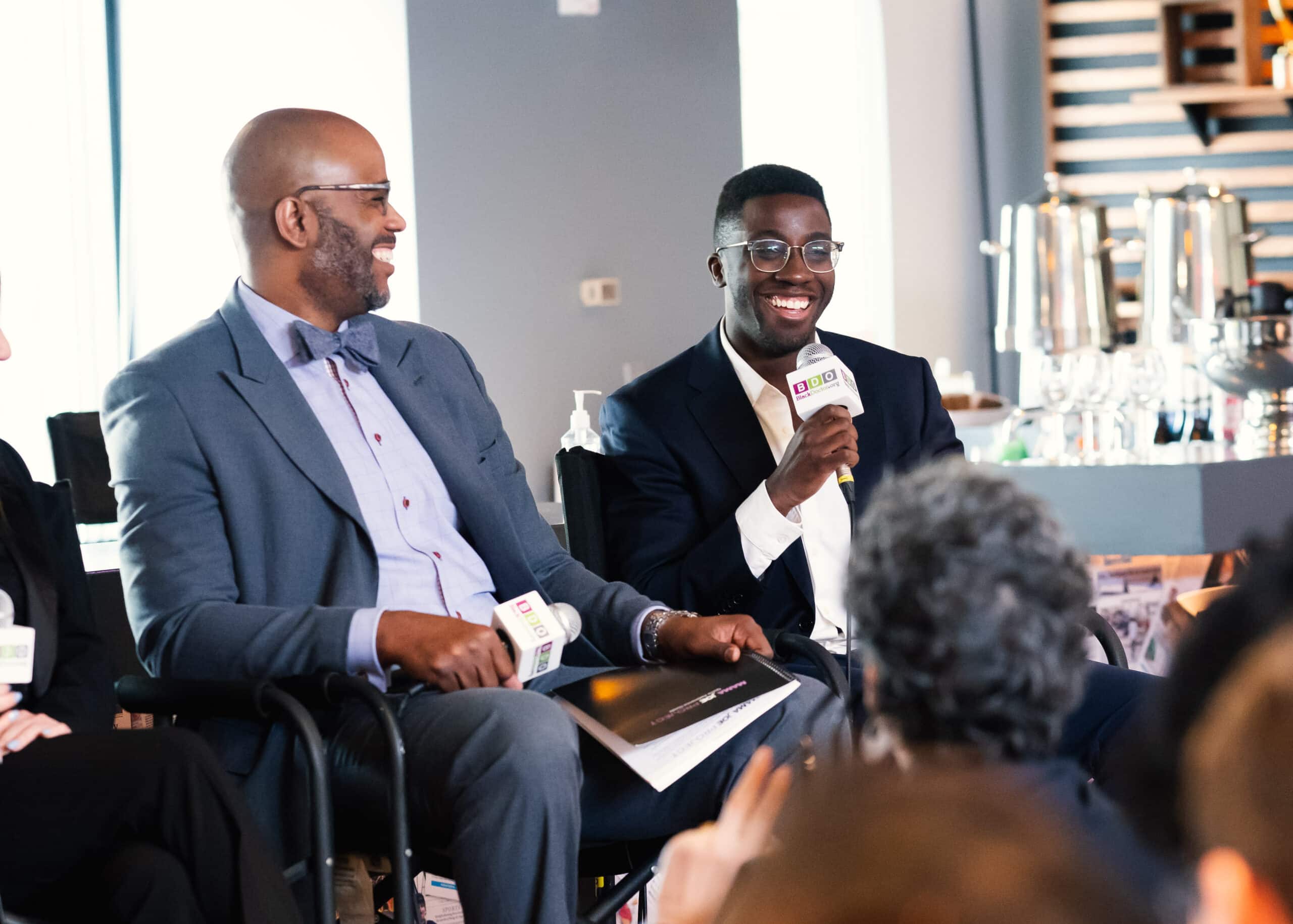
Michael Bervell founded TestParty, an AI startup that automates digital accessibility fixes for websites.
“If a patient can’t read, navigate, or schedule an appointment online, they are effectively locked out of the healthcare system,” he said.
“Ninety-seven percent of the internet is not accessible. AI like ChatGPT learns from flawed data, which leads to inaccurate and biased medical information—especially for Black and Brown patients.”
2. High Costs of Accessibility Compliance
“Audits for website accessibility cost up to $1.5 million, taking six months or more to complete. Our goal is to bring that cost down to $50,000, making it affordable for more institutions.”
3. Lack of Disabled Leadership in Tech & Healthcare
“‘Nothing about us, without us.’ If your board, leadership, or design teams don’t include disabled voices, you’re missing the mark.”
Doctors & Hospitals:
Pharma & AI Leaders:
Policymakers & Advocates:
Donna Finale:
“True healthcare equity requires collaboration. Every stakeholder plays a role in creating barriers—and in breaking them down.”
Dr. Herb Caldwell:
“Dementia caregiving shouldn’t happen in silence or shame. We must connect, educate, and support one another.”
Michael Bervell:
“AI will shape the future of healthcare—but only if we build it for everyone.”
Andrea Jennings (Moderator):
“Health equity is intersectional. Race, disability, gender, and socio-economic factors all play a role. If we’re not designing healthcare for everyone, we’re failing.”
The message was clear: True accessibility means ensuring that healthcare—whether in-person or digital—is designed for ALL.
Support inclusive healthcare & accessibility initiatives:
Because healthcare isn’t just about medicine—it’s about access.


By subscribing, you consent to receive emails from BlackDoctor.com. You may unsubscribe at any time. Privacy Policy & Terms of Service.