Let’s take a deep breath and talk about something that hits close to home for many of us, especially in the Black community: Sickle Cell Disease.
If you or someone you love lives with sickle cell, you already know the story. The ER visits. The unpredictable pain. The fatigue that doesn’t go away. The fear of strokes, infections, and organ damage. And too often, the feeling of being dismissed or misunderstood in a healthcare system that wasn’t built with us in mind.
But here’s what you may not have heard enough: there is hope — and it’s growing. In recent years, scientists, doctors, and patient advocates have been breaking ground on treatments that aren’t just managing symptoms, but aiming to transform lives.
For decades, treatment options for sickle cell were limited to blood transfusions, hydroxyurea, and symptom management. These helped, but they weren’t a cure. Now, for the first time, gene therapy offers something radically different: a potential one-time treatment that targets the disease at its root.
In late 2023, the FDA approved Exa-cel, the first-ever CRISPR-based gene therapy for sickle cell disease. This treatment involves taking your own stem cells, editing them with CRISPR technology to fix the gene responsible for sickle-shaped red blood cells, and putting those edited cells back into your body.
In clinical trials, over 90 percent of patients had no more severe pain crises after the therapy.
Also recently approved, Lovo-cel works differently than CRISPR but with similar outcomes, giving the body a new gene that helps produce normal hemoglobin instead of sickled cells.
These treatments are still new, but they’ve already changed lives. And while they come with serious risks and aren’t for everyone, the progress is undeniable.
We must be honest here — gene therapy is not a quick fix. It’s complex, intense, and not without side effects. Here’s a look at what you’ll want to consider if you or a loved one is thinking about it:
Still, the chance at a life without constant pain is worth it for many. But that decision is deeply personal — and should always be made with a trusted medical team who listens to your needs and understands your values.
RELATED: How Does Gene Therapy for Sickle Cell Work? 5 Things You Need to Know
Gene therapy isn’t for everyone. But knowing your options is the first step toward empowerment.
Here’s how to get started:
Ask if they’re familiar with Exa-cel or Lovo-cel and if you qualify. Generally, patients who experience frequent pain crises or organ damage are prioritized.
Use this link to find one near you:
ClinicalTrials.gov – Sickle Cell Gene Therapy Trials
Gene therapy isn’t safe for everyone, especially those with certain organ damage or infections. Your doctor can help assess your candidacy.
Many have questions about how they’ll afford it, who will care for them after treatment, or what happens if it doesn’t work. These are real concerns — and you’re not alone in them.
RELATED: I Tried Gene Therapy—and Haven’t Needed a Blood Transfusion Since!

Let’s pause for a second and hear from the people who are actually living this journey. Because it’s one thing to read stats. It’s another to see real lives transformed.
I can see myself living in to my 80s and 90s now. I can imagine the life; I’ll have for myself the life. I’ve built for myself And my future family and I’m incredibly excited for it.”
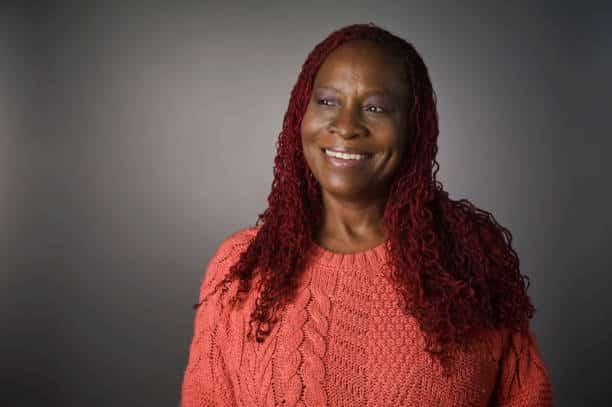
Victoria Gray, 39, Nashville, TN
She experienced her first sickle cell crisis at three months old. An emergency room visit led to an unexpected sickle cell disease (SCD) diagnosis. Doctors gave her mother a grim prognosis—a life expectancy of up to seven years.
“My mother initially thought I was inconsolable because my shoulder dislocated during my birth. But after the testing and the doctor’s report, she thought I was going to die,” Gray said. “Coming from a family of faith, my grandmother encouraged her to trust God. I took on that mentality throughout my entire life.” Marcus, 34, New Orleans, LA
Everyone’s story is different — and valid. But what unites them is the search for something better. And that search is powerful.
This is one of the biggest questions people have: How do I pay for this? And it’s a fair question. The total cost of gene therapy can reach two million or more. But there’s help, and you deserve access to it.
Support Programs and Organizations:
You don’t have to navigate this alone. Social workers, advocates, and community health leaders want to walk with you every step of the way.
RELATED: Beyond the Pain: 4 Unseen Obstacles Sickle Cell Warriors Face Every Day
Let’s be honest. Sickle cell has been overlooked for far too long. For decades, it got less funding, less attention, and fewer treatment options — although it affects millions, especially Black families across the diaspora.
But that’s changing. Because people spoke up. Because researchers pushed forward. Because patients refused to be forgotten.
You deserve to live without constant pain. You deserve a future where you can work, travel, dance, and fall in love — without fear.
Gene therapy isn’t a cure for everyone. But it’s a light in a space that’s been dark for far too long.


By subscribing, you consent to receive emails from BlackDoctor.com. You may unsubscribe at any time. Privacy Policy & Terms of Service.