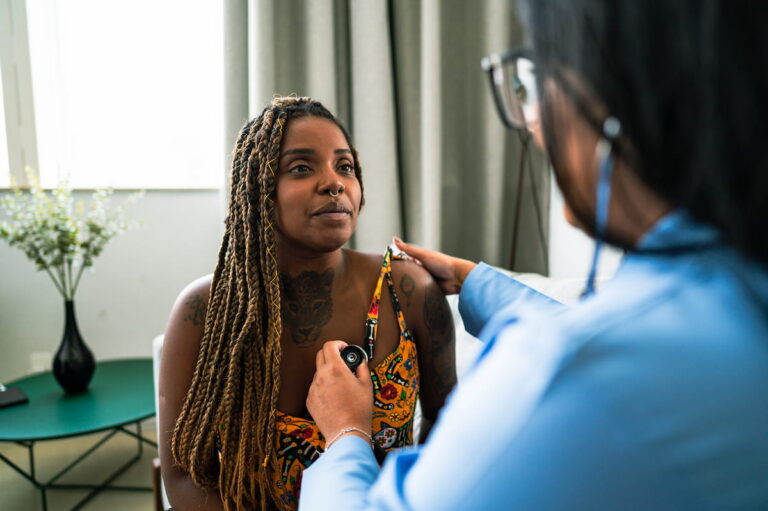
Dealing with eczema on your breasts can be uncomfortable and frustrating, especially when it affects your daily life. If you have melanated skin, you may have specific concerns about how to manage this condition effectively. Here are some tips to help you understand and manage breast eczema better.
Breast eczema, also known as nipple eczema or areola eczema, is a type of eczema that affects the skin around the breasts. It can cause itching, redness, and irritation, making it uncomfortable and sometimes painful.
In darker skin tones, eczema may appear as patches of darker or lighter skin, which can be mistaken for other skin conditions. It’s essential to seek a proper diagnosis from a healthcare provider familiar with the nuances of eczema in darker skin tones.
The exact cause of breast eczema is unknown, but it is believed to be related to a combination of genetic and environmental factors. Common triggers include irritants like soaps, perfumes, and harsh fabrics, as well as allergies to certain foods or substances. Breast eczema may also be triggered or exacerbated by factors such as dry air, cold weather, and certain skincare products that contain harsh chemicals or fragrances.
Symptoms of breast eczema can vary from person to person but often include itching, redness, inflammation, dryness, flakiness, cracking, or oozing of the skin.
In melanated skin, eczema may appear ashy or grayish, and the affected areas may be more prone to hyperpigmentation or darkening. It’s important to note that eczema can affect any part of the body, including the breasts, and may present differently in individuals with darker skin tones.
RELATED: How To Deal With Your Eczema & Post-Inflammatory Hyperpigmentation
Treatment for breast eczema typically involves a combination of self-care measures and medical treatments. It’s crucial to use gentle, fragrance-free moisturizers and cleansers to avoid further irritation. Topical corticosteroids may be prescribed by a healthcare provider to reduce inflammation and itching.
Additionally, emollients containing ceramides or hyaluronic acid can help repair the skin barrier and improve moisture retention, which is especially beneficial for melanated skin, which is prone to dryness.
While you may not be able to prevent breast eczema entirely, you can reduce your risk of flare-ups by
avoiding known triggers and practicing good skin care.
It’s essential to moisturize regularly with products designed for darker skin tones, as these formulations may provide better hydration and barrier repair. Using mild, non-irritating cleansers and avoiding prolonged exposure to hot water can also help prevent eczema flare-ups.
Paget’s disease of the breast is a rare form of breast cancer that can resemble eczema. It often presents with similar symptoms, such as redness and itching. However, Paget’s disease typically affects the nipple and areola and may be accompanied by other symptoms, such as nipple discharge or a lump in the breast.
It’s important to consult with a healthcare provider who is familiar with the presentation of both conditions to ensure an accurate diagnosis and appropriate treatment plan.
Managing breast eczema in melanated skin requires a personalized approach that considers the unique characteristics of darker skin tones. By understanding your triggers, practicing good skincare, and seeking medical treatment when needed, you can effectively manage your symptoms and improve your quality of life.
Remember to be patient and persistent in finding the right treatment plan for you, and don’t hesitate to seek help from a healthcare provider who understands the complexities of eczema in Black skin.


By subscribing, you consent to receive emails from BlackDoctor.com. You may unsubscribe at any time. Privacy Policy & Terms of Service.