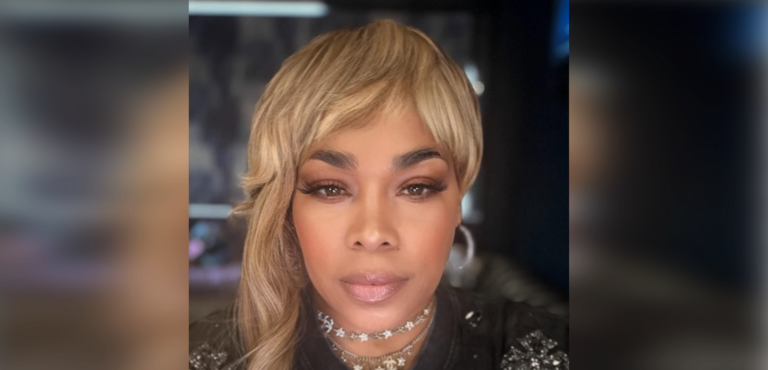
About 1 in 8 women (13 percent) in the United States will develop breast cancer in their lifetime. Black women, in particular, are more likely to die from breast cancer than any other race or ethnic group. Several factors contribute to this disparity, including being diagnosed at advanced stages, healthcare inequities, differences in tumor biology, underlying health conditions (e.g., obesity, diabetes), and lower rates of participation in clinical trials.
New treatments for breast cancer are vital for Black women, allowing them and their healthcare team to explore other therapies that may have fewer adverse side effects and lead to better survival outcomes.
A new approach to treating metastatic breast cancer may allow some patients to avoid chemotherapy, at least initially.
In a small early-stage trial recently published in the Journal of the National Cancer Institute, researchers tested four chemo-free targeted therapies in 29 patients with HR-positive, HER2-positive metastatic breast cancer.
The regimen combines hormone therapy with medicines (anastrozole, palbociclib, trastuzumab and pertuzumab) that target two key pathways that drive tumor growth.
During the first six months, 97 percent of participants experienced clinical benefit, according to the results.
Patients went a median of nearly 25 months before their cancer progressed. That means half progressed sooner, half later.
And after about 39 months of follow-up, nearly 93 percent of patients were still alive.
Researchers said several women have had long-lasting responses, including one who has remained on the therapy for more than six years.
This medication combo is given primarily through pills and injections under the skin, potentially making treatment easier for patients and avoiding some of the drawbacks of chemotherapy.
RELATED: The Importance of Breast Cancer Clinical Trials
“Although these findings need to be confirmed in larger randomized clinical trials, they suggest that some patients may eventually have an effective alternative to chemotherapy as their first treatment,” senior author Dr. Amy Tiersten said. She’s clinical director of Breast Medical Oncology at the Icahn School of Medicine at Mount Sinai in New York City.

Clinical trials help determine whether new treatments are safe and effective, but the findings are strongest when study participants reflect the diverse populations who may eventually receive the treatment. With this in mind, it’s especially important for Black women to consider participating in breast cancer clinical trials. Treatments can work differently across patient populations, and factors such as age, tumor subtype, genetics, and other health conditions may affect outcomes.
RELATED: Why Black People Are Underrepresented in Clinical Trials
This treatment approach may only apply to patients with specific types or characteristics of metastatic breast cancer. That being said, not every patient will meet the eligibility criteria to receive the treatment. Additionally, a patient’s treatment plan is heavily individualized, with considerations for breast cancer subtype, biomarkers, previous treatments, overall health, and other individual factors.
If you’re interested in this treatment, ask your oncologist whether you’re eligible, whether it’s available outside a clinical trial, and whether clinical trials may be appropriate.
More information
The Breast Cancer Research Foundation has more on metastatic breast cancer.
SOURCE: HealthDay TV, Aug. 25, 2026


By subscribing, you consent to receive emails from BlackDoctor.com. You may unsubscribe at any time. Privacy Policy & Terms of Service.