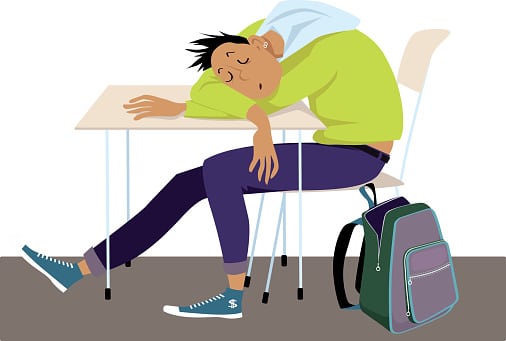
As a human being, there exist within you a variety of internal biological clocks that govern many processes in your body, including your circadian rhythms.
“To sleep, perchance to dream,” was once uttered by Shakespeare’s indelible character Hamlet, during perhaps the most famous soliloquy in the English language. We need to sleep (and dream) for optimal health, and circadian rhythms are key to getting sleep on a regular basis.
The National Institutes of Health (NIH) describe circadian rhythms thus:
“Circadian rhythms are physical, mental and behavioral changes that follow a daily cycle. They respond primarily to light and darkness in an organism’s environment. Sleeping at night and being awake during the day is an example of a light-related circadian rhythm. Circadian rhythms are found in most living things, including animals, plants and many tiny microbes. The study of circadian rhythms is called chronobiology.”
The biological “clocks” in your body are specific proteins with special purposes, and they can be found in most any tissue or organ. In essence, these proteins are the “clocks” that produce your circadian rhythms.
Circadian rhythms run on natural 24-hour cycles, and the circadian rhythm most of us think of would be the sleep-wake cycle, “a specific biological pattern of alternating sleep and wakefulness, in humans roughly eight hours of nocturnal sleep, and 16 hours of daytime activity.”
The Sleep Foundation encapsulates the sleep-wake cycle…
and sleep-related circadian rhythm clearly:
“During the day, light exposure causes the master clock to send signals that generate alertness, and help keep us awake and active. As night falls, the master clock initiates the production of melatonin, a hormone that promotes sleep, and then keeps transmitting signals that help us stay asleep through the night.
“In this way, our circadian rhythm aligns our sleep and wakefulness with day and night to create a stable cycle of restorative rest that enables increased daytime activity.”
There are myriad ways to disturb the circadian rhythm sleep-wake cycle:
The consequences of disturbed circadian sleep rhythms may sound familiar:
The NIH warns consumers about the potential dire…
consequences of altered circadian rhythms:
“Biological clocks that run fast or slow can result in disrupted or abnormal circadian rhythms. Irregular rhythms have been linked to various chronic health conditions, such as sleep disorders, obesity, diabetes, depression, bipolar disorder and seasonal affective disorder.”
While some disturbances are unavoidable (e.g.: blindness or brain injury), some may be avoided with lifestyle changes such as regular sleep habits, improved sleep hygiene, avoiding alcohol and caffeine (especially in the evening) and employment that provides normal daytime work hours. Other strategies include:
As you can see, disturbances of your circadian rhythm and sleep-wake cycle can have far-reaching physiological and psychological effects, thus it’s important to pay attention to the quality of your sleep, make possible lifestyle changes and then seek help from a qualified sleep professional who can assist you in improving your sleep in the interest of your overall health and well-being.
Hamlet was right, “To sleep, perchance to dream” is a common human yearning that we all must respect and cater to for the best quality of life and health possible.


By subscribing, you consent to receive emails from BlackDoctor.com. You may unsubscribe at any time. Privacy Policy & Terms of Service.