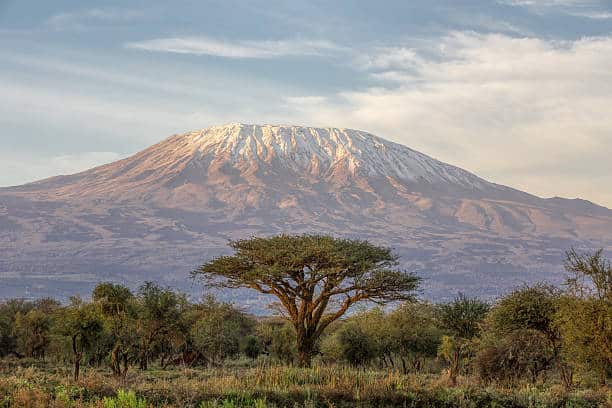
In a unique initiative to raise awareness and funds for sickle cell disease, a group of passionate advocates and healthcare professionals are gearing up to hike Mount Kilimanjaro. This ambitious endeavor aims to spotlight the urgent need for better healthcare and resources for sickle cell patients in Africa and the United States. The hike is more than just a physical challenge; it’s a symbolic journey that represents the uphill battle faced by millions of individuals suffering from sickle cell disease globally.
The idea for the hike, which takes place September 11-17, originated from Dr. Alan Anderson, a pediatric hematologist/oncologist, who has dedicated his career to supporting sickle cell warriors in the United States and Africa.
“The outcomes for many individuals in Africa are terrible—over 80 percent die before the age of five in many countries. This is because people simply don’t get diagnosed, and they don’t receive very basic treatment like antibiotics and vaccinations,” Dr. Ted Love, a long-time friend of Dr. Anderson, seasoned cardiologist and former CEO of Global Blood Therapeutics (GBT) tells BlackDoctor.org.
This heartbreaking reality, along with his personal experiences and observations as a young African American medical student, motivated Dr. Love to take up this cause.
Joining Dr. Love and Dr. Anderson in this effort is Luke Timmerman, another friend of Dr. Love, who has led several successful fundraisers in biotechnology and healthcare. Together, they aim to raise one million to support early diagnosis and basic treatment for sickle cell disease in Africa.
“This could significantly extend survival rates beyond five years old, which are currently below 20 percent in many countries,” Dr. Love says regarding the alarming rates in Africa.
Additionally, Dr. Love and his wife have pledged to match this amount with another one million dedicated to sickle cell care in the U.S.
RELATED: Why Black Sickle Cell Patients Deserve More: Q&A with Dr. Ted Love
For Dr. Love, this hike is not just another charitable event—it’s deeply personal. Reflecting on his early medical training, he recalls the stark contrast between the care provided to cystic fibrosis patients, predominantly white and from wealthier backgrounds, and sickle cell patients, often African American and economically disadvantaged.
“If a patient came to the hospital with sickle cell disease, the first thing they encountered was an environment that was skeptical about whether they were faking their pain to get narcotics. Many of those patients had been through this over and over again. Some even put on their best clothes to try to prevent the discrimination they typically faced,” Dr. Love shares.
This firsthand experience of systemic racism and inadequate care for sickle cell patients has been a driving force behind his dedication to improving healthcare outcomes for these individuals.
“After having a successful career in biotechnology focused on cancer, heart disease, and other areas, I got a call from a venture group about starting a company focused on sickle cell. The first thing that came to my mind was what I remembered from medical school and residency. When I looked at the science behind what the company was proposing, I thought it was compelling. More importantly, I thought the mission to help sickle cell patients was probably the most compelling thing I could ever do in my life. So I committed to it, deciding to focus on something transformative for sickle cell patients at the end of my career. Sickle cell isn’t something that runs in my family, but I consider my family to be anyone in this world suffering from an egregious medical problem that I can help with,” Dr. Love adds.
The choice of Mount Kilimanjaro as the site for this hike is symbolic. Located in Africa, the continent most affected by sickle cell disease, Kilimanjaro represents the challenge and the journey towards better healthcare and awareness. September, designated as Sickle Cell Awareness Month, was chosen for the hike to amplify awareness efforts. Additionally, the weather conditions during this time make it an ideal period for climbing the mountain.
The fundraising model for the hike is straightforward but challenging. Each participant commits to raising $50,000, aiming for a total of one million. “This is a significant amount, especially for a cause that has historically been underfunded,” Dr. Love acknowledges. Despite the initial doubts, the campaign has already surpassed its initial goal, thanks to the support of individuals and corporate donors such as Vertex Pharmaceuticals and Bluebird Bio.
The funds raised will be split evenly between efforts in Africa and the United States. In Africa, the “Let’s Go Forward” program will utilize the money to provide early diagnosis and basic treatment at clinics supported by Dr. Anderson. In the U.S., the University of Alabama in Birmingham will receive funds to enhance its sickle cell program, which serves patients across the state of Alabama.
As the group prepares for the physical and emotional challenges of the hike, Dr. Love hopes this initiative will serve as a catalyst for more consistent and sustained efforts in the fight against sickle cell disease.
“There has never been an effort in the sickle cell community that has raised this amount of money before,” Dr. Love notes. He envisions this hike as the beginning of a new legacy—one that encourages ongoing fundraising and advocacy efforts to support sickle cell research and healthcare.
Dr. Love’s commitment to this cause is unwavering, even as a 65-year-old retiree. He continues to support various initiatives and companies working towards better sickle cell care and encourages others to take up the mantle. “What I’d really like to do is be an inspiration for other people to do more of this work,” he shares. “There’s so much potential for progress, and I believe this hike can set a new precedent for how we approach funding and awareness for sickle cell disease.”
If you are interested in supporting this cause, donations can be made through the Timmerman Traverse website, where participants share their personal stories and motivations for joining the hike. Every contribution, no matter the size, brings us one step closer to better healthcare and improved quality of life for sickle cell patients worldwide.


By subscribing, you consent to receive emails from BlackDoctor.com. You may unsubscribe at any time. Privacy Policy & Terms of Service.