BlackDoctor.org gathered a powerful panel of survivors, advocates, clinicians, and pharma leaders in Washington, D.C. for a candid discussion about the urgent crisis of breast cancer in Black women. Moderated by Ricki Fairley, CEO of TOUCH, The Black Breast Cancer Alliance, the panel pulled no punches in exposing the statistics, biases, and systemic barriers that continue to fuel inequities—and offered pathways toward solutions rooted in advocacy, accountability, and love.
Fairley opened with sobering facts: Black women have a 41% higher mortality rate, a 39% higher recurrence rate, and are three times more likely to be diagnosed with triple-negative breast cancer than white women. Even more alarming: Black women under 35 are diagnosed at twice the rate of white women and die at three times the rate—well before routine screening begins at 40. “Black breast cancer is a thing,” Fairley stressed. “And until more Black women are included in science and clinical trials, these devastating numbers will persist.”
Panelists shared deeply personal stories:
Latoya Bolds-Johnson, a 36-year-old physician assistant and mother of three, described being dismissed by doctors and misdiagnosed before finally learning—via a text message—that she had stage 3 triple-negative breast cancer. She had to fire her oncologist after being denied access to the latest treatment, Keytruda, and clinical trials. “Cancer doesn’t care about your credentials or your zip code,” she said. “You must advocate for yourself—your doctor works for you.”
Laura Crandon, founder of Touch for Life and a metastatic breast cancer thriver, highlighted the importance of genetic and genomic testing in precision medicine. Only 20% of Black women are referred for this type of testing, she noted. “Without our data, treatments are blunt instruments instead of precise tools. We need to be represented in the science that drives innovation.”
Sloan Cargill, representing young Black women without a diagnosis but at risk, spoke about the difficulty of translating awareness into action. “Making time for screenings, finding doctors who listen, and advocating as a young Black woman—it takes persistence,” she said.
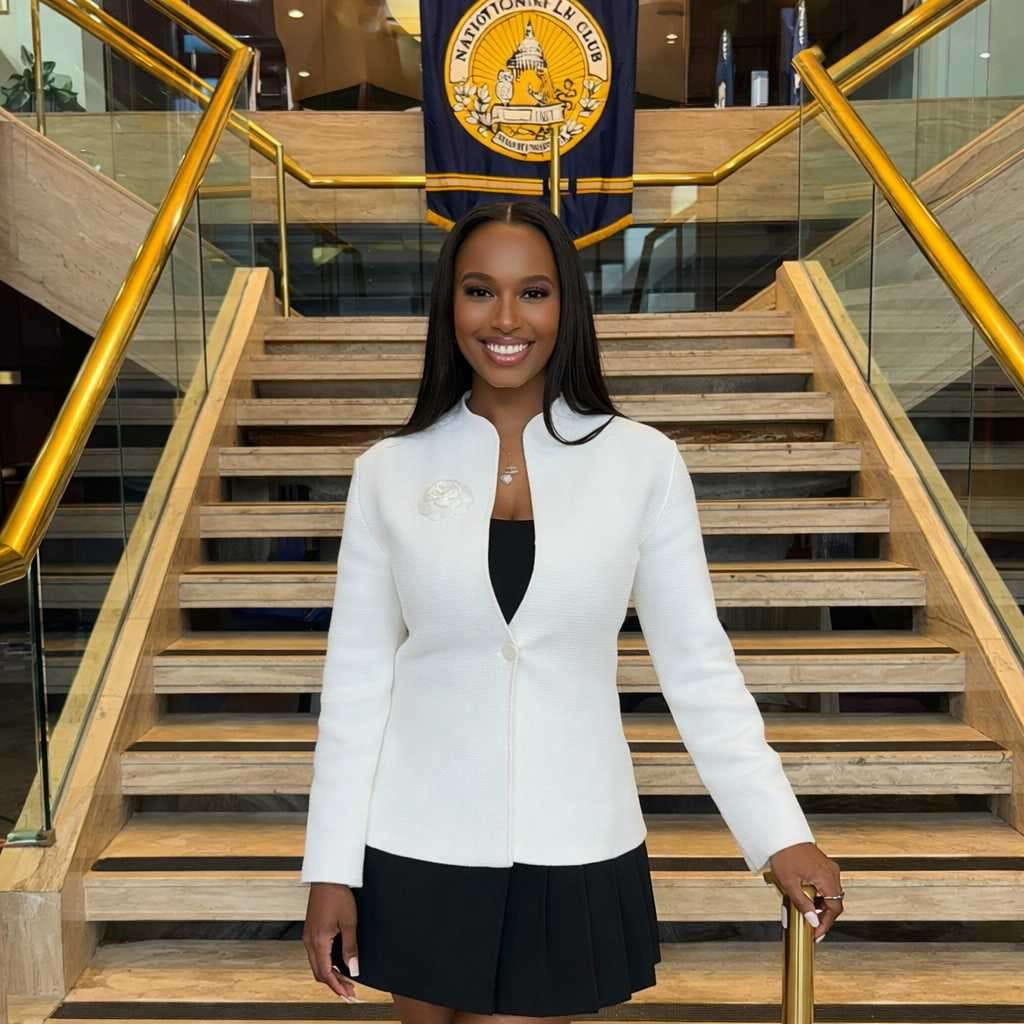
Hailey Brown, Fairley’s daughter and Director of Partnerships at TOUCH, emphasized the importance of starting conversations early. Through the “For the Love of My Girls” campaign, she equips women 18–35 to learn their family health histories and practice self-advocacy. “Mammogram guidelines don’t align with our reality. We have to educate ourselves and each other now—not wait until 40.”
Reshema Kemps-Polanco (Novartis) and Sheri Humphrey (Merck) offered the industry perspective, acknowledging both the barriers and opportunities to change outcomes. They underscored the need for:
Intentional diversity in clinical trials
Trust-building with communities that have been historically excluded
Plain-language communication that demystifies science for patients
“Diversity in trials can’t live in the charitable space anymore,” said Kemps-Polanco. “There must be accountability, with real consequences for not achieving equity.”
Panelists agreed that progress will come through multi-level partnerships—from HBCUs and faith-based groups to community clinics and pharma companies. Programs like TOUCH’s HBCU internship initiative are already empowering the next generation of health leaders.
The conversation ended on a unifying call: to create a sense of urgency around clinical trial participation, much like the AIDS crisis of the 1980s, when trials were the only lifeline. “Clinical trials are not the last resort—they are the best science we have,” Fairley said. “And Black women deserve that science.”
From Washington, D.C., the message was clear: the time is now. Black women must be centered in research, policy, and care delivery. Families must talk openly about their health histories. Providers must listen. Pharma must deliver. And communities must hold the system accountable.
As Fairley concluded: “We can’t wait. We have to show up everywhere, say it every way we can, and push until change happens. Because our lives—and our daughters’ lives—depend on it.”

By subscribing, you consent to receive emails from BlackDoctor.com. You may unsubscribe at any time. Privacy Policy & Terms of Service.