If you’ve been dealing with back pain, you’ve probably thought about your mattress, your office chair, or even your posture. Have you ever taken a moment to think about your shoes? The shoes you wear every day can have a bigger impact on your back than you might realize.
Your feet are the foundation of your body. When they aren’t properly supported, it can affect the way you stand, walk, and move. Over time, that extra strain can travel up through your ankles, knees, hips, and into your lower back, making pain worse. Experts from Cleveland Clinic say poor footwear can change your body’s alignment and increase stress on your spine, but the good news is that you don’t always need expensive treatments to find relief. Sometimes, switching to extra supportive shoes can make a noticeable difference.
Here’s what you should know about the connection between your footwear and back pain.
Every step you take sends force through your feet and up the rest of your body. When your shoes provide the right amount of support and cushioning, they help absorb some of that impact. But when they don’t, your muscles and joints have to work harder to keep your body balanced.
Over time, that extra stress can contribute to pain not only in your feet but also in your knees, hips, and lower back. Podiatrists often describe this as a “chain reaction” that begins at your feet and affects your entire body. That doesn’t mean shoes cause every case of back pain, since back pain can have many different causes, including arthritis, muscle strains, herniated discs, and other medical conditions. However, wearing supportive shoes may help reduce pain for many people, especially if poor foot support is part of the problem.
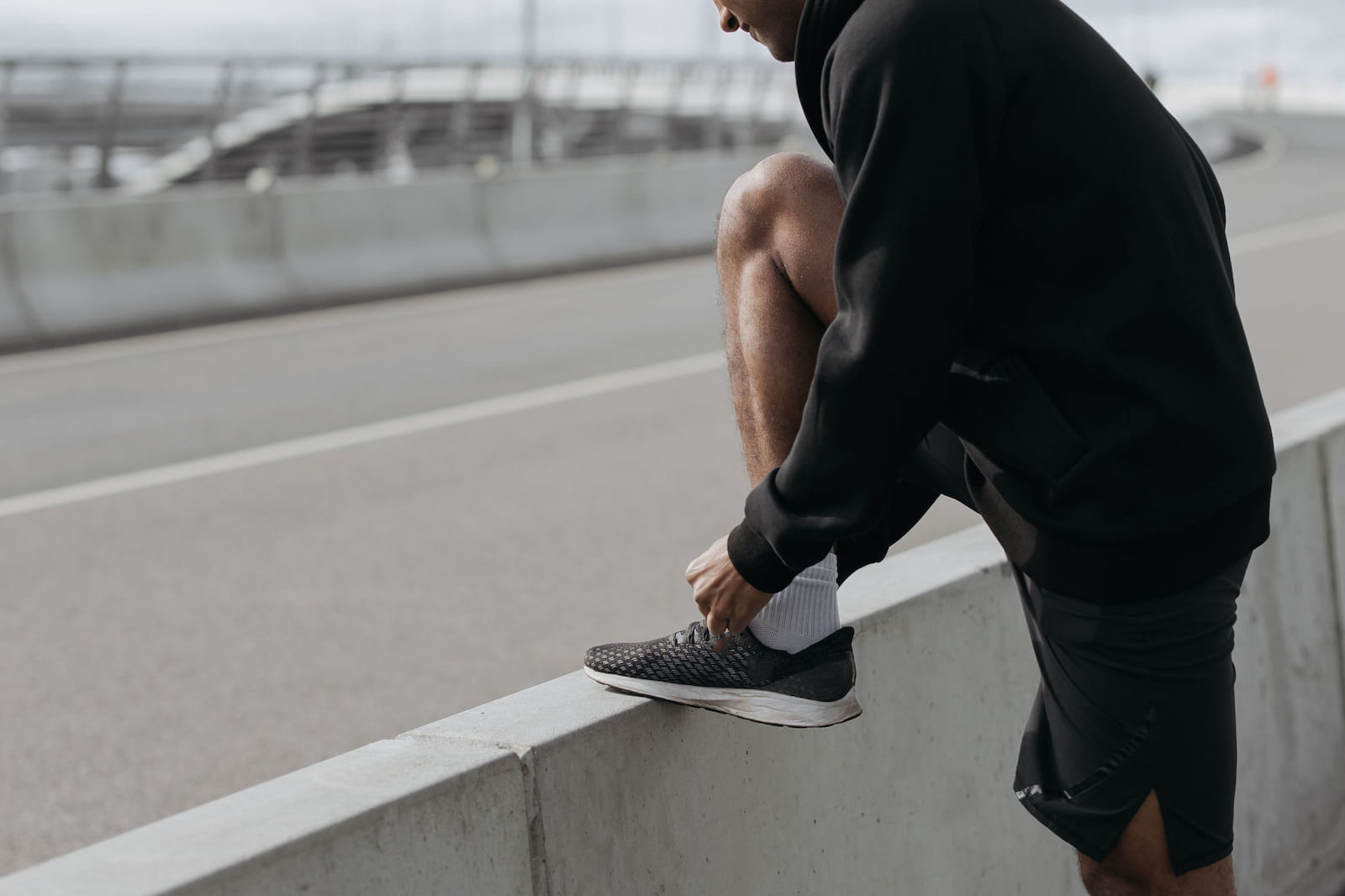
Sometimes it’s not just what shoes you wear—it’s how you wear them. Here are some common footwear habits that may be adding to your back pain.
Shoes don’t last forever. As they wear down, the cushioning becomes thinner, and the support begins to break down. Even if the outside still looks fine, the inside may no longer be doing its job.
If you’ve noticed uneven wear on the bottom of your shoes or they’re no longer as comfortable as they used to be, it may be time for a new pair. Worn-out shoes can increase the stress placed on your feet and back.
Many popular shoes are made to look stylish, but they don’t always give your feet the support they need. High heels, very flat shoes, flip-flops, thin ballet flats, and sandals without good support often have very little cushioning or arch support. Wearing these types of shoes for long periods can put extra pressure on your feet, legs, and lower back, which may make back pain worse.
That doesn’t mean you can never wear stylish shoes. Experts recommend saving them for shorter periods and choosing supportive footwear for everyday activities.
Your shoe size can change over time. Age, weight changes, pregnancy, and even normal wear on your feet can affect how shoes fit.
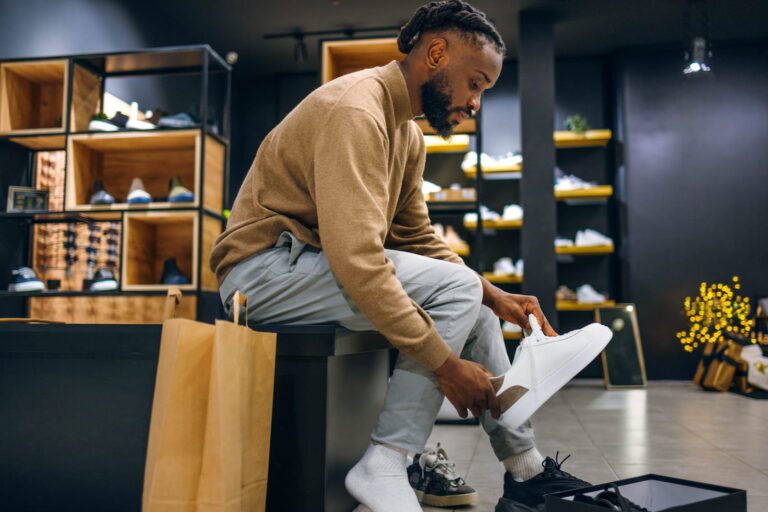
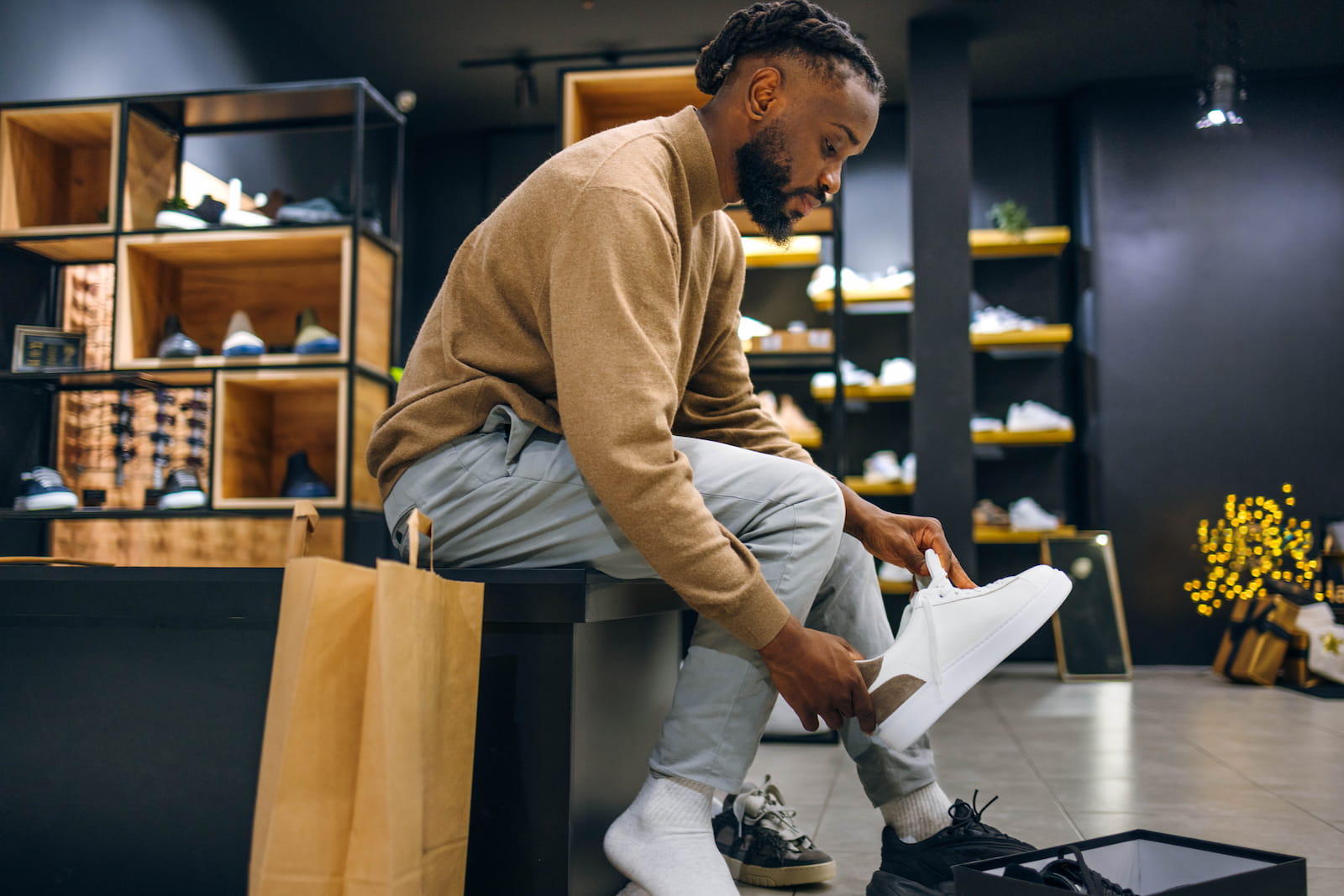
Shoes that are too tight, too loose, too narrow, or too wide can affect the way you walk, which may increase strain on your back. The Cleveland Clinic recommends getting your feet measured regularly and trying on shoes later in the day, when your feet are naturally a little larger.
RELATED: Choosing the Right Shoes for a Happy Back: The Best and Worst Picks!
When people ask medical professionals about the best shoes for back pain, the answer isn’t usually about a specific brand. Instead, they focus on features that provide good support. According to podiatrists and physical therapists, look for shoes with:
These features help keep your feet and body properly supported, which can reduce pressure on your joints and back. If you have flat feet, high arches, or another foot problem, your doctor or physical therapist may also recommend shoe inserts, called orthotics, to give your feet extra support. Some are custom-made, while others can be purchased at most pharmacies or shoe stores.
Many jobs require people to stand or walk for hours at a time. Teachers, nurses, warehouse workers, retail employees, restaurant staff, hairstylists, and factory workers often spend most of the day on their feet. If that’s you, your shoes become even more important.
Experts recommend choosing supportive athletic shoes or walking shoes designed for long periods of standing. Look for shoes with good cushioning and stability rather than thin soles or completely flat shoes.
It can also help to switch between two pairs of comfortable work shoes instead of wearing the same pair every day. This gives the cushioning inside each pair time to return to its normal shape. If you must wear dress shoes at work, supportive shoe inserts may make them more comfortable and reduce pressure on your feet and back.
Summer often brings a different set of footwear challenges. Flip-flops and flat sandals are popular because they’re lightweight and easy to wear. Unfortunately, they usually don’t provide enough support for people who already have back pain.
According to podiatrists, very flat sandals can increase strain on your feet and lower back because they offer little shock absorption or arch support. Loose-fitting flip-flops may also cause you to grip with your toes while walking, changing your natural walking pattern. If you enjoy wearing sandals, look for pairs that include:
Supportive sandals can be much more comfortable than traditional flip-flops while still keeping your feet cool during warm weather.
One mistake many people make is wearing one pair of shoes for everything. Different activities place different demands on your body. For example:
Using the wrong shoe for the activity may increase stress on your muscles and joints. For example, experts note that heavily cushioned running shoes aren’t always the best choice for weightlifting because they can reduce stability. Matching your shoes to your activity helps protect your entire body.
RELATED: Are your shoes FIT for your workout? – BlackDoctor – Where Culture Meets Care
It’s not always easy to tell whether your shoes are making your back pain worse. However, you may want to take a closer look at your footwear if you notice:
If any of this sounds familiar, replacing your shoes or trying a better supportive style may be worth discussing with your healthcare provider or physical therapist.
Although supportive shoes can help, they aren’t a cure for every type of back pain. Regular stretching, strengthening your core muscles, maintaining a healthy weight, practicing good posture, and staying physically active all play important roles in keeping your back healthy.
If your back pain is very severe, lasts longer than a few weeks, travels down one or both legs, or comes with numbness, weakness, or problems controlling your bladder or bowels, see a doctor right away. These symptoms could be a sign of a more serious problem that needs medical attention. A doctor or physical therapist can help figure out whether your shoes are making your pain worse or if another condition is causing your symptoms.
If you’ve been living with back pain, don’t overlook what’s on your feet. The wrong shoes can affect the way your entire body moves and may add extra stress to your back without you even realizing it.
Choosing supportive footwear, substituting worn-out shoes, wearing the right shoes for the right activities, and paying attention to fit can all help reduce everyday discomfort. Small changes can add up over time, especially if you’re on your feet for long hours or spend a lot of time walking.
Your shoes may not be the only reason your back hurts—but making smarter footwear choices could be one simple step toward feeling better.


By subscribing, you consent to receive emails from BlackDoctor.com. You may unsubscribe at any time. Privacy Policy & Terms of Service.