Menu

Cupping Therapy: Should You Try It?

Table of Contents
GettyImages_487016677

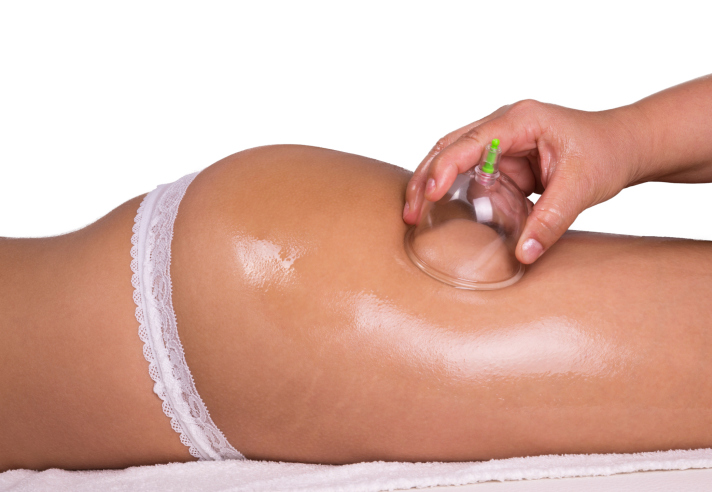
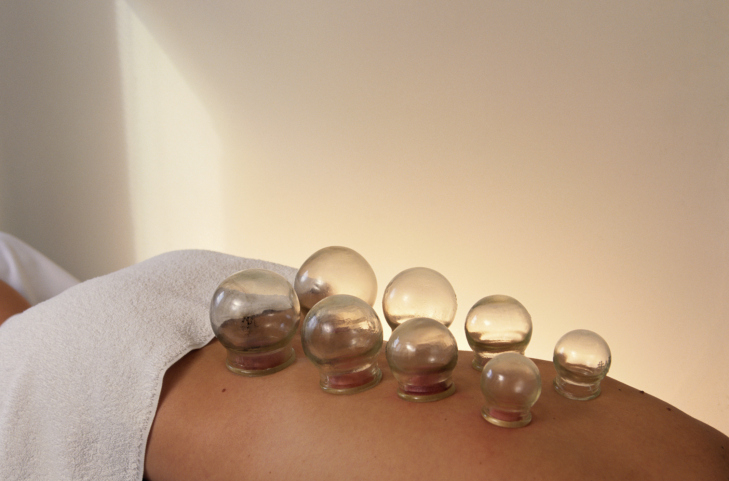
Cupping is the term applied to a technique that uses small glass cups or bamboo jars as suction devices that are placed on the skin. There are several ways that a practitioner can create the suction in the cups. One method involves swabbing rubbing alcohol onto the bottom of the cup, then lighting it and putting the cup immediately against the skin. Suction can also be created by placing an inverted cup over a small flame, or by using an alcohol-soaked cotton pad over an insulating material (like leather) to protect the skin, then lighting the pad and placing an empty cup over the flame to extinguish it. Flames are never used near the skin and are not lit throughout the process of cupping, but rather are a means to create the heat that causes the suction within the small cups.

Once the suction has occurred, the cups can be gently moved across the skin (often referred to as “gliding cupping”). The suction in the cups causes the skin and superficial muscle layer to be lightly drawn into the cup.

Cupping is much like the inverse of massage – rather than applying pressure to muscles, it uses gentle pressure to pull them upward.

Featured on BlackDoctor

For most patients, this is a particularly relaxing and relieving sensation. Once suctioned, the cups are generally left in place for about ten minutes while the patient relaxes. This is similar to the practice of Tui Na, a traditional Chinese medicine massage technique that targets acupuncture points as well as painful body parts, and is well known to provide relief through pressure.

RELATED: 3 Types Of Massage That Is Best For You

There are various types of cupping therapy, including:

Dry cupping (suction only)

Wet cupping (combination of suction and controlled medicinal bleeding)
MD001322

During both types of cupping, a flammable substance such as alcohol, herbs, or paper is placed in a cup and set on fire. As the fire goes out, the cup is placed upside down on the patient’s skin.

As the air inside the cup cools, it creates a vacuum. This causes the skin to rise and redden as blood vessels expand. The cup is generally left in place for five to 10 minutes.

A more modern version of cupping uses a rubber pump to create the vacuum inside the cup. Sometimes practitioners use medical-grade silicone cups. These are pliable enough to be moved from place to place on the skin and produce a massage-like effect.

Cupping therapy benefits

Cupping has numerous health benefits:

  1. It can help remove toxins from the body and stimulate the flow of fresh blood, lymph, and Qi to the affected area and throughout the body.
  2. It has been known to help symptoms of patients with the flu, colds, coughs, back and muscle pain, poor circulation, anxiety, red itchy skin conditions (though cups are not applied to inflamed areas), allergies, fevers, aches and myriad other pains.

Cupping is not exclusive to Traditional Chinese Medicine. Variations of this treatment were used by ancient Egyptians, North American Indians, early Greeks, and in other Asian and European countries. Cupping therapy was recommended by Hippocrates, the man whom many consider to be the “Father of Modern Medicine,” in his guide to clinical treatment.

What to keep in mind before you try it

Cupping therapy is generally considered safe when performed by trained and qualified practitioners in a clean and controlled environment. However, there are some important considerations to keep in mind:

  1. Qualified Practitioner: It’s crucial to seek cupping therapy from a licensed and experienced practitioner. They should have proper training and adhere to hygiene and safety protocols. Practitioners who are not adequately trained or who do not follow hygiene guidelines can pose a risk of infection or injury.
  2. Sterile Equipment: Ensure that the cups and any equipment used during the therapy are sterile and properly cleaned between sessions. Contaminated equipment can lead to infections or skin issues.
  3. Individual Health: Cupping therapy may not be suitable for everyone, especially those with certain medical conditions. People with bleeding disorders, skin conditions, or who are pregnant should consult a healthcare provider before undergoing cupping therapy. The therapy can also cause complications for individuals on blood-thinning medications.
  4. Bruising and Skin Irritation: Cupping therapy often leaves circular bruises or marks on the skin. These are usually not harmful and disappear within a few days. However, some people may experience more severe bruising or skin irritation. If you have concerns about this, discuss it with your practitioner.
  5. Pain or Discomfort: Cupping therapy may cause mild discomfort during the session. It’s important to communicate with your practitioner about your comfort level. They can adjust the suction accordingly.
  6. Heat or Fire Cupping: Some forms of cupping therapy involve using heat or fire to create suction in the cups. This technique can be riskier and should only be performed by experienced practitioners to avoid burns or other injuries.
  7. Hydration: After cupping therapy, it’s essential to stay hydrated. This can help your body recover and reduce the risk of any potential side effects.
  8. Effectiveness: The effectiveness of cupping therapy for various health conditions is still a topic of debate in the medical community. While some people find relief from pain and muscle tension through cupping, the scientific evidence supporting its efficacy for specific health conditions is limited.
  9. Cost and Time Commitment: Cupping therapy can be costly, and multiple sessions may be required to see any potential benefits. Consider your budget and the time commitment before starting therapy.

If you’re considering cupping therapy, it’s advisable to consult with a healthcare professional to determine if it’s a suitable option for your specific health needs. They can provide guidance on the potential risks and benefits and help you make an informed decision. Additionally, always choose a reputable and qualified practitioner if you decide to proceed with cupping therapy.


SHARE
Related Stories
Answer the question below

Gout Survey

People with gout often have sudden, painful flares of joint swelling and redness. How many gout flares have you experienced in the last 12 months?
Have you ever received intravenous medicine for your gout?

Get our Weekly Newsletter

Stay informed on the latest breakthroughs in family health and wellness. Sign up today!

By subscribing, you consent to receive emails from BlackDoctor.com. You may unsubscribe at any time. Privacy Policy & Terms of Service.

More from BlackDoctor

Where Culture Meets Care

BlackDoctor is the world’s largest and most comprehensive online health resource specifically for the Black community. BlackDoctor understands that the uniqueness of Black culture - our heritage and our traditions - plays a role in our health. BlackDoctor gives you access to innovative new approaches to the health information you need in everyday language so you can break through the disparities, gain control and live your life to its fullest.
✦ AI Search Disclaimer
This AI-powered search tool helps you find relevant health articles from the BlackDoctor.org archive. Please keep the following in mind:
✦ For Informational Purposes Only
The information provided through this AI search is for general educational and informational purposes only. It is not intended as a substitute for professional medical advice, diagnosis, or treatment.
✦ Always Consult a Healthcare Provider
Never disregard professional medical advice or delay seeking it because of something you have read through this search tool. If you have a medical emergency, call your doctor or 911 immediately.
✦ AI Limitations
This search tool uses artificial intelligence to help match your queries with articles in our archive. While we strive for accuracy, AI-generated results may occasionally be incomplete, outdated, or not fully relevant to your specific situation.
✦ No Doctor-Patient Relationship
Using this search tool does not create a doctor-patient relationship between you and BlackDoctor.org or any healthcare provider.
Explore over 35,000 articles and videos across black health, wellness, lifestyle and culture
Full AI Search Experience >
×

Download PDF

Enter your name and email to receive the download link.

BlackDoctor AI Search