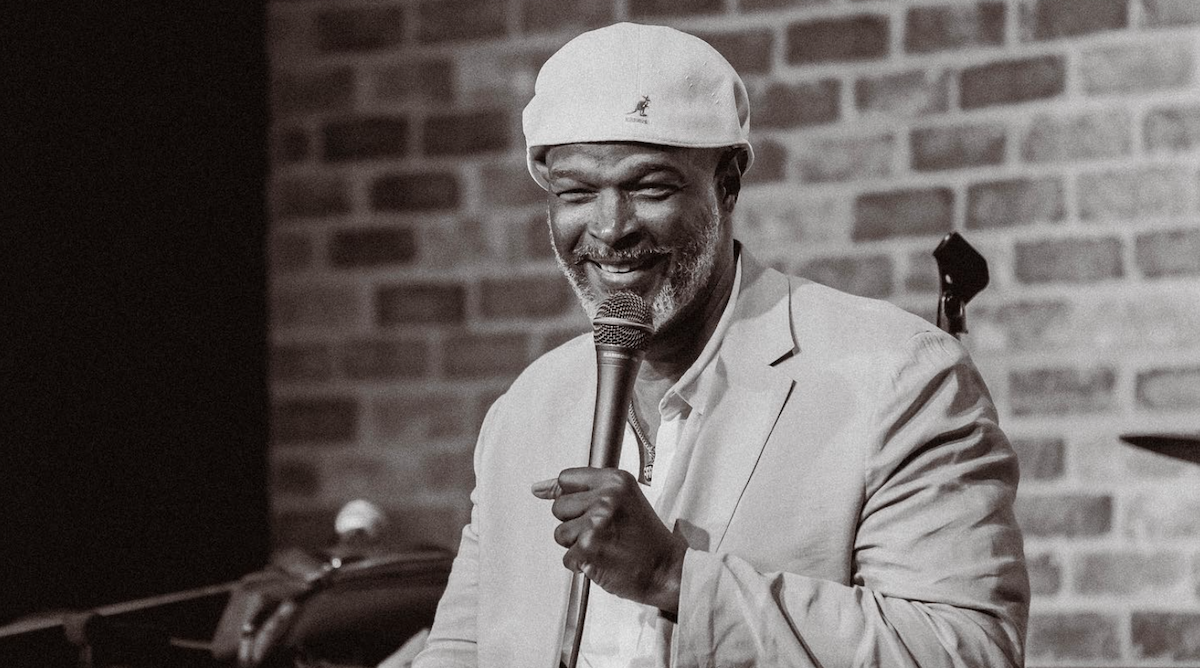
For decades, Damon Wayans Sr. has made audiences laugh. But when it comes to his health, the legendary comedian isn’t joking.
Nearly a decade ago, at age 47, Wayans faced a life-altering diagnosis that nearly cost him everything: type 2 diabetes. He’s just now revealing to the public what really happened.
What started as a medical emergency quickly turned into a defining moment. His blood sugar had skyrocketed to a dangerously high level—putting him on the brink of a diabetic coma.
“I needed triage,” Wayans recalled about the moment doctors intervened to stabilize him.
That experience forced him to confront something many people—especially in Black communities—often avoid: the reality of chronic disease.
“I needed to take insulin. I had to change my diet and get into exercise,” he shared.
Today, at age 65, Wayans is not just managing his diabetes—he’s using his voice to warn others before it’s too late.
Wayans’ story is deeply personal—but it also reflects a much larger crisis.
According to the Centers for Disease Control and Prevention (CDC), Black Americans are nearly twice as likely to be diagnosed with diabetes compared to white Americans. The National Institutes of Health (NIH) further notes that Black adults are more likely to experience serious complications, including kidney failure, amputations, and vision loss.
Even more alarming:
This is where the danger lies.
Diabetes often develops quietly—without obvious symptoms—until it becomes severe.
Health disparities don’t happen by accident. They’re the result of overlapping systemic, environmental, and biological factors.
Many Black Americans are less likely to have consistent access to primary care, screenings, and early intervention—leading to delayed diagnoses.
Communities with limited access to fresh, whole foods often rely on processed options high in sugar and unhealthy fats—key contributors to insulin resistance.
Long-term exposure to stress—whether financial, environmental, or systemic—can disrupt blood sugar regulation and increase diabetes risk.
As Wayans openly pointed out, fear and skepticism around the medical system can keep people from seeking help early.
“We have a lot of fears where I come from, with hospitals and doctors and taking care of your health. We tend to like to do things ourselves, so someone would go get some eyeglasses from the drugstore and have the eyes like this, and they think that that’s enough, and it’s not,” The In Living Color and My Wife & Kids star says.
Store-bought eyeglasses are a temporary solution, but it’s more important to “know what’s going on inside of you.”
“Especially if there’s treatments that can actually help you to alleviate and keep your vision long-term,” Wayans continued.
One of the most dangerous aspects of diabetes is how easy it is to overlook.
Many symptoms seem minor—or are explained away as stress, aging, or dehydration.
By the time symptoms become severe, damage may already be underway.
Wayans’ experience is proof of how quickly things can escalate.
Now, Wayans is focused on raising awareness about a complication many people don’t talk about enough: diabetic macular edema (DME).
Through his partnership with All Eyes on DME, a campaign launched with Genentech and diaTribe, he’s helping bring visibility to this overlooked issue.
DME occurs when high blood sugar damages blood vessels in the retina, causing them to leak fluid and swell—leading to vision loss.
And here’s the part that should stop you in your tracks:
People of color are 2–3 times more likely to develop serious diabetes-related vision complications.
“I found out it affects Black and brown people two to three times more for vision loss, which is terrible,” Wayans said.
The All Eyes on DME initiative isn’t just about awareness—it’s about action.
The campaign aims to:
Wayans brings a unique approach to the campaign: humor.
“Laughter is a powerful medicine,” he said.
But behind the humor is a serious message.
“Inaction is not an option… if you do nothing… it’s going to get worse,” he warned.
One of the most powerful takeaways from Wayans’ story is his honesty about something many people experience—but don’t admit:
Avoiding the doctor.
Whether it’s fear of bad news, cost concerns, or cultural stigma, many people delay care until it’s unavoidable.
Wayans calls that mindset dangerous.
“There’s no crime in knowing,” he said.
“Once you know, then you can go about and try to do it your way.”
Here’s what both the CDC and NIH emphasize:
Early detection changes everything.
When caught early, diabetes can be:
Yet, many people don’t get screened until symptoms worsen.
That’s exactly what Wayans is trying to change.
“It doesn’t hurt to know, but it can hurt not to know. It can be life-threatening.”
After his diagnosis, Wayans made major lifestyle adjustments that helped him regain control of his health.
These are the same lifestyle pillars recommended by the CDC and NIH.
In an interview on Shannon Sharpe’s Club Shay Shay podcast, Damon shared how he was about to go into diabetic coma. He told his brother, superstar writer and director Keenan Ivory Wayans, and shared how Keenan went through his kitchen and started throwing out all the things that would raise his blood sugar.
“Keenan goes ‘Ok, you gotta change your diet.’ I say, what do you mean? He says ‘If you don’t have sugar, you won’t have a sugar problem.'”
“So he started throwing out this and that. Ketchup has sugar in it–basically, everything I liked had sugar in it.”
And while change can feel overwhelming, small, consistent steps matter most.
At its core, this conversation is about more than diabetes—it’s about generational health.
Too often, chronic conditions go undiscussed in families and communities until it’s too late.
Wayans wants to change that narrative.
“I think if you can laugh, it’s not that bad,” he said, explaining how humor can open the door to serious conversations.
Because once the conversation starts, action can follow.
Damon Wayans Sr.’s story is a reminder that diabetes doesn’t discriminate—but access, awareness, and action do.
And for Black communities, the stakes are higher.
Because as Wayans puts it, “It doesn’t hurt to know—but it can hurt not to know.”


By subscribing, you consent to receive emails from BlackDoctor.com. You may unsubscribe at any time. Privacy Policy & Terms of Service.