There are billboards, commercials, flyers, radio ads and more about the importance of getting tested for HIV. But, just taking an HIV (human immunodeficiency virus) test once may not be enough. How many times or how often should you take the test?
About 1 in 7 people in the United States who have HIV don’t know they have it.
Many people will not have any symptoms of HIV when they are first infected with HIV. However, some people do have a flu-like illness within a month or two after exposure. This illness may include:
-Fever
-Headache
-Tiredness
-Enlarged lymph nodes (glands of the immune system easily felt in the neck and groin).
Learn Your Status At Home In Only 20 Minutes!
According to AIDS.gov, these HIV symptoms usually disappear within a week to a month, and are often mistaken for those of another viral infection. During this period, people are highly infectious (can easily spread the virus), and HIV is present in large quantities in genital fluids.
Symptoms of HIV and the “Asymptomatic” Period
More persistent or severe symptoms of HIV may not appear for 10 years or more after HIV first enters the body in adults, or for 2 years in children born with HIV infection. This period of “asymptomatic” infection (without HIV symptoms) varies greatly in each individual. Some people may begin to have symptoms within a few months, while others may be symptom-free for more than 10 years.
Even during the asymptomatic period, the virus is…
…actively multiplying, infecting, and killing cells of the immune system. The virus can also hide within infected cells and lie dormant. The most obvious effect of HIV infection is a decline in the number of CD4+ T cells found in the blood. These are the immune system’s key infection fighters. The virus slowly disables or destroys these cells without causing symptoms.
The CDC recommends everyone between the ages of 13 and 64 get tested for HIV at least once as part of routine health care, just like you have a blood test or a urine test to be sure you are healthy.
Learn Your Status At Home In Only 20 Minutes!
In other words, you should have an HIV test during a medical check-up—regardless if you take part in activities that are considered ‘risky behaviors’. It is better to know than to assume that you know your status.
People with certain risk factors should get tested more often. If you were HIV-negative the last time you were tested and answer yes to any of the following questions, you should get an HIV test because these things increase your chances of getting HIV:
Are you a man who has had sex with another man?
Have you had sex—anal or vaginal—with an HIV-positive partner?
Have you had more than one sex partner since your last HIV test?
Have you injected drugs and shared needles or works (for example, water or cotton) with others?
Have you exchanged sex for drugs or money?
Have you been diagnosed with or sought treatment for another sexually transmitted disease?
Have you been diagnosed with or treated for hepatitis or tuberculosis (TB)?
Have you had sex with someone who could answer yes to any of the above questions or someone whose sexual history you don’t know?
You should be tested at least…
…once a year if you keep doing any of these things. Sexually active gay and bisexual men may benefit from more frequent testing (for example, every 3 to 6 months).
Testing for HIV during your pregnancy is very important and is now done routinely as part of antenatal care in most countries. Your doctor will tell you everything you need to know about HIV testing alongside the other blood tests they do in pregnancy and you will usually be tested at your first appointment.
Learn Your Status At Home In Only 20 Minutes!
If you find out you are positive, you will be given treatment to prevent the onward transmission of HIV to your unborn child, and you will be expected to continue to have a healthy pregnancy. The earlier you start treatment, the greater chance your child will be born HIV-negative. Check out our section on Pregnancy, childbirth & breastfeeding for more information.
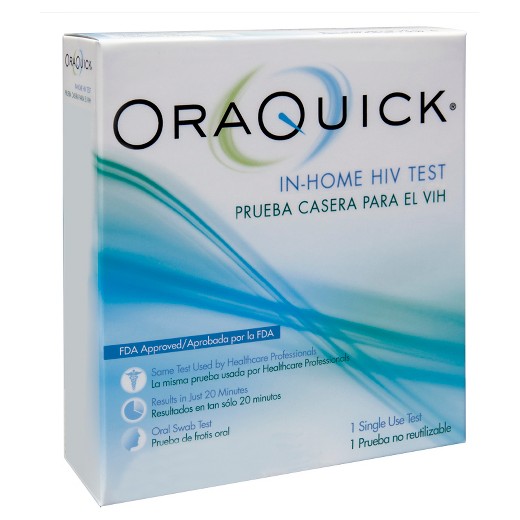
For more information on OraQuick In-Home HIV test, a trusted, confidential, FDA-approved HIV test you can take at home, click here.


By subscribing, you consent to receive emails from BlackDoctor.com. You may unsubscribe at any time. Privacy Policy & Terms of Service.