According to the CDC, older adults and people who have serious chronic medical conditions like heart disease, lung disease, and diabetes are at higher risk of getting very sick from Novel Coronavirus (COVID-19).
People with diabetes are NOT more likely to get COVID-19 than the general population. However, people with diabetes face a higher chance of experiencing severe complications from COVID-19. In China, where most cases have occurred so far, people with diabetes had much higher rates of severe complications and death than people without diabetes.
The seasonal flu and COVID-19 are both respiratory illnesses caused by viral infections. While they share many of the same symptoms, such as fever and body aches, COVID-19 is different from the seasonal flu. The main symptoms of COVID-19 are fever, tiredness, dry cough, and shortness of breath.
If you have diabetes, it is extra important for you to take action to reduce your risk of getting sick with the disease. Even a minor cold can make your diabetes harder to control and lead to serious complications. Illness is stressful to the body. Your body releases hormones to deal with the stress and to fight the sickness. Higher hormone levels can also cause high blood glucose or blood sugar measurements.
Viral infections can also increase inflammation, or internal swelling, in people with diabetes. High blood sugars also cause inflammation, and both could contribute to more severe complications such as diabetic ketoacidosis or DKA. Most common in people with type 1 diabetes, DKA can make it challenging to manage your fluid intake and electrolyte levels, which is vital in managing sepsis. Sepsis is a severe body-wide response to a bloodstream infection. Sepsis and septic shock are two of the serious complications some people with COVID-19 have experienced.
People with type 2 diabetes can also develop DKA, but it is less common and less severe. It is usually triggered by prolonged uncontrolled blood sugar, missing doses of medicines, or severe illness or infection such as COVID-19.
When you get sick, it’s more important to keep your blood sugar in control—but it’s also harder to do. That’s why it’s important to have a plan for those sick days.
Have Supplies on Hand
• Contact your healthcare provider to ask about obtaining extra necessary medications to have on hand in case there is an outbreak of COVID-19 in your community, and you need to stay home for a prolonged period of time.
• If you cannot get extra medications, consider using mail-order for medications.
• Be sure you have over-the-counter medicines and medical supplies (tissues, etc.) to treat fever and other symptoms. Most people will be able to recover from COVID-19 at home.
• Have enough household items and groceries on hand so that you will be prepared to stay at home for some time.
Have a Plan For If You Get Sick
• The first step is to consult with your health care provider for more information about monitoring your health for symptoms suggestive of COVID-19.
• Stay in touch with others by phone or email. You may need to ask for help from friends, family, neighbors, community health workers, etc. if you become sick.
• Determine who can provide you with care if your caregiver gets sick.
Watch for Symptoms and Emergency Warning Signs
• Pay attention to potential COVID-19 symptoms, including fever, cough, and shortness of breath. If you feel like you are developing symptoms, call your doctor.
• If you develop emergency warning signs for COVID-19, get medical attention immediately. In adults, emergency warning signs include difficulty breathing or shortness of breath, persistent pain or pressure in the chest, new confusion or inability to arouse, and bluish lips or face.
Know What To Do When Sick
The American Diabetes Association suggest the following tips for sick day management:
• Drink lots of fluids. If you’re having trouble keeping water down, have small sips every 15 minutes or so throughout the day to avoid dehydration.
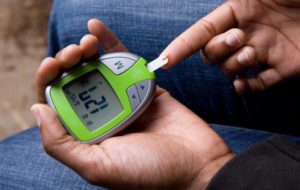
• If you are experiencing a low (blood sugar below 70 mg/dl or your target range), eat 15 grams of simple carbs that are easy to digest (honey, jam, Jell-O, hard candy, popsicles, juice or regular soda). Re-check your blood sugar in 15 minutes to make sure your levels are rising. Check your blood sugar extra times throughout the day and night (generally, every 2-3 hours; if using a CGM, monitor frequently).
• If your blood sugar has registered high (BG greater than 240mg/dl) more than two times in a row, check for ketones to avoid DKA.
• Call your doctor’s office immediately if you have medium or large ketones (and if instructed to with trace or small ketones).
• Be aware that some CGM sensors (Dexcom G5, Medtronic Enlite, and Guardian) are impacted by Acetaminophen (Tylenol). Check with finger sticks to ensure accuracy.
• Wash your hands and clean your injection/infusion and finger-stick sites with soap and water or rubbing alcohol.
Remember, having COVID-19, or other infections, can make diabetes symptoms worse. The sick day management tips above are general guidelines. Work with your health care provider to develop a personalized sick-day plan to help you cope with illness without neglecting your diabetes.
 Constance Brown-Riggs, is a registered dietitian, certified diabetes educator, national speaker and author of the Diabetes Guide to Enjoying Foods of the World, a convenient guide to help people with diabetes enjoy all the flavors of the world while still following a healthy meal plan. Follow Constance on social media @eatingsoulfully


By subscribing, you consent to receive emails from BlackDoctor.com. You may unsubscribe at any time. Privacy Policy & Terms of Service.