
For many people living with Type 2 diabetes, grocery shopping can feel complicated. Advice about food often sounds strict or unrealistic, emphasizing fresh, home-cooked meals at all times. While cooking from scratch can certainly support healthy eating, the reality is that life doesn’t always allow for elaborate meal preparation every day.
Busy schedules, limited budgets, fatigue, and family responsibilities all affect how people shop and cook. That’s why the freezer aisle can be such a valuable resource. Frozen foods are often misunderstood as unhealthy or overly processed, but many frozen options can support balanced eating and stable blood sugar levels.
In fact, for people managing diabetes, frozen foods can help make healthy eating more consistent. They reduce food waste, simplify meal planning, and make it easier to keep nutritious ingredients on hand when energy or time is limited.
According to the American Diabetes Association (ADA), balanced meals that include fiber-rich carbohydrates, lean protein, and healthy fats can help support blood sugar. Frozen foods can play an important role in building these meals.
RELATED: Eat Well on Any Budget: 4 Weekly Grocery Plans
Frozen foods offer several advantages that fresh foods sometimes cannot.
First, they last longer. Fresh produce can spoil quickly, especially if you live alone or cook for a small household. Frozen foods allow you to use only what you need while keeping the rest stored for later. Second, frozen foods are often picked and frozen at peak ripeness, which helps preserve nutrients. In many cases, frozen vegetables contain similar nutrient levels as fresh vegetables.
Third, frozen foods can simplify meal preparation. When vegetables are already washed, chopped, and portioned, cooking becomes faster and less stressful. For people managing diabetes, consistency matters. Having dependable, ready-to-use ingredients makes it easier to build balanced meals that support steady blood sugar.

Plain frozen vegetables are one of the most practical items in the freezer aisle. Options like broccoli, cauliflower, green beans, spinach, zucchini, and mixed vegetables are widely available and easy to prepare. Because they contain fiber and relatively few carbohydrates, non-starchy vegetables have minimal impact on blood sugar when eaten in reasonable portions.
The American Diabetes Association recommends filling half of your plate with non-starchy vegetables as part of a balanced meal. Frozen vegetables also eliminate the worry of spoilage. You can cook a small portion at a time, whether you are preparing a full dinner or simply adding extra fiber to a quick meal.
When shopping, choose frozen vegetables labeled “plain” or “no sauce.” Vegetable blends that include creamy sauces, butter, or sweet glazes may contain added fats or sugars that can increase calories and carbohydrates.
RELATED: Affordable & Organic: 6 Places to Shop Clean on a Budget
Fruit can still be part of a diabetes-friendly diet, especially when portion sizes are balanced. Berries are particularly helpful because they tend to be lower on the glycemic index and higher in fiber compared with many other fruits.
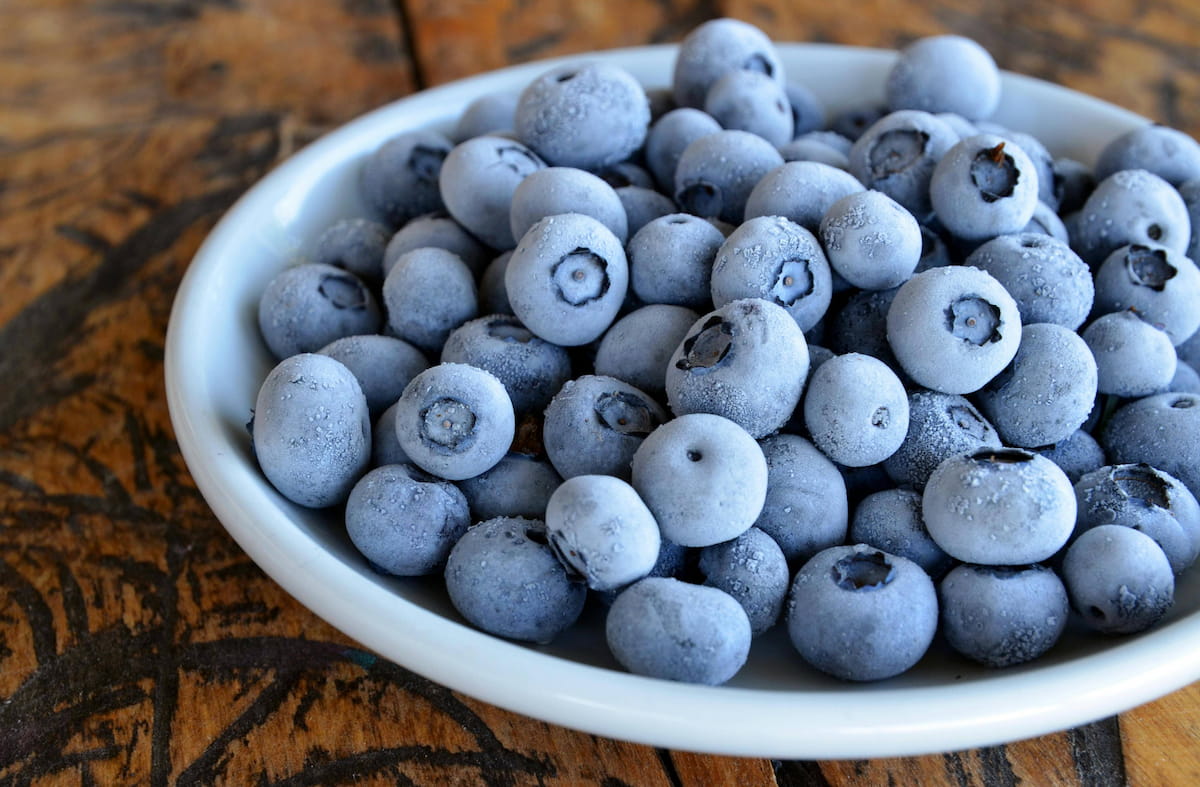
Frozen strawberries, blueberries, raspberries, and mixed berries are easy to store and can be used in a variety of ways. They work well in smoothies, oatmeal, yogurt bowls, or as a topping for whole-grain cereal.
Because frozen berries are available year-round, they are often more affordable than fresh berries when they are out of season. Pairing berries with protein—such as Greek yogurt, cottage cheese, or nuts—can help slow digestion and reduce blood sugar spikes after meals.
Protein plays an important role in blood sugar stability. When protein is included in meals, it slows digestion and helps reduce the rapid rise in glucose that can occur after eating carbohydrates. Frozen lean proteins make it easier to include protein consistently throughout the week. Common options include:
These products allow you to prepare meals quickly without needing to thaw or cook raw meat from scratch every time. When choosing frozen proteins, check the nutrition label. Some pre-seasoned products may contain added sugars or large amounts of sodium. Aim for options with simple ingredient lists and moderate sodium levels whenever possible.
Fish is another excellent protein option that is easy to keep in the freezer. Individually wrapped fillets are particularly convenient because you can cook one portion at a time. Salmon, tuna, cod, and tilapia are all widely available frozen and can be baked, grilled, or pan-seared in just a few minutes.
Fatty fish such as salmon also contain omega-3 fatty acids, which are associated with heart health. This is especially important for people with diabetes, who have a higher risk of cardiovascular disease. Keeping frozen fish on hand makes it easier to prepare balanced dinners even when your refrigerator is nearly empty.
Over the past few years, vegetable-based frozen foods have become increasingly popular. Options such as cauliflower rice, zucchini noodles, and vegetable-based pasta alternatives can add variety to meals.
These foods are not required for diabetes management, but they can help increase fiber intake and reduce the overall carbohydrate load in certain dishes. For example, some people enjoy mixing half cauliflower rice with half regular rice to create a meal that feels satisfying yet lower in carbohydrates. This approach allows for flexibility rather than strict restrictions.

RELATED: 6 Veggie-Packed Meals for Lasting Energy
When choosing frozen foods, reading nutrition labels can help ensure that products fit your personal health goals. Several key factors are particularly important.
Total carbohydrate content helps determine how a food may affect blood sugar levels. While carbohydrate needs vary from person to person, many people with diabetes aim to keep meals within a moderate carbohydrate range. It can also be helpful to look at fiber content when evaluating carbohydrates. Foods that contain fiber often produce a slower rise in blood sugar because fiber slows digestion.
Fiber is an important nutrient for people with diabetes. It supports digestion, promotes a sense of fullness, and helps regulate blood sugar. Foods that contain several grams of fiber per serving may help improve post-meal glucose responses. Frozen vegetables, berries, and certain whole-grain frozen meals can all contribute to daily fiber intake.
Protein plays a key role in balanced meals. Frozen meals that include a meaningful amount of protein can help support satiety and stabilize blood sugar. When selecting frozen entrées, look for meals that contain a good balance of protein along with vegetables and whole grains.
Many frozen foods contain higher sodium levels because salt helps preserve flavor and shelf life. The American Diabetes Association recommends paying attention to sodium intake, especially for people with high blood pressure. Choosing products with moderate sodium levels and balancing them with fresh or low-sodium foods throughout the day can help maintain overall balance.
Frozen foods work best when combined into balanced meals rather than eaten alone. A simple formula many people find helpful is:
For example:
This type of combination helps slow digestion and reduce large swings in blood sugar.
One of the biggest advantages of frozen foods is affordability. Because frozen items last longer, they reduce food waste and allow you to buy ingredients in bulk when prices are lower. Large bags of frozen vegetables, for example, often cost significantly less per serving than fresh produce.
Frozen proteins also make it easier to stretch ingredients across multiple meals. For households managing tight grocery budgets, the freezer aisle can offer reliable ingredients without the pressure to use them immediately.
Many people with diabetes feel pressure to eat “perfectly.” This pressure can lead to guilt when meals are simple, quick, or convenient. But managing diabetes is about sustainability, not perfection. If frozen vegetables help you eat more fiber, that is a positive step. If frozen proteins make it easier to prepare balanced dinners, that supports your health. And if a frozen meal prevents a fast-food stop on a stressful day, that is a meaningful win.
Healthy eating does not require elaborate cooking or expensive ingredients. It requires consistency. Frozen foods can be valuable tools for people managing Type 2 diabetes. They make healthy ingredients accessible, affordable, and easy to prepare. By focusing on plain vegetables, lean proteins, frozen berries, and balanced meals, the freezer aisle can support stable blood sugar and practical meal planning.
The key is learning to read labels, paying attention to the balance of protein and fiber, and being mindful of sodium levels. Most importantly, remember that sustainable habits matter more than perfection. Convenient foods that support consistent, balanced meals can play an important role in long-term diabetes management.


By subscribing, you consent to receive emails from BlackDoctor.com. You may unsubscribe at any time. Privacy Policy & Terms of Service.