Choosing healthy foods is an important step toward controlling diabetes. But healthy portions are important, too. Even the most nutritious, diabetes-friendly foods can cause trouble if you eat too much.
Overeating can make both your blood sugar and your weight harder to manage. And if you’re using food exchange lists to plan your meals, it’s important to keep portion sizes in mind.
Q&A: What Blacks Should Know About Diabetes
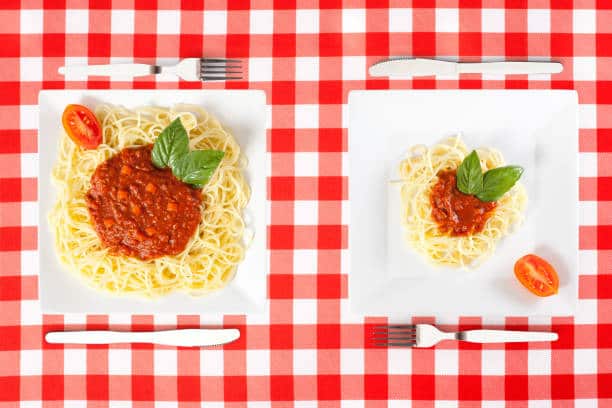
Many of us don’t know how much food we should put on our plate at each meal. In these days of super-size portions at restaurants, movie theaters, and frozen food aisles, it’s easy to lose perspective. What does a healthy portion actually look like?
One way to find out is to buy a portion control plate that has different sections for different parts of the meal. If the food fits on the plate, your portion sizes are probably in the ballpark.
You can also just use smaller plates and avoid having seconds. If you want a second helping, go for a walk around the block. By the time you get back, you won’t be as hungry as you thought you were.
A study of 130 obese people with diabetes found that using a portion control plate every day for six months improved weight loss.
Specifically, many of the patients who used the plates lost about 5 percent of their weight, while most patients in the control group, who received only standard advice about portion control, didn’t lose much weight at all. Patients using the plates were also able to cut back on diabetes medications without sacrificing control of their blood sugar.
Even without a special plate, you can learn to eyeball healthy serving sizes. A single serving of meat — about 3 ounces — is the size of a deck of cards. A one-ounce serving of cheese is the size of four dice. A four-ounce bagel is the size of
a hockey puck. A one-cup serving of cooked pasta is the size of a tennis ball. When eating starchy foods like corn or potatoes, you should stick with about half a cup, which, naturally, is about half the size of a tennis ball.
If you’ve been to an Italian restaurant recently, you know that you can expect far more than a tennis ball’s worth of pasta with your marinara sauce.
To really control your portion sizes, it’s best to eat at home as often as possible, especially if you make a point of having healthy foods in the refrigerator and don’t keep ice cream in the freezer.
If you do go to a restaurant, ask for half portions or be prepared to take home plenty of leftovers. Some people make sure they don’t overeat by asking for a takeout box as soon as dinner comes. That way, they can put half in the takeout container at the outset and eat the rest, knowing they’ve kept their portions well under control.
RELATED: I Have Diabetes, Can I Still Eat…
Here are some other strategies to keep yourself from eating uncontrolled amounts of food:
Try not to eat until after you have a glass of water. Having a glass of water first whenever you think you are hungry gives you a chance to decide whether or not you are really hungry.
Make sure to have something for breakfast that includes complex carbohydrates: fruits, vegetables, nuts, seeds, and grains. Whole-grain bread or cereal is a good bet for the morning meal.
Limit your food intake two to three hours before bedtime.


By subscribing, you consent to receive emails from BlackDoctor.com. You may unsubscribe at any time. Privacy Policy & Terms of Service.