(BlackDoctor.org) — Everyone knows you have to cut back on or eliminate certain foods once you’ve been diagnosed with type 2 diabetes.
But there are also foods that can help with managing type 2 diabetes, either by providing powerhouse portions of nutrients or by helping quell the ebb and flow of your blood sugar levels.
“Diabetes superfoods are foods that are low-fat and high in nutrients like vitamins, minerals, and fiber,” says dietitian Sue McLaughlin, RD, CDE, a certified diabetes educator and president of health care and education for the American Diabetes Association.
Making these foods part of a comprehensive diabetes diet can make a real difference in managing diabetes.
Beans
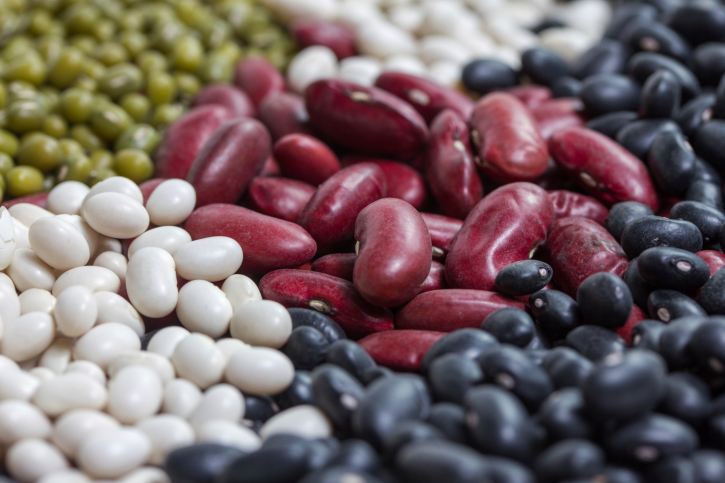
Incredibly high in fiber and protein, just a half-cup of any type of beans will provide about a third of your daily requirement of fiber and as much protein as an ounce of meat. Because of this, beans are wonderful for managing blood glucose levels, giving the body nutrients to slowly digest and process. “They help control the post-meal blood sugar rise,” McLaughlin says. Beans also are great sources of magnesium and potassium.
Fish
“Salmon, albacore tuna, mackerel, halibut, and herring are high in omega-3 fatty acids that have been shown to be heart-healthy, as long as these [fish] are not breaded and deep-fried,” McLaughlin says. One study also suggests that eating fish at least twice a week may protect people with diabetes against kidney problems.
Nuts
Nuts are very filling and contain high levels of unsaturated fats, the kind that contributes to “good” cholesterol. Some nuts and seeds like walnuts and flaxseeds contain omega-3 fatty acids. Nuts also deliver healthy doses of fiber and magnesium.
Berries
All berries contain good levels of antioxidants, says McLaughlin. They are heart-healthy, cancer-preventing, and fat-free. Compared with other fruits, “they provide a comparatively low amount of calories and carbohydrates considering their serving size,” McLaughlin says. Berries also contain vitamins and fiber.
Broccoli
High in vitamins A and C, broccoli is another low-carbohydrate, low-calorie, high-fiber food that has antioxidant and anti-cancer properties, McLaughlin says. Broccoli also is very filling, a plus for people who need to lose weight. “Try eating a six-inch salad plate full of cooked broccoli,” she says. “It will fill you up and give you 75 calories at most.”
Sweet Potatoes
Many people with type 2 diabetes love potatoes, but can’t afford the starch. Sweet potatoes are a great alternative, McLaughlin says. They are high in fiber and vitamins A and C.
Dark, Leafy Green Vegetables
Spinach, collard greens, and kale pack high levels of nutrients like vitamins A and C and calcium, as well as being low in calories and carbohydrates. Other great choices in this group include bok choy and mustard greens.
Whole Grains
Any time you want bread, pasta, or cereal, you need to make sure it’s made with whole grains. The germ and bran contained in whole grains have large amounts of nutrients like magnesium, chromium, omega-3 fatty acids, and folate; these are stripped out of wheat when it’s processed into white flour products. Whole-grain foods also contain lots of fiber.
Tomatoes
Here’s another colorful vegetable that contains large amounts of nutrients like iron and vitamins C and E. Tomatoes are very versatile and can be used in many different recipes. Cooked tomato products like stewed tomatoes and ketchup also deliver the important nutrient lycopene.


By subscribing, you consent to receive emails from BlackDoctor.com. You may unsubscribe at any time. Privacy Policy & Terms of Service.