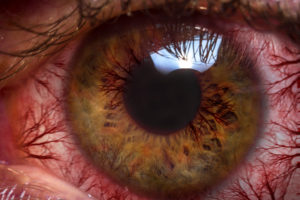
Diabetic eye disease includes cataracts, diabetic retinopathy, and glaucoma. All are complications of diabetes and can cause severe vision loss or even blindness. January is Glaucoma Awareness Month—a good time to focus attention on glaucoma. It is one of the main causes of blindness in the United States affecting almost 3 million people.
Anyone can get glaucoma. However, African Americans over age 40, and those with a family history of the disease have a higher risk of developing glaucoma.
What is Glaucoma? Glaucoma is a group of diseases that can damage the eye’s optic nerve and result in vision loss and blindness. The optic nerve is the part of the eye that sends electrical impulses for sight to the brain. Normally, clear fluid flows in and out of a small space at the front of the eye and keeps the tissues in the eye healthy. If this fluid drains too slowly, it puts pressure on the optic nerve and can cause glaucoma.
Increased eye pressure alone does not mean you have glaucoma. However, it does mean you are at risk for the disease. A person has glaucoma only if the optic nerve is damaged.
Symptoms. At first, there are no symptoms. Vision stays normal, and there is no pain. But as the disease gets worse, your peripheral (side) vision may begin to fail. Objects straight ahead of you may be clear, but you may not see objects to the side. Over time, with untreated glaucoma, you may not be able to see objects straight ahead.
How is glaucoma detected? A dilated eye exam is the only way to determine if you have glaucoma. A basic eye exam for glasses or contacts won’t detect glaucoma. Neither will a test that just measures eye pressure. During the dilated eye exam, drops are put into the eyes to enlarge the pupils. This allows your doctor to clearly see the inside of your eye to check for signs of damage to the optic nerve.
How is glaucoma treated? Glaucoma cannot be cured, but treatment can help control the pressure in your eye and delay further damage to the optic nerve. Typically, treatment begins with medications—such as eye drops or pills and if needed, laser surgery. Traditional surgery is usually reserved for people whose eye pressure cannot be controlled with medication or laser surgery.
How can I protect my vision? Early detection and treatment are the best ways to control glaucoma before it causes permanent vision loss. Everyone with diabetes should have a comprehensive dilated eye exam at least once a year. You can reduce your risk of glaucoma by controlling blood sugar, blood pressure, and blood cholesterol.
If you already have glaucoma, controlling blood sugar, blood pressure and blood cholesterol will slow down the progression of the disease. Also, if you already have glaucoma, you may need to have an eye exam more often.
Healthcare Coverage. If you have diabetes, a family history of glaucoma, are an African American over the age of 50 or a Hispanic age 65 or older Medicare can help you pay for a dilated eye exam. For more information on this Medicare benefit, visit www.nei.nih.gov/Medicare.

Constance Brown-Riggs, is a registered dietitian, certified diabetes educator, national speaker and author of the Diabetes Guide to Enjoying Foods of the World, a convenient guide to help people with diabetes enjoy all the flavors of the world while still following a healthy meal plan. Follow Constance on social media @eatingsoulfully


By subscribing, you consent to receive emails from BlackDoctor.com. You may unsubscribe at any time. Privacy Policy & Terms of Service.