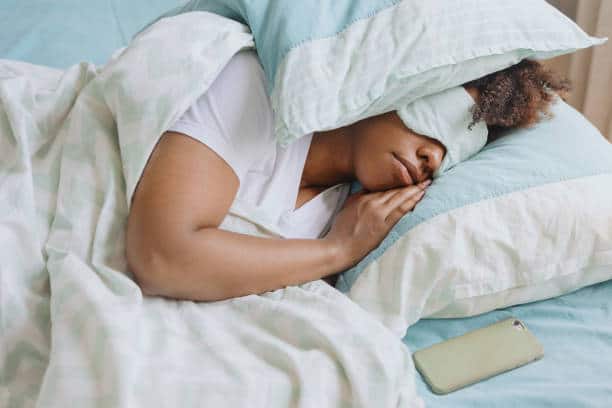
That recommendation to nap less frequently is so unpleasant. It’s not like you don’t want a more peaceful night, but job deadlines, the laundry pile, and a nocturnal mind full of active ideas are just a few of the reasons lots of us lose out on sleep.
The health of your heart declines with chronic sleep loss, and sleeping late on the weekends isn’t a foolproof remedy. If you need validation that you can and should set an adult bedtime in the same way that you do for your morning alarm, we’re here to give it.
The trial lasted 11 days, and it involved 15 healthy males between the ages of 20 and 35. At the outset of the trial, individuals slept for a total of 30 hours throughout three nights. After two “recovery nights,” during which participants were allowed to sleep for up to 10 hours each night, the trial was over. During these times, participants’ blood pressure and pulse rates were tracked every two hours while they were awake.
Only 65 percent of individuals in the U.S. typically sleep the recommended seven hours each night,” says Anne-Marie Chang, Ph.D., associate professor of biobehavioral health at Penn State and co-author of the study in a news release. Dr. Chang highlights the study’s findings as “a probable explanation for this longitudinal relationship” between poor sleep and chronic cardiovascular illness, adding that this supports previous research showing a link between the two.
RELATED: Best and WORST Sleeping Positions
Researchers found that participants’ heart rates increased by about one beat per minute (BPM) daily during the trial. The average resting heart rate was 69 beats per minute (BPM), and it increased to roughly 78 BPM on the second day of healing. Systolic blood pressure (the higher figure in a BP measurement) also increased by about 0.5 mmHg daily. Starting with an average of 116 mmHg, it recovered to a level of about 119.5 mmHg. That’s quite a leap of faith.
As the study’s primary author and a Penn State graduate student in biobehavioral health, David Reichenberger, MS, emphasized: “Both heart rate and systolic blood pressure rose with each subsequent day and did not return to baseline values by the conclusion of the recovery period.” The participants’ cardiovascular health was still affected even after two nights of extensive sleep.
It’s not only a matter of heart health. Dr. Chang emphasized the impact sleep has on a variety of physical and mental health factors, along with the quality of one’s interpersonal connections.
These results show that the stress of working late does affect our hearts. Surprisingly, “recovery” sleep throughout a few nights does not appear to help your heart return to its normal resting rate. Your heart rate and blood pressure may not reset after successive nights of moderate sleep restriction, suggesting that the effects of this may take longer to fade than was previously believed.
Keep in mind that staying up late has long-term effects and that recovering from them might not be as easy as sleeping in on Saturday. According to Dr. Chang, sleep is more than a luxury; it’s an important part of your body and mind’s normal functioning and therefore, requires your full attention.
If you’re having trouble sleeping, you may improve your slumber with the help of these suggestions from the CDC.
Always seek the advice of a qualified medical professional if you are having trouble sleeping.


By subscribing, you consent to receive emails from BlackDoctor.com. You may unsubscribe at any time. Privacy Policy & Terms of Service.