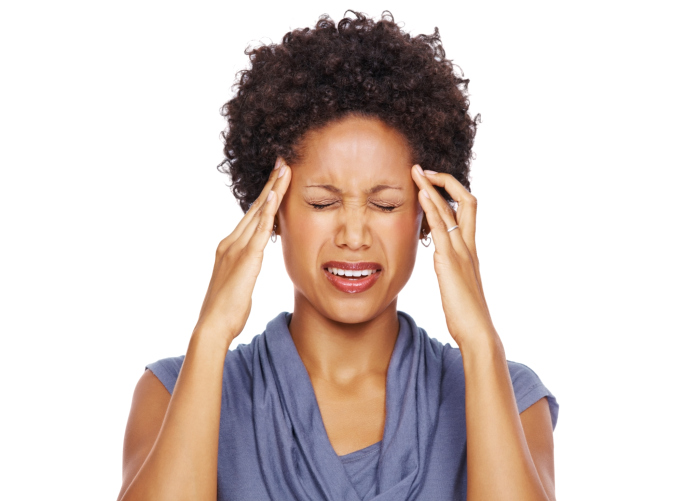
Going to the medicine cabinet and grabbing another aspirin or ibuprofen to knock out a headache is second nature for many of us. However, if you grab too many you’re setting yourself up for another headache that could come with serious consequences. Rebound headaches, also known as medication overuse headaches or analgesic rebounds, are caused by taking too many over-the-counter (OTC) or prescription pain relievers (analgesics).
YOU MAY ALSO LIKE: Headache Locations: What Do They Mean?
A new national survey found that while nearly all consumers (97%) say they feel confident when choosing which OTC pain reliever to take, many are in fact disregarding important safety considerations.
The frequent usage of pain relievers rewires the pain pathways in your brain and tells it, “I need more medicine to make me feel better.” According to a report from Medical Daily, about 50 percent of migraines and 25 percent of all headaches are linked to pain medication overuse.
Overuse of migraine or headache medication can also cause the medication to stop working and damage the liver and kidneys, according to the National Headache Foundation.
Risk Factors for Rebound Headaches
- Medical Daily reports that some people with specific types of serotonin profiles are more susceptible to medication overuse, which puts them at a greater risk for rebound headaches.
- If you take pain medication for your migraines and headaches consistently (everyday or every other day) you’re at risk.
- Consuming pain medication that contains caffeine or butalbital
- According to the Migraine Trust people who have a family history of rebound headaches are more likely to get them. They generally don’t occur in people who take pain medication for anything other than headaches or migraines.
Common Symptoms of Rebound Headaches
- Daily or every other day headaches
- Pain feels constant and dull
- Headaches often wake you up in the morning
- The headaches often subside when you take the pain-relief medication, but returns thereafter when the medication wears off.
- Listlessness (showing little or no interest in anything)
- Memory problems
- Irritability
- Restlessness and difficulty concentrating on
Medications That Cause Rebound Headaches
These pain medications in small doses are fine, but taken on an everyday basis can cause rebound headaches according to the Cleveland Clinic:
- Over-the-counter headache drugs containing caffeine (Bayer Select, Excedrin, Anacin, etc.)
- Ibuprofen and Naproxen (Nonsteroidal anti-inflammatory drugs-NSAIDS)
- Sinus relief medications
- Sleep sedatives
- Aspirin
- Codeine and prescription narcotics
- Ergotamine medications (Ercaf, Phenerbel-S, Ergomar, Wigraine, Bellergal-S, Cafatine PB, Bel-Phen-Ergot, Migergot)
- Butalbital combination pain relievers (Goody’s Headache Powder, Fioricet, Supac, Fiorinal)
- Acetaminophen
Treatment for Rebound Headaches
Without the proper treatment, rebound headaches will progressively get worse. Discontinuing the medication – either cold turkey or gradually decreasing the dosage is recommended according to Mayo Clinic. Other options include:
- Speak with your doctor about medications that can prevent migraines or headaches to avoid medication overuse.
- Decrease the use of over-the-counter pain medication to 15 days or less per month.
- Prescription headache medication with opioids, barbiturates, triptans and ergots should only be taken 10 days or less per month.
READ: Why do I Get Headaches When I Work Out?
Preventing Rebound Headaches
Preventing your rebound headaches altogether is the best bet. Adhering to medication guidelines is key.
- Follow medication instructions on the label or from your doctor.
- Take pain-relieving medication only when necessary, and in the smallest dose possible.
- Ask your doctor if your OTC pain reliever negatively interacts with other prescriptions you’re taking.
- Avoid caffeine and caffeine-containing products while taking pain-relieving medicine.
READ: Headache Locations: What Do They Mean?