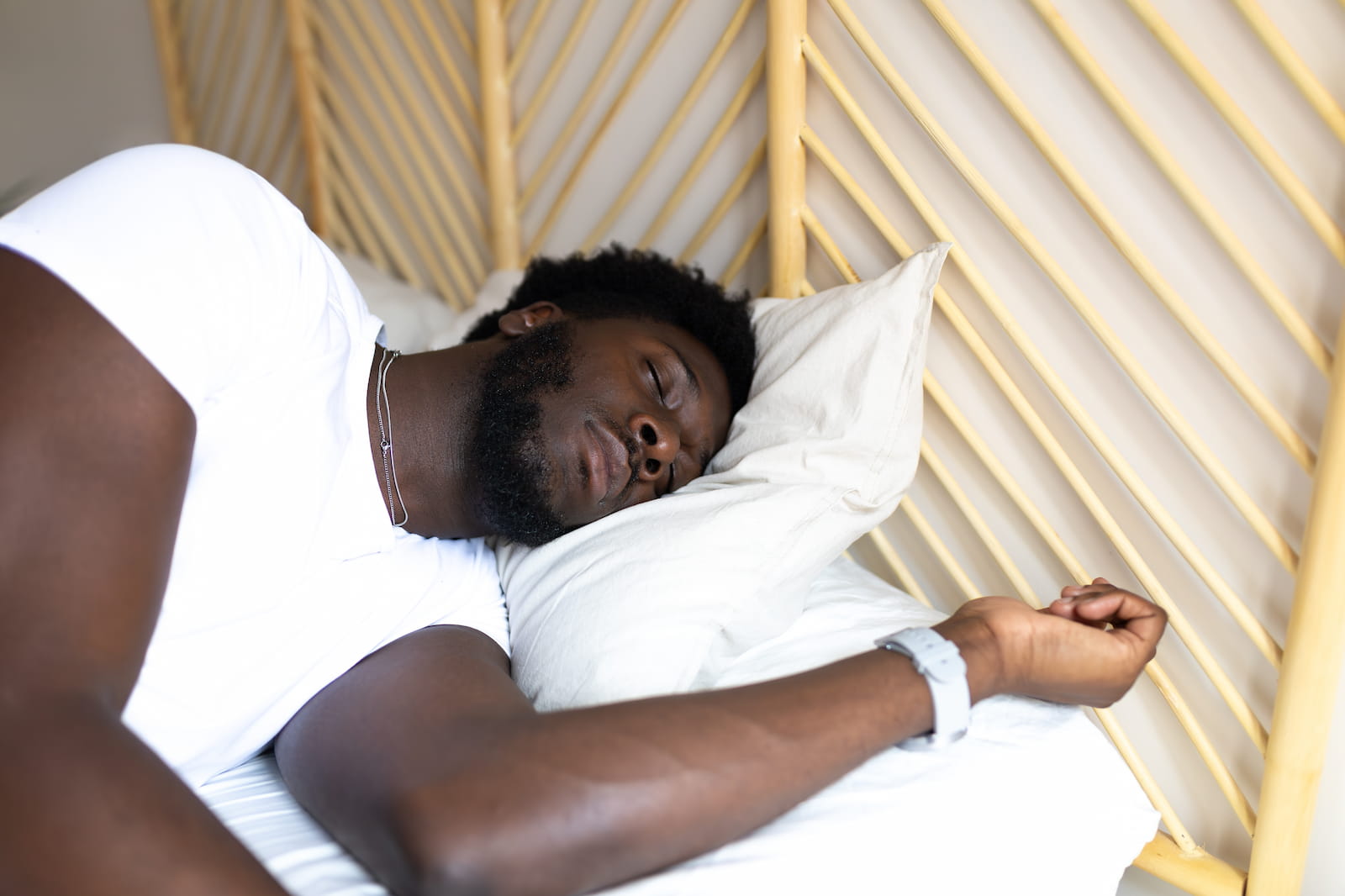
If you drool while sleeping, you’re probably familiar with drool stains on your pillow and wiping your mouth when you wake up. You also may have noticed that saliva leaks out mostly when you sleep on your sides and rarely when you sleep on your back. That’s because, when you sleep on your back, saliva settles at the back of your throat and eventually drains down.
Different glands contribute to saliva production. Your body produces much less saliva while you’re asleep than while you’re awake.
At rest, the rate of saliva secretion is estimated at 0.3 to 1 mL/1.7 m2/min. You don’t drool when you’re awake because you swallow up the saliva. But when you’re sleeping, you’re relaxed, and so are your facial muscles. As a result, the saliva the glands produce accumulates in your mouth and leaks out because you don’t swallow it.
Clinically, drooling can be associated with the following seven mild-to-severe medical complications.
When you sleep on your side or your stomach, your mouth often opens as you relax, and saliva can dribble out. But when you sleep on your back, you naturally swallow during sleep, which prevents drooling.
Allergic rhinitis and certain food allergies cause overproduction of saliva, resulting in drooling. Read about six everyday things that can cause allergies.
RELATED: The Worst Sleep Position for Your Body
Scientists believe acid reflux episodes cause gastric acid to stimulate the esophagus; as a result, the esophago-salivary reflex is triggered, leading to excessive saliva production.
Upper respiratory tract infections are usually associated with breathing and swallowing problems, which can cause drooling due to saliva buildup. Also, when your nasal passage is blocked by the flu, you tend to breathe through your mouth, which can cause excess saliva to flow out while sleeping.
Tonsillitis is inflammation of the tonsils, glands at the back of your throat. Due to
inflammation and swelling, the passage becomes narrow, thereby obstructing the drainage of accumulated saliva down the throat.
RELATED: Can’t Sleep? Here Are 6 Natural Sleeping Aids
Drooling is a known symptom seen in people suffering from sleep terrors. Sleep terrors can be manifested in adults as a result of psychopathological reasons.
They often occur when a person is under severe emotional stress or may be triggered by certain drugs like sedatives, alcohol, or even sleep deprivation.
Drooling can also occur in people with other sleep-related disorders like sleepwalking (somnambulism) and somniloquy (sleep talking).
If you’re on certain medications or if you’re taking drugs, then drooling may be an everyday thing for you. Some antidepressants and medications like morphine and pilocarpine (treats dry mouth) cause increased saliva production.
For most people, waking up with a little drool on the pillow from time to time is nothing to worry about. Your sleeping position, relaxed facial muscles, nasal congestion, or simply sleeping with your mouth open can all make it easier for saliva to escape. In many cases, making simple changes—such as adjusting your sleeping position or addressing nasal congestion—may help reduce the problem.
However, if you suddenly start drooling more than usual, if it happens frequently, or if it is accompanied by other symptoms, it may be worth paying closer attention. Persistent drooling can sometimes be linked to allergies, acid reflux, sinus problems, sleep disorders, medication side effects, or conditions that affect swallowing and muscle control.
Pay attention to what else is happening with your body. If you are having difficulty swallowing, choking or coughing while sleeping, significant heartburn, ongoing nasal congestion, changes in speech, facial weakness, or other unusual symptoms along with excessive drooling, talk with your healthcare provider. They can help determine whether the drooling is simply a sleep-related habit or a sign of an underlying condition that needs attention.
The good news is that drooling during sleep is common and often harmless. Instead of feeling embarrassed by a wet pillow or assuming something is wrong, consider the bigger picture. Understanding when drooling is a normal part of sleep—and when it may warrant a closer look—can help you recognize changes in your health and know when it’s time to seek professional advice.


By subscribing, you consent to receive emails from BlackDoctor.com. You may unsubscribe at any time. Privacy Policy & Terms of Service.