Menu

Jog on: Exercise Won’t Raise Your Odds for Arthritic Knees

Table of Contents
arthritis in knee

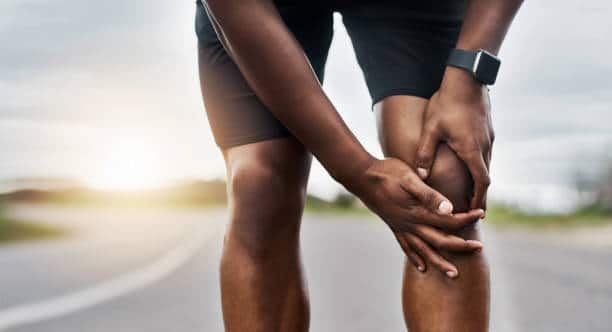
Dr. Kim Huffman, an avid runner, gets a fair amount of guff from friends about the impact that her favorite exercise has on her body.”People all the time tell me, ‘Oh, you wait until you’re 60. Your knees are going to hate you for it’,” Huffman shares. “And I’m like, ‘That’s ridiculous’.” Next time the topic comes up, Huffman is well-armed. An extensive British analysis of prior study data has found no link between a person’s amount of exercise and their risk for knee arthritis.

What the study shows

The research team combined the results of six clinical trials conducted at different places around the globe, creating a pool of more than 5,000 people who were followed for 5 to 12 years for signs of knee arthritis.

In each clinical trial, researchers tracked participants’ daily activities and estimated the amount of energy they expended in physical exertion.

Featured on BlackDoctor

Neither the amount of energy burned during exercise nor the amount of time spent in physical activity had anything to do with knee pain or arthritis symptoms, the researchers concluded.

RELATED: Is There A Remedy For “Stiff” Knees?

Dispelling the myth that exercising causes arthritis

“This helps dispel a myth that I’ve been trying to dispel for quite a while,” Huffman, an associate professor at the Duke University Medical Center’s division of rheumatology says.

“If you add up the amounts of activity that people do and also the duration of activity, neither of those is associated with knee arthritis,” Huffman adds.

This “further corroborates the fact that levels of exercise in one’s personal life do not increase the risk, the onset or progression of osteoarthritis,” Dr. Bert Mandelbaum, chief medical officer of the Los Angeles Galaxy soccer club and team physician for the U.S. Soccer Men’s National Team says.

So where did this misconception come from?

Huffman thinks it’s because people mistake exercise-related injuries for the effect that exercise itself has on your joints.

“Right now, the clear risks for knee arthritis are genetics, injuries and female sex,” Huffman shares. “People who exercise more may be more likely to injure their knee. That’s where I think the myth comes from.”

How exercise wards of knee arthritis

In fact, exercise can help ward off knee arthritis in several ways, Huffman says:

  • Flexing and extending the knee during exercise promotes the diffusion of fluid into the joint, promoting better nutrition.
  • An elevated metabolism created by exercise helps control inflammation in the knee joint.
  • Weight loss reduces the amount of load placed on the knee.
  • Exercise strengthens the muscles surrounding the knee, stabilizing it and reducing the risk of injury.

“I don’t think we’re finding that simple overuse or using your joint is a problem. It’s more an association with injuries and perhaps in the setting of obesity or high genetic risk,” Huffman says.

On the other hand, exercise provides benefits that go far beyond healthy joints, Mandelbaum points out.

“Physical activity is essential to optimize both physical and mental health and plays a central role in facilitating life’s quality and quantity,” Mandelbaum says. “The list of benefits includes decreased anxiety, better mood, decreased levels of coronary disease, hypertension, diabetes and obesity, and therefore a longer life.”

RELATED: 10 Exercises That Decrease Knee Pain

Which exercises are safe for the knees?

Your best bet is to choose an exercise that poses the least risk of a knee injury, Huffman adds.

“If you want to go snow skiing, I don’t think that’s a huge problem but you’re probably going to be more likely to injure yourself downhill skiing than, say, walking in your neighborhood or training for a marathon,” Huffman notes. “It’s not soccer or football or skiing itself. It’s just the risk for injury during those activities.”

In addition to choosing exercises that pose the least risk of knee injury, the following tips will also help you avoid knee injury:

  • Maintain a healthy weight: Excess weight puts stress on your joints and makes you more susceptible to injuries or chronic knee pain. It can also lead to conditions like osteoarthritis.
  • Wear the right shoes: High heels can lead to added stress on your quads and knees. Flats or pumps are a better option for your knee muscles. It is also important that you wear comfortable shoes when you exercise. Getting a professional fitting from someone at a sporting goods store can help you match the perfect shoe to your foot and whatever activity you are doing.
  • Add weight training: Weight training exercises will strengthen your leg and knee muscles and reduce your chance of injury.
  • Stretch: Before you exercise remember to stretch focusing on your hamstrings, calf muscles, and quadriceps. This will loosen up your legs so that you aren’t putting pressure on your knees and kneecaps when you exercise.
  • Wear knee guards: Wearing knee guards is the easiest way to prevent injury during activities like rollerblading and biking, where falls happen frequently. Wearing knee guards can also prevent bad bruises or fractures.
  • Pay attention to your posture: You should sit or walk with your head squarely above your shoulders and your shoulders directly above your core. Slouching puts pressure on your knees and can cause a weak core, knee injuries and chronic pain.

Lastly, remember to use proper technique when training and limit the amount of stress you are putting on your knees because overtraining can make you vulnerable to injuries. If you are unsure if you are using the proper technique, consult with a health professional. They can critique your form and make sure you aren’t putting too much stress on your knees.


SHARE
Related Stories
Answer the question below

Gout Survey

People with gout often have sudden, painful flares of joint swelling and redness. How many gout flares have you experienced in the last 12 months?
Have you ever received intravenous medicine for your gout?

Get our Weekly Newsletter

Stay informed on the latest breakthroughs in family health and wellness. Sign up today!

By subscribing, you consent to receive emails from BlackDoctor.com. You may unsubscribe at any time. Privacy Policy & Terms of Service.

More from BlackDoctor

Where Culture Meets Care

BlackDoctor is the world’s largest and most comprehensive online health resource specifically for the Black community. BlackDoctor understands that the uniqueness of Black culture - our heritage and our traditions - plays a role in our health. BlackDoctor gives you access to innovative new approaches to the health information you need in everyday language so you can break through the disparities, gain control and live your life to its fullest.
✦ AI Search Disclaimer
This AI-powered search tool helps you find relevant health articles from the BlackDoctor.org archive. Please keep the following in mind:
✦ For Informational Purposes Only
The information provided through this AI search is for general educational and informational purposes only. It is not intended as a substitute for professional medical advice, diagnosis, or treatment.
✦ Always Consult a Healthcare Provider
Never disregard professional medical advice or delay seeking it because of something you have read through this search tool. If you have a medical emergency, call your doctor or 911 immediately.
✦ AI Limitations
This search tool uses artificial intelligence to help match your queries with articles in our archive. While we strive for accuracy, AI-generated results may occasionally be incomplete, outdated, or not fully relevant to your specific situation.
✦ No Doctor-Patient Relationship
Using this search tool does not create a doctor-patient relationship between you and BlackDoctor.org or any healthcare provider.
Explore over 35,000 articles and videos across black health, wellness, lifestyle and culture
Full AI Search Experience >
×

Download PDF

Enter your name and email to receive the download link.

BlackDoctor AI Search