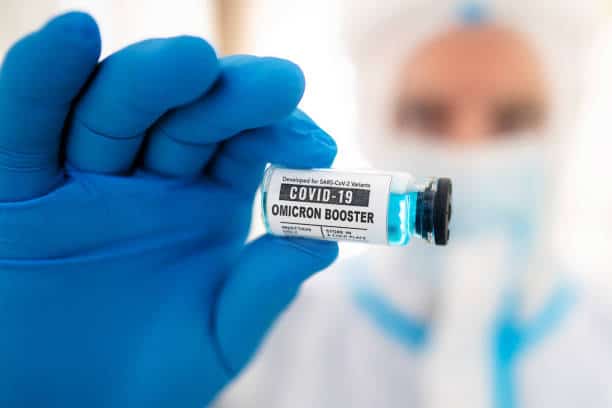
When the Food and Drug Administration recently authorized a second COVID-19 booster shot for some people, many of those eligible wondered whether to get one – and when, given that cases are once again rising in some parts of the country.
RELATED: CDC Supports 2nd Booster Shots for Americans 50 and Older
Here are answers to six common questions to clear up some of the confusion.
Based on the FDA’s decision, the Centers for Disease Control and Prevention now says:
The CDC already recommended a primary series of COVID-19 vaccination for everyone age 5 and older, and a booster for everyone 12 and older. But the optional tone of the language around the second booster has left many people wondering what to do, health care experts say.
Dr. Won Lee, medical director of Boston Medical Center’s Home Care Program, provides home care to about 500 people in their 80s and above. She tells them, “Yes, you need it.”
Although a study published last month in the New England Journal of Medicine suggests a fourth vaccine dose provided only marginal benefits in a group of healthy, young health care workers, pharmacist Orly Vardeny says older people in general benefit from boosters because as people age, their immune response to vaccination weakens.
Anyone with chronic health conditions “is certainly on that list” of people who need a fresh booster, says Vardeny, an associate professor of medicine at the Minneapolis VA Health Care System and University of Minnesota. That would include people with cardiovascular disease.
But she says even for people 50 and older with no underlying conditions, “there’s really not a good reason not to get boosted” again.
The changes are based on new science, Vardeny adds. “I think if they didn’t change things on us, despite a changing landscape of COVID, that would be worrisome.”
The CDC still says vaccines provide important protection against serious illness, hospitalization and death from COVID-19, especially among
those who received a booster dose.
A study published April 5 in the New England Journal of Medicine showed that while a second booster in people 60 and older protected against severe illness during a six-week period, protection against infection began to wane after four weeks.
Still, Vardeny, who has done extensive research on flu vaccines, doesn’t recommend trying to outthink the coronavirus.
“If we’ve learned anything about COVID-19, it’s that it’s unpredictable,” she says. “And so, while we may think we can predict the next surge, we truly don’t know when it will occur. And I think if it occurs, we want our immune system to be in the best shape it can possibly be.”
Lee says if you’re 50 or older, in good health, live in an area with a low rate of COVID-19, “and you just want to wait a little bit, I don’t think that’s unreasonable.”
But she doesn’t encourage delaying. Trying to align the timing of a vaccine with variables such as vaccine availability and a person’s individual immunity is “kind of gambling a little bit,” she adds. “It seems a little unnecessary. So I would just go ahead and get it.”
For people who initially received the Pfizer or Moderna vaccine, switching to the other brand for a booster is safe, but Lee says there’s not enough information to make a strong recommendation. “I think there is some early data to say that it might be helpful, but it probably isn’t harmful either.”
From a logistical perspective, Vardeny said, people should get whatever is available at their pharmacy.
But she is in favor of the CDC’s advice that people who received the Johnson & Johnson vaccine should switch to an mRNA vaccine for their second booster.
COVID-19 isn’t going away, Vardeny shares. “I think people should start getting mentally prepared for the fact that this may become endemic, similar to influenza.” And the new normal is likely to include boosters. The FDA could start making decisions on the next phase of boosters as early as May.
Lee, who says too many people still need their first booster or even initial vaccinations, hopes people think of others when making booster decisions.
“My plea is always to focus on the more vulnerable folks in the community,” she adds. Even people who feel strong and healthy, or who already had COVID-19, should be mindful about risks to children younger than 5 who can’t be vaccinated yet and to older adults, she says “Vaccinating everyone helps, especially those who are less able to protect themselves.”
By American Heart Assoication


By subscribing, you consent to receive emails from BlackDoctor.com. You may unsubscribe at any time. Privacy Policy & Terms of Service.