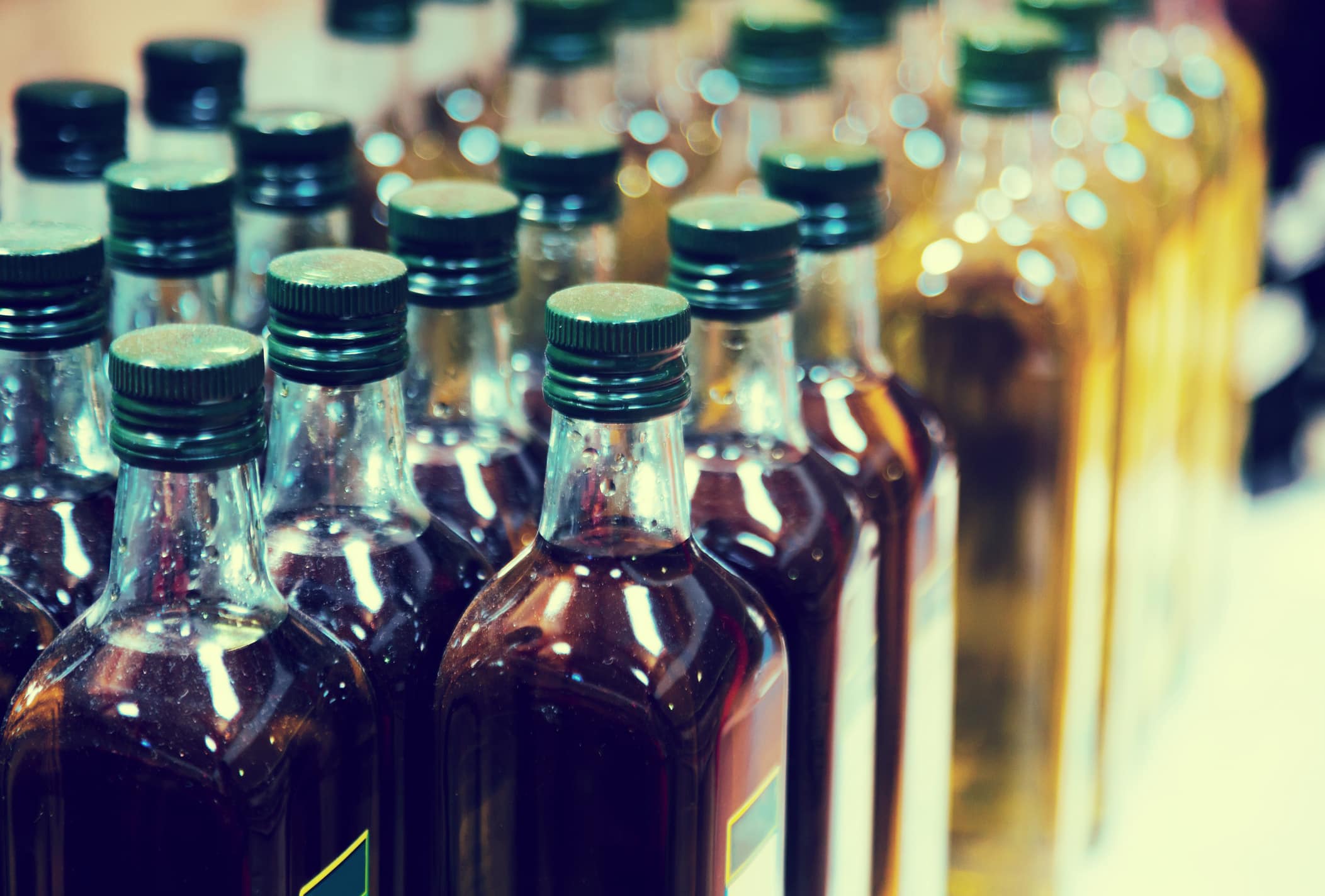
Celebrity chefs have made olive oil a $720 million business in the U.S., but one book is blowing the lid off an industry that might be built in part on the backs of crooks.
That’s the argument Tom Mueller makes in Extra Virginity: The Sublime and Scandalous World of Olive Oil.
Mueller told the New York Post. “He was speaking in this hushed tone, and I had to laugh, because this was not black-market plutonium or drugs, this was olive oil.”
Mueller contends that because true olive oil is so pricey to produce, some companies have resulted to doctoring bottles with chemicals and disguising cheaper oils with added flavoring. Then they slap on fancy labels with buzzwords like “Made in Italy” and “Cold-pressed” and ship them to stores without any rigorous quality control from the FDA, he says.
RELATED: How to Choose Olive Oil
Consumers spend an incredible $720 million per year on olive oil, according to the California Olive Oil Council. But, clearly, not all olive oil is created equally. Follow tips from COOC to be sure you know what you’re buying:
Here’s what to look for when you shop for olive oil.
“Extra-virgin” and “virgin“ olive oils are processed by crushing olives into a mash, which is pressed to extract the oil (this is called the first press) without the use of heat (called cold pressing).
Extra-virgin oils are of higher quality, as the olives used to make them are processed within 24 hours of picking—the longer olives go between picking and processing, the higher their free fatty acid content (extra-virgin olive oil can have up to 0.8 percent, virgin oils 2 percent). Extra-virgin oils also have more polyphenols than virgin oils.
Oils can be “filtered”—or not. Unfiltered oils have tiny particles of olive flesh in them, which reduces
shelf life, and may appear cloudy if those particles haven’t settled at the bottom of the bottle.
“Pure” or simply olive oil is below extra-virgin and virgin standards and is heavily processed to remove off-flavors and aromas. Though the oil still is a source of monounsaturated fat, it’s been stripped of healthful polyphenols.

“Light,” “lite” and “extra-light” are purely marketing terms used on highly refined oils that refer to mild flavor and/or color, not reduced calorie content.
“Product of Italy” means the oil was processed in Italy, not necessarily that the olives were grown there. You can find oils that use solely Italian olives—or olives from Greece or California.
Often made from olives from single estates or particular growing regions, these high-quality artisan oils have more distinct flavors—and are more expensive. When seeking out these oils, look for seals and designations as helpful indications of quality.
Denominazione d’Origine Protetta (DOP) in Italy, Appellation d’Origine Contrôlée (AOC) in France and Denomination of Origin (DOP) throughout the European Union (EU) identify products produced, processed and prepared in regions known for expertise in that particular product.
The California Olive Oil Council (COOC) and International Olive Council (IOC) certify and give their mark to quality extra-virgin olives oils, from California and the EU respectively, based on taste and quality.
Below are some (seven) of the highest rated** real olive oils:
**All ratings are from the last major testing and competition in 2012**
RELATED: Why Is Olive Oil So Good For You?
You might have heard that you can’t cook with extra-virgin olive oil because it breaks down when heated, creating harmful substances and destroying its beneficial properties. But all oils break down when they are heated to their smoke point or reheated repeatedly.
However, an oil’s smoke point is really a temperature range (olive oil’s is between 365-420°F), not an absolute number because many factors affect the chemical properties of oil.
You can safely and healthfully cook with any oil by not heating it until it’s smoking—to get your oil hot enough to cook with, heat it until it shimmers.
In a study, some bottles of the following brands failed to meet extra-virgin olive oil standards:
Remember, do your homework. Find a reputable company or source and buy small bottles from them.


By subscribing, you consent to receive emails from BlackDoctor.com. You may unsubscribe at any time. Privacy Policy & Terms of Service.