Living with psoriasis presents unique challenges, but with the right skincare routine, you can manage symptoms effectively and maintain healthy skin. This guide offers comprehensive insights into selecting suitable products, understanding environmental impacts, managing stress, and embracing self-confidence.
Use a Fragrance-Free Moisturizer: Opt for a moisturizer rich in emollients and humectants to lock in moisture and soothe dry, scaly skin. Fragrance-free options are less likely to irritate sensitive skin.
Apply Moisturizer After Bathing: Moisturize immediately after bathing or showering, while the skin is still damp, to help trap moisture and reduce dryness.
Choose Ingredients Wisely: Look for moisturizers containing hyaluronic acid, ceramides, or niacinamide, which can help repair and restore the skin’s natural barrier function.
Frequent Application: Apply moisturizer throughout the day, especially after washing hands or taking a bath, to keep skin hydrated and comfortable.
Sun Protection: Consider using a moisturizer with a built-in sunscreen to protect skin from the sun’s harmful rays and reduce the risk of flare-ups.
Choose fragrance-free products: Fragrances can irritate sensitive skin.
Opt for thick creams or ointments: These provide a better barrier against moisture loss compared to lotions.
Look for ingredients like ceramides and hyaluronic acid: These help restore the skin’s natural barrier and retain moisture.
For body washes, select gentle, soap-free cleansers that won’t strip the skin of its natural oils. Products containing salicylic acid can help reduce scaling by promoting the shedding of dead skin cells.
Night Routine: Restore, Repair, and Calm Flare-Ups
Goal: Heal damaged skin, reduce overnight itch, and deeply nourish.
1. Short Soak or Warm Shower (Optional)
Soak in a lukewarm oatmeal or Epsom salt bath for 10-15 mins (skip soaps). Pat—not rub—your skin dry.
Try: Aveeno Soothing Bath Treatment or a DIY colloidal oatmeal soak.
Avoid bubble baths or bath bombs—they often contain irritating fragrances or dyes.
2. Apply Prescription Treatment
Apply medicated ointments, salicylic acid gels, or tar-based creams only as prescribed.
Ask your dermatologist about rotation schedules to prevent steroid overuse (like week on/week off regimens).
3. Deep Moisture Lock
Layer a rich cream (like SheaMoisture Baby Eczema Therapy Balm) followed by an occlusive like petroleum jelly or Aquaphor on plaques. This is called “soak and seal.”
Great for overnight hydration and helps reduce scaling.
4. Targeted Scalp Treatment (If Needed)
Use coal tar shampoos, salicylic acid gels, or coconut oil for scalp plaques.
Try: MG217 Medicated Tar Shampoo (sulfate-free)
Or warm olive/coconut oil scalp massages for gentle flake lifting.
Once or twice a week, massage salicylic acid scalp treatment into hair before shampooing to soften scales and reduce itching.
Try: Neutrogena T/Sal Shampoo
2. Gentle Exfoliation
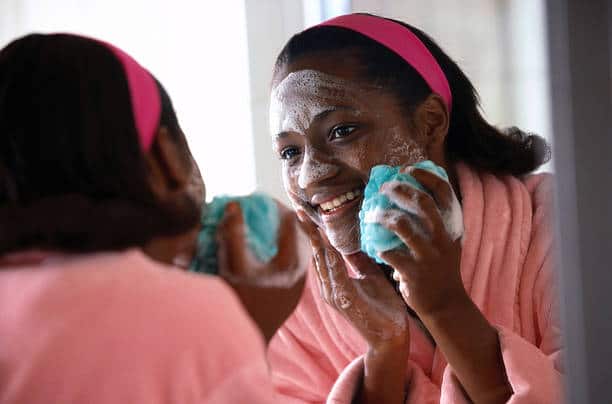
Use a wet washcloth or a soft konjac sponge to gently remove scales—not scrub.
Avoid harsh physical scrubs or brushes—they can trigger a Koebner response (new plaques from skin trauma).
3. Hydration Boost Mask
Use a fragrance-free sheet mask or overnight sleeping cream with colloidal oatmeal, shea butter, or glycerin once a week to combat flakiness and restore glow.
Products Created for Us, By Us
When possible, support brands that formulate with Black and Brown skin in mind:
Regular, controlled periods of sunlight exposure may help manage your symptoms and improve your general well-being.
In the winter months, when there are fewer hours of sunlight, your healthcare professional may be able to provide phototherapy treatments that can act as a UV light substitute. However, it’s crucial to:
Limit sun exposure: Aim for short periods (e.g., 10-15 minutes) and avoid peak sunlight hours.
Use sunscreen:Protect unaffected skin areas with a broad-spectrum sunscreen to prevent sunburn, which can trigger flare-ups.
Stress is a well-known trigger for psoriasis flare-ups. The body’s response to stress can lead to inflammation, exacerbating skin symptoms. “Managing stress as much as possible is always ideal,” Katy Burris, MD, board-certified dermatologist at Columbia University Medical Center in New York City, says. This is true for anyone, but especially for someone with psoriasis. “We don’t really know why stress causes [psoriasis and other] skin diseases to flare, but it really does,” Dr. Ferris says.
To manage stress:
Practice relaxation techniques: Incorporate activities like meditation, yoga, or deep-breathing exercises into your daily routine.
Maintain a healthy lifestyle: Getting outside for some exercise can also help you de-stress, with the bonus of some beneficial time in the sun. But you don’t have to overexert yourself. Even a brisk walk around your neighborhood may help relieve some stress and foster a sense of calmness and tranquility.
Seek support: Joining support groups or speaking with a mental health professional can provide coping strategies and emotional relief.
You Are More Than Your Skin
Psoriasis is a part of your journey, not your whole story. You are creative, bold, intelligent, beautiful, and worthy—exactly as you are.
Affirm that. Live that. And remind others, every chance you get.
BlackDoctor is the world’s largest and most comprehensive online health resource specifically for the Black community. BlackDoctor understands that the uniqueness of Black culture - our heritage and our traditions - plays a role in our health. BlackDoctor gives you access to innovative new approaches to the health information you need in everyday language so you can break through the disparities, gain control and live your life to its fullest.
✦ AI Search Disclaimer This AI-powered search tool helps you find relevant health articles from the BlackDoctor.org archive. Please keep the following in mind:
✦ For Informational Purposes Only The information provided through this AI search is for general educational and informational purposes only. It is not intended as a substitute for professional medical advice, diagnosis, or treatment.
✦ Always Consult a Healthcare Provider Never disregard professional medical advice or delay seeking it because of something you have read through this search tool. If you have a medical emergency, call your doctor or 911 immediately.
✦ AI Limitations This search tool uses artificial intelligence to help match your queries with articles in our archive. While we strive for accuracy, AI-generated results may occasionally be incomplete, outdated, or not fully relevant to your specific situation.
✦ No Doctor-Patient Relationship Using this search tool does not create a doctor-patient relationship between you and BlackDoctor.org or any healthcare provider.
Explore over 35,000 articles and videos across black health, wellness, lifestyle and culture