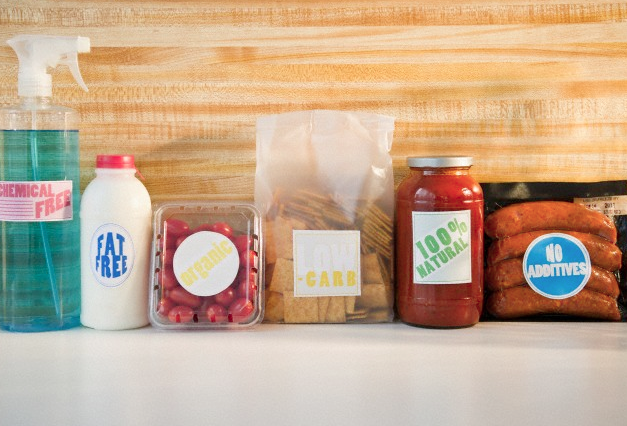
Pick up a box, can, package or jar at the grocery store. Any one will do.
Chances are, the words “fat-free”, “reduced-calorie”, “all-natural”, “vitamin-enriched”, etc. have been stamped somewhere onto it. And chances are, what you think those words mean isn’t actually the case.
So…what do those food labels really mean?
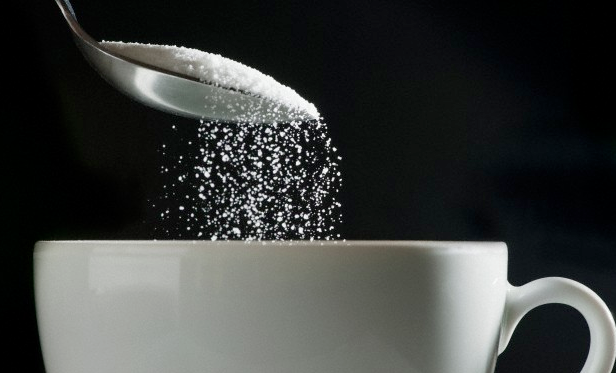
“With Natural Sweeteners”
Translation: This product has a lot of sugar. Experts agree that eating too much sugar in any form contributes to excess calories and potential weight gain. A better practice is to check the product label – ingredients like corn syrup, beet sugar, dextrose, can juice, fruit juice concentrate and malt syrup are all sugar. The American Heart Association recommends limiting added sugars to 100 calories (or six teaspoons) a day.

“Low-Fat”
Translation: There’s less fat, but it’s been replaced by something else, such as sugar, which helps the product maintain its flavor. Whatever the added ingredients are, know that they tend to be more processed, often making the lower-fat version not as less healthy as the original.
Concerned about unhealthy fats in your food? Eat heart-healthy fats (like monounsaturated fats found in avocados and chocolate and omega-3s in fatty fish) in sensible portions.
“Cholesterol-Free”
Translation: The cholesterol-free stamp is frequently used on plant-based foods that wouldn’t contain cholesterol anyway, since cholesterol is an animal product.
“Besides, research shows that dietary cholesterol doesn’t affect blood cholesterol levels the way we thought it did decades ago,” says Darya Pino Rose, PhD, author of Foodist.

“Reduced-Sodium”
Translation: Otherwise written as “low in sodium”, “less sodium”, “low sodium” or “light in sodium”, this statement means that the product contains less sodium than the original product. However, depending on how it’s stated, it can mean different things: “low in sodium” or “less sodium” means that the product contains at least 25% less sodium than the original; “light in sodium” means that the product contains 50% less than the original”, and “low sodium” means that the product contains 140 mg or less of sodium per serving.
In general, you should consider any food with 20% or more of your daily value (DV) for sodium a high-sodium food.
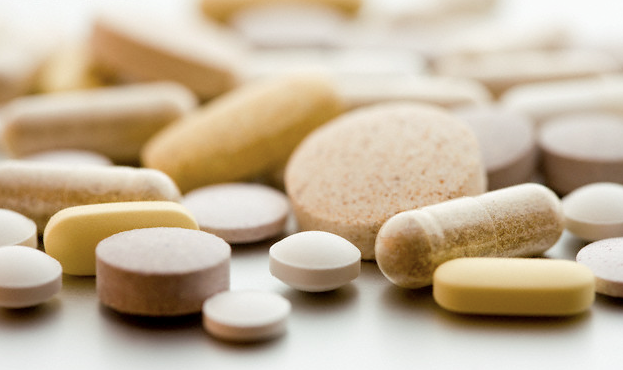
“Vitamin-Enriched”
Translation: Vitamins such as A, C, E and B-vitamins have been added to that box of cereal, that box of cookies, that package of snacks, etc.
“Science shows that separating vitamins and minerals from one food and putting them in another doesn’t offer the same disease-fighting benefits,” says Dr. Rose.
You should aim to get your vitamins, minerals and antioxidants from whole foods, including fruits, vegetables, dairy, whole grains and lean meats.

“Hormone-Free Chicken & Pork”
Translation: “Hormones aren’t approved for use in chicken or pork, so packages labeled hormone-free are true, but the animals wouldn’t have been given hormones anyway!” notes registered dietitian Ilyse Schapiro, who practices in the New York City area.
If you’re concerned about eating healthy and more eco-friendly, buy organic meats.
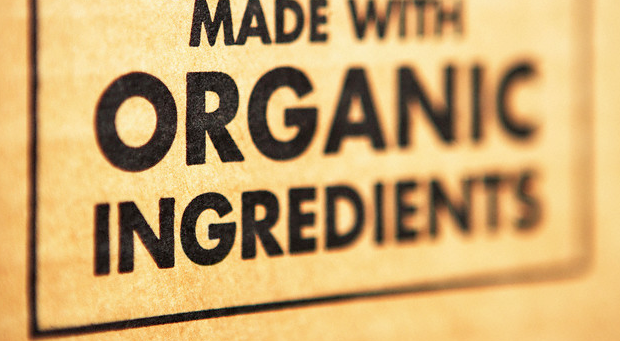
“Organic”
Translation: At least 70% of the ingredients are organic.
However, be cautious: A Cornell University study found that people thought organic snack foods contained up to 24% fewer calories, when, in fact, organic snacks often contain more calories. Many experts feel that while it’s important to buy organic when it comes to items like produce and meat, certain other organic products, such as organic snacks, are a waste of money.
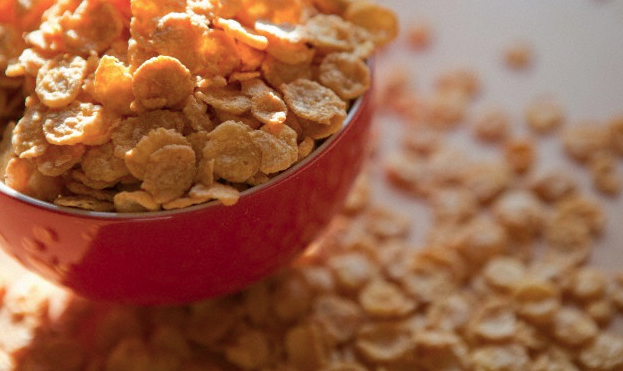
“Contains Whole Grains”
Translation: The food contains at least 8 g of whole grain per serving. If it carries the 100% Whole Grain Stamp, it means that all the grain ingredients are whole grains and the food contains at least 16 g of whole grains per serving.
Unfortunately, a Harvard School of Public Health study found that many foods with the Whole Grains Stamp are higher in total calories and sugar than those without the stamp. When choosing your grains, look for words like “100% whole grain wheat” or “whole wheat”, which signal whole grain. If it contains enriched or bleached ingredients, don’t buy it. Also, any whole grain product worth your money should contain at least 3g or more of fiber per serving.


By subscribing, you consent to receive emails from BlackDoctor.com. You may unsubscribe at any time. Privacy Policy & Terms of Service.