There’s a myth (especially in our community) that says aging well comes down to good genes and good luck. We say it about the auntie who’s still gardening at 82 and the uncle who takes the stairs two at a time. “It’s in their blood.”
But researchers who study healthy aging keep landing on something far less mysterious and far more encouraging: muscle. Not the ones most obvious, or even visible! The muscles that quietly determine whether you stay strong, steady, and independent over your lifetime are mostly ones you’ve never thought about.
Four of them do more predicting than the rest. Your grip. Your hip abductors. Your calves. Your diaphragm. None of them get much attention at the gym, and all four weaken over time if you’re not paying attention.
The good news is that each one responds to simple, accessible, everyday effort. No gym membership, no equipment, no hour you don’t have.
Starting in our 30s, we begin to lose muscle mass, and the decline accelerates after 60 if we don’t push back. That loss has a name: sarcopenia, and it’s linked to falls, frailty, longer hospital stays, and losing the ability to do everyday things independently.
Strength isn’t only about lifting. Muscle helps regulate blood sugar, supports bone density, keeps your metabolism running, and gives your body a reserve to draw on when illness or injury shows up. Researchers often find that muscle strength predicts long-term health outcomes better than weight or BMI does.
This matters for our community in particular. Black adults face higher rates of hypertension, diabetes, and stroke, conditions where mobility, circulation, and the ability to keep moving make an enormous difference. We need to start thinking about muscle not just as good looks, but as long-term protection.
So why these four muscles? Each one sits at a crossroads, doing a job that touches your heart, your balance, your breath, or your independence. And each one is easy to ignore until it’s already weak.
RELATED: Which Muscles & When? How to Structure Your Weekly Workout Split
It sounds almost too simple, but how hard you can squeeze says a striking amount about your overall health. Studies across tens of thousands of people have linked weaker grip strength to higher risk of heart disease, cognitive decline, and earlier death. Doctors sometimes call it a “biomarker of aging” because it reflects something bigger: your total muscle quality, your nervous system’s ability to recruit those muscles, and your general vitality.
Grip isn’t only driven by the hand. It runs up your forearm and connects into your shoulders and back, which is why it tracks so closely with full-body strength.
How to build it:
Put your hand on the side of your hip, just below the bone. Those are your abductors, the gluteus medius and minimus, and their job is keeping your pelvis level when you stand on one leg. We stand on one leg at a time all day while walking.
When these muscles weaken, your hip drops with each step, your knees drift inward, and your balance gets wobbly on uneven ground. This is how falls happen, and for older adults, a hip fracture from a fall can be the event that ends independent living, with recovery that stretches for months or never fully arrives.
Weak abductors also show up earlier in life as knee pain, IT band issues, and lower backaches. Your body compensates until it can’t.
How to build them:
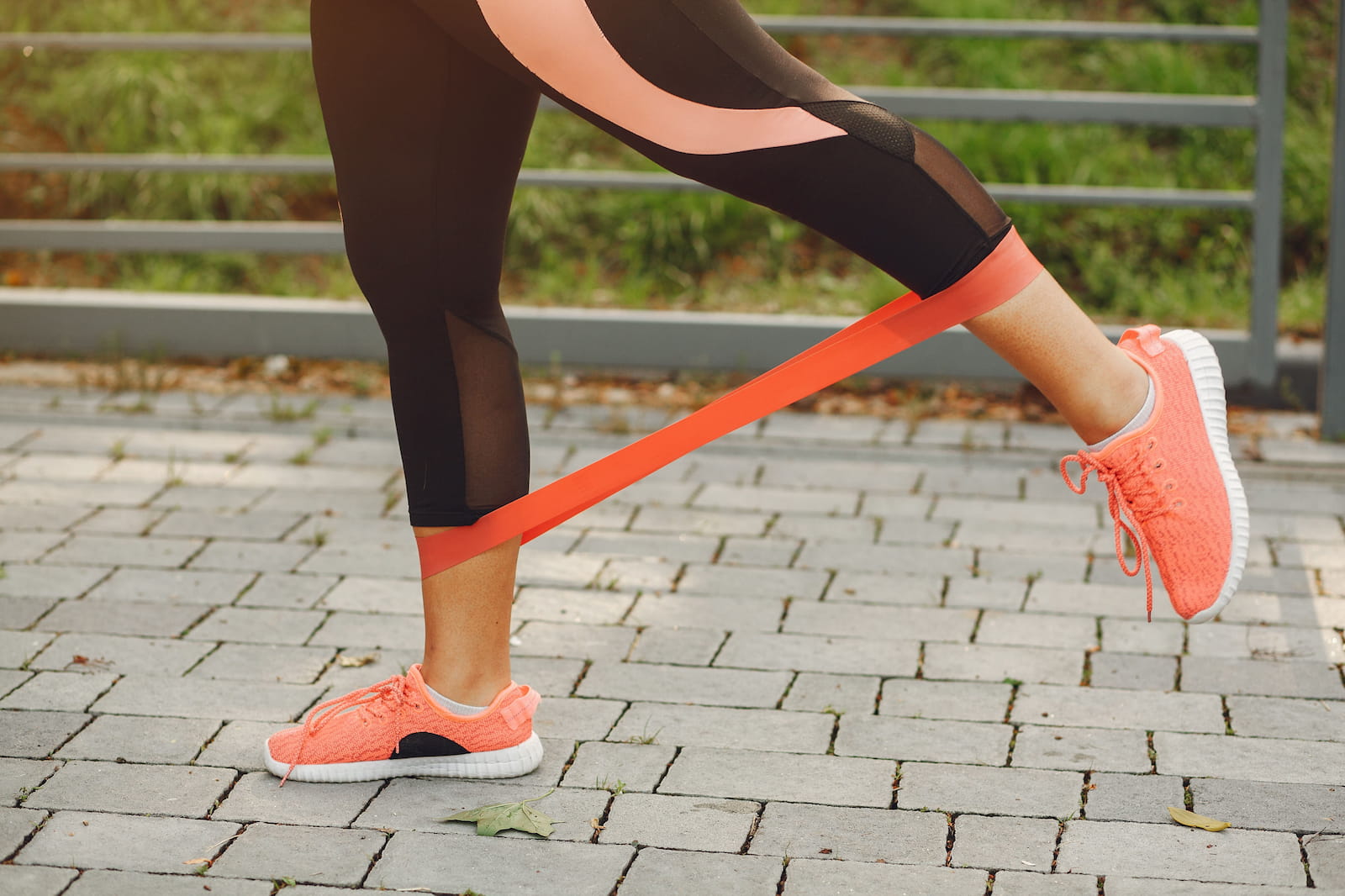
Your heart pumps blood down to your feet. But getting it back up, against gravity, takes help. Every time your calf muscles contract, they squeeze the deep veins in your lower leg and push blood back toward your heart. That’s why they’re nicknamed the “second heart,” and it’s why sitting for hours leaves your legs heavy and swollen.
Strong calves support healthy circulation, reduce swelling, and lower the risk of blood pooling in the lower legs. They also stabilize your ankles, and ankle stability is the difference between catching yourself on a curb and going down.
For anyone managing diabetes or circulation issues, this muscle group deserves extra attention.
How to build them:
RELATED: 5 Secrets To Building Strong Core Muscles
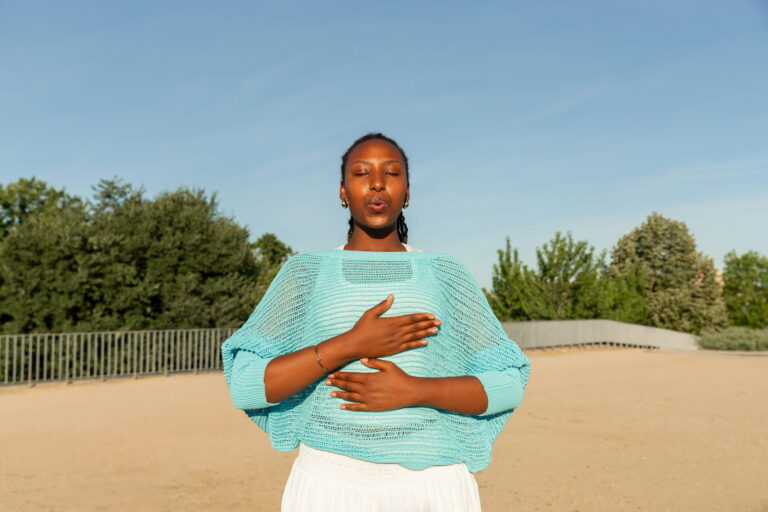
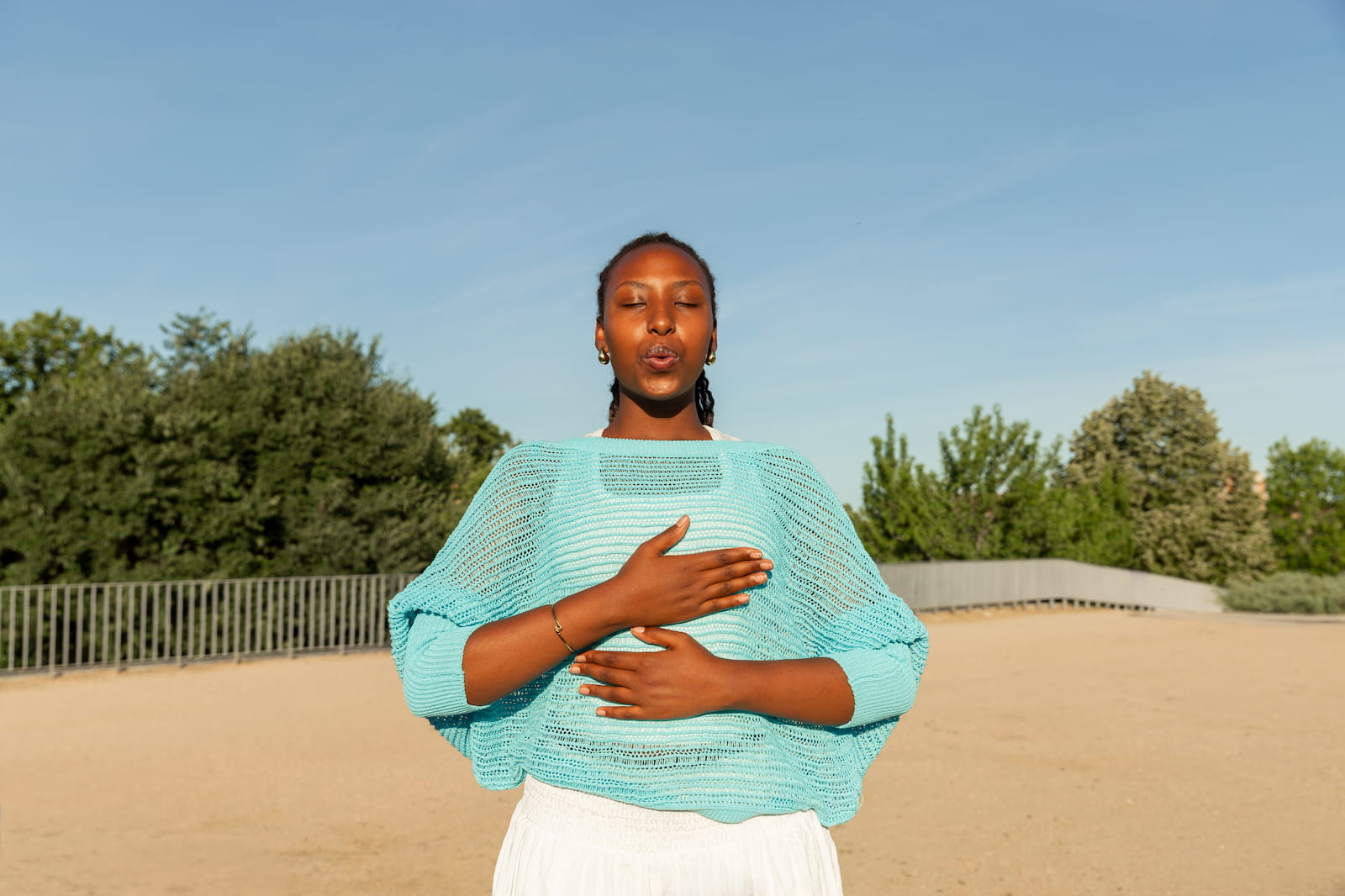
Under your lungs sits a dome of muscle that contracts roughly 20,000 times a day. Your diaphragm does most of the work of breathing, and like any muscle, it gets weaker when it’s underused.
Let this be yet another sign from us here at BlackDoctor to manage daily stress, since it trains us out of using the diaphragm. When you’re anxious or hunched over a screen, your breathing rises into your chest and gets shallow. Do that for years, and the diaphragm gets lazy while your neck and shoulder muscles pick up the slack, which is why so many people carry tension there.
A strong diaphragm improves oxygen delivery, stabilizes your core from the inside, and directly influences your stress response. Slow belly breathing activates the vagus nerve and shifts your nervous system out of fight-or-flight. It’s one of the few ways you can consciously tell your body it’s safe.
How to build it:
You don’t need to do all of this right away! Build one healthy habit at a time.
Pick one. Hang from a bar for 20 seconds. Balance on one foot while you brush your teeth. Do calf raises at the kitchen counter. Breathe into your belly for five minutes before bed. Then let it become the kind of thing you just do, the way you lock the door without thinking about it.
Aging well isn’t a lottery your genes either win or lose for you. It’s a hundred small deposits made over years, in muscles most people never think to train. The aunt still gardening at 82 probably isn’t lucky. She’s been making deposits this whole time.
You can start today.

By subscribing, you consent to receive emails from BlackDoctor.com. You may unsubscribe at any time. Privacy Policy & Terms of Service.