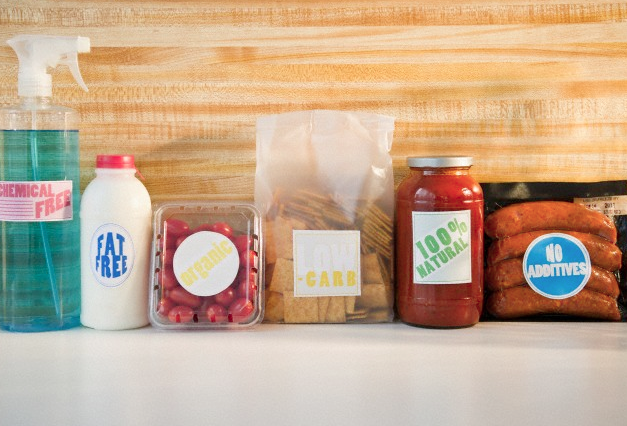
Labeling bills for genetically modified (GMO/GM) foods have been proposed in more than a dozen states over the last year, and an appeal to the Food and Drug Administration (FDA) last fall to mandate labels nationally drew more than a million signatures.
The most closely watched labeling effort is a proposed ballot initiative in California that is setting the stage for a probable November vote that could influence not just food packaging but the future of American agriculture.
Like what you’re reading? Then LIKE us on Facebook!
What Exactly Are GMO Foods?
GMO stands for Genetically Modified Organisms. The most frequent use of the term GMO is in relation to the food that we eat, in that many crops and factory-made foods are created from genetically modified ingredients. Genes from other plants, viruses, bacteria, animals, etc. are inserted into the genes of certain products such as corn to make them more stable and resistant to drought, disease and pesticides.
However, because of this cross-breeding, the safety of such foods has not been able to have been proven and other countries (and some counties in the U.S.) have banned the modified foods from being imported and/or grown.
Though the goal of GMO crops is to make them less susceptible to pests, more resistant to drought and stronger overall, the actual result is that stronger pesticides will be needed for the stronger weeds and disease, just as overuse of antibiotics has created stronger strains of disease in humans.
Even scientists from the FDA said that “The possibility of unexpected, accidental changes in genetically engineered plants” might produce “unexpected high concentrations of plant toxicants.”[1] GM crops, they said, might have R 20; Increased levels of known naturally occurring toxins, . . . appearance of new, not previously identified” toxins, and an increased tendency to gather “toxic substances from the environment” such as “pesticides or heavy metals.”
Prop 37 Ballot Initiative in California
If voters approve the initiative, California would become the first state to require disclosure of a broad range of foods containing genetically modified organisms, or GMOs.
California’s ballot initiative, Prop 37, would require most raw foods such as fruits and vegetables and processed foods by 2014 to bear the label “partially produced with genetic engineering” or “may be partially produced with genetic engineering.” Meat and dairy products would be exempt even if the animals are fed with biotech grains. Organic foods, restaurant meals and alcohol are also excluded.
Supermarkets and other retailers would be in charge of making sure products for sale are properly labeled. Spot checks would be carried out by California Department of Public Health inspectors. The nonpartisan California Legislative Analyst’s Office estimates that it could cost up to $1 million a year to regulate.
The initiative also allows individuals or groups to sue if they find food has been mislabeled. The California Grocers Association said supermarkets will do their best to comply if the measure passes, but noted it would be taxing on store owners. The group also fears being the target of lawsuits.
The Other Side Of The Argument
Monsanto, one company that has developed many of the GM seeds that now dominate the marketplace, says labeling would undermine consumer confidence in the food supply. The company also argues that it’s easy to avoid food containing GM ingredients by choosing organic products.
Many organic farmers are concerned that GM pollen may drift onto their fields, thus rendering them unable to sell their products under a non-GMO label.


By subscribing, you consent to receive emails from BlackDoctor.com. You may unsubscribe at any time. Privacy Policy & Terms of Service.