 (Photo: Courtesy of Gina Knight)
In 2012, after giving birth to her first child, Gina Knight found herself crying in the shower as she held the hair that was once attached to her head in her hands.
This wasn’t the first time she had experienced hair loss. Earlier that year, she noticed a small coin-shaped bald patch on her head. It caused her some concern, but she decided to put it to the back of her mind. However, as her pregnancy progressed, the patch began to spread and others appeared.
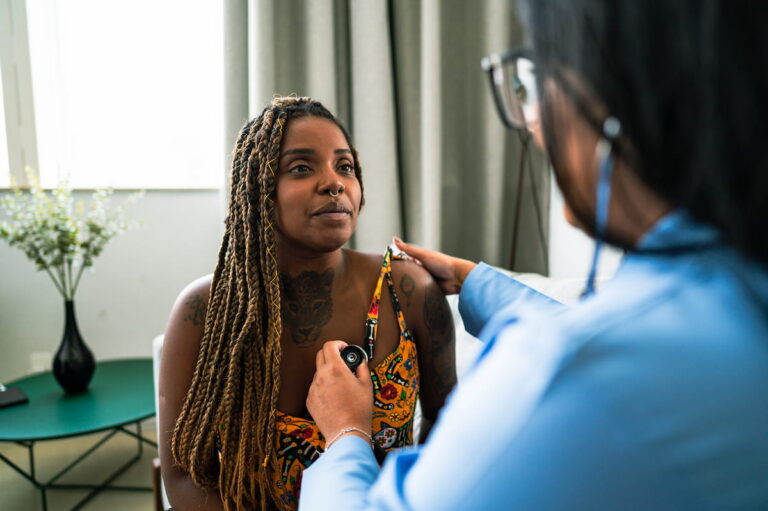
This time she decided to see a doctor who, without a second thought, blamed it on her hair practices. “Stop braiding your hair,” one doctor said; “Stop relaxing your hair,” said another.
The thing was, Knight was doing neither. In fact, she had spent the past four years growing a successful beauty blog, Natural Belle, where she talked about her journey to chemical-free Afro hair.
“My hair practices were actually pretty good — and yet, I had a head of beautiful, thick hair that was now rapidly falling out,” Knight says.
After being dismissed, Knight’s doctors went from diagnosing her hair loss as a “Black woman problem” to a “pregnant woman problem”. They told her hair shedding was normal so she trusted their judgment. Her hair loss worsened.
RELATED: Tried everything for your Alopecia? – Find out how the FPAC clinical trial may help!
Eventually, Knight decided to take matters into her own hands.
“Through my own research and a visit to a trichologist, I later found out that I had a rare form of alopecia called Central Centrifugal Cicatricial Alopecia (CCCA), an autoimmune condition that is likely genetic and affects mostly Black women,” Knight shares.
Knight says that overall, there is a lack of understanding of what people with alopecia have to go through.
“Women with hair loss have all been ridiculed. Countless women have contacted me saying they have been called names and bullied because of their hair or lack thereof,” Knight shares.
Knight, herself, has felt the impact of feeling self-conscious due to her condition.
“Early on, I wore wigs and extensions, using them as a crutch to hide my alopecia from the world. I became self-conscious of my hair loss, which led to social anxiety that I still deal with,” Knight adds. “I still find it hard to focus in social settings. I feel extremely self-conscious. I spent so many years hiding my hair loss and worrying about what people thought that I started to not go out and socialize.”
Like many Black women, Knight says so much of her identity was tied to her hair. Her hair was her creative outlet and without it, she felt lost. When she wore a wig, she felt like people were laughing at her.
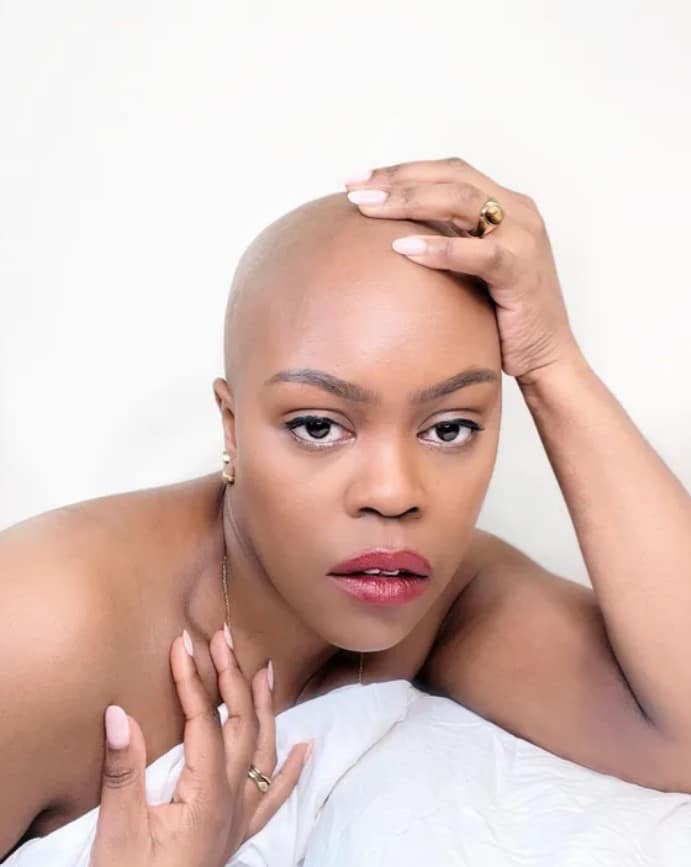
By 2018, Knight had lost more than half her hair, so she decided to shave it off. Although she was tired, she admits she wasn’t completely ready to do so.
“At first, I felt unattractive and became obsessed with perfection. I figured if I was bald, everything else had to be perfect. I lost a lot of weight.,” Knight recalls.
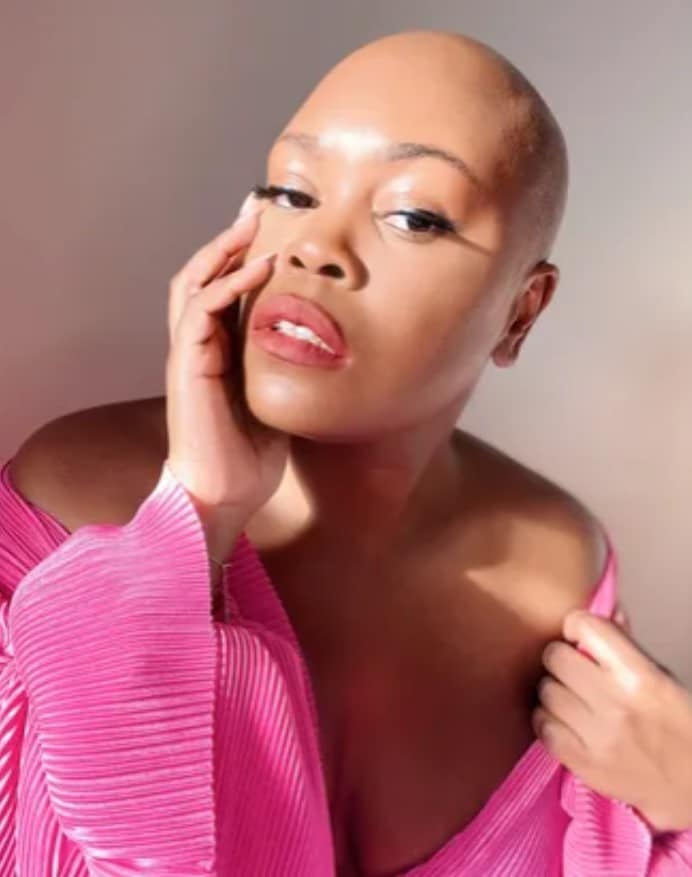 (Photo: Courtesy of Gina Knight)
Despite the wave of emotions she felt, Knight says shaving her head was her way of taking back control.
“The journey since has not been easy. I’ve been misgendered. I’ve been misdiagnosed. I’ve been misunderstood. Talking about my hair loss more openly left me open to ridicule and mean jokes about how I looked,” Knight shares.
However, she has been able to find solace in the community of people she met online. “Eventually, I started to connect online with more and more women on the same journey as me. This community has helped me feel less alone,” Knight adds.
Although Knight is in a good place now and has found power in embracing her baldness, she hasn’t completely tossed the wigs to the side. “I now have a business dedicated to them — I wear them as add-ons, not something to hide behind,” she says.
If you’ve noticed sudden hair loss, it is important to check with a doctor to see what’s causing it. There can be other reasons for it besides alopecia.
RELATED: Tried everything for your Alopecia? – Find out how the FPAC clinical trial may help!
Although alopecia isn’t usually a serious medical condition, it can cause a lot of anxiety and sadness. If you experience a shift in your mood due to hair loss, there are support groups available to help you deal with the psychological effects of the condition.


By subscribing, you consent to receive emails from BlackDoctor.com. You may unsubscribe at any time. Privacy Policy & Terms of Service.