
Hearing the words focal segmental glomerulosclerosis (FSGS) for the first time can feel overwhelming. Along with learning about medications, lab work, and appointments with a nephrologist, many people are suddenly told they may need to make changes to their diet. That’s often when the questions begin. What am I supposed to eat now? Do I have to give up all my favorite foods? What can I actually buy at the grocery store? It can feel like every trip down the grocery aisle suddenly comes with uncertainty.
For many people living with FSGS, grocery shopping becomes one of the most intimidating parts of managing the disease. Foods that once seemed harmless suddenly come with questions about sodium, protein, phosphorus, potassium, preservatives, and whether they’re helping—or hurting—your kidneys. The good news is that eating in a kidney-friendly way doesn’t require throwing out everything in your pantry or completely changing the way you eat overnight. Most people find that success comes from building a handful of consistent shopping habits instead of trying to be perfect.
According to the National Kidney Foundation, dietary recommendations for FSGS should always be individualized, but reducing excess sodium, choosing fresh foods more often, and working with a healthcare provider or renal dietitian can help support kidney health.
One of the simplest ways to make healthier choices is to begin planning before you ever leave home. Walking into the grocery store without a plan often leads to grabbing convenience foods that are quick, familiar, and, unfortunately, often loaded with sodium and preservatives. Instead, many people with kidney disease build their grocery lists around the meals they plan to cook during the week.
Before shopping, ask yourself a few simple questions. What meals am I making this week? What fresh produce do I need? Do I already have healthy protein options at home? What snacks can I keep on hand so I’m less tempted to stop for fast food after work? Spending just a few minutes answering these questions can make grocery shopping feel much less overwhelming.
Meal planning also saves money and reduces food waste. The National Kidney Foundation recommends planning meals ahead of time as one practical strategy for maintaining kidney-friendly eating habits over the long term.
One of the biggest surprises after an FSGS diagnosis is discovering just how much sodium is hidden in packaged foods. Many products don’t even taste particularly salty, yet they can contain hundreds of milligrams of sodium per serving. That’s why reading nutrition labels quickly becomes one of the most valuable skills people with kidney disease develop.
Rather than focusing only on calories, many shoppers begin with the sodium content first. Comparing labels often reveals surprising differences between products that appear nearly identical. One can of soup may contain nearly twice as much sodium as another brand. A loaf of bread or a bottle of salad dressing may contribute far more salt than expected. Looking for labels that say “low sodium,” “reduced sodium,” or “no salt added” can make it much easier to make healthier decisions.
RELATED: Weddings, Babies, Big Moves: Planning Life With FSGS
Many experienced shoppers with kidney disease swear by one simple strategy: shop the perimeter first. In most grocery stores, the outer aisles are where you’ll find fresh produce, lean meats, fish, eggs, and dairy products. These foods tend to be less processed than many of the packaged items found in the center aisles.
While not every fresh food is appropriate for everyone with FSGS, many nephrologists encourage choosing whole foods whenever possible. Fresh ingredients also allow you to control how much salt and seasoning go into your meals, something that’s much harder to do with frozen dinners or heavily processed foods.
The National Institute of Diabetes and Digestive and Kidney Diseases (NIDDK) notes that individualized nutrition plans emphasizing fresh ingredients can play an important role in managing kidney disease.
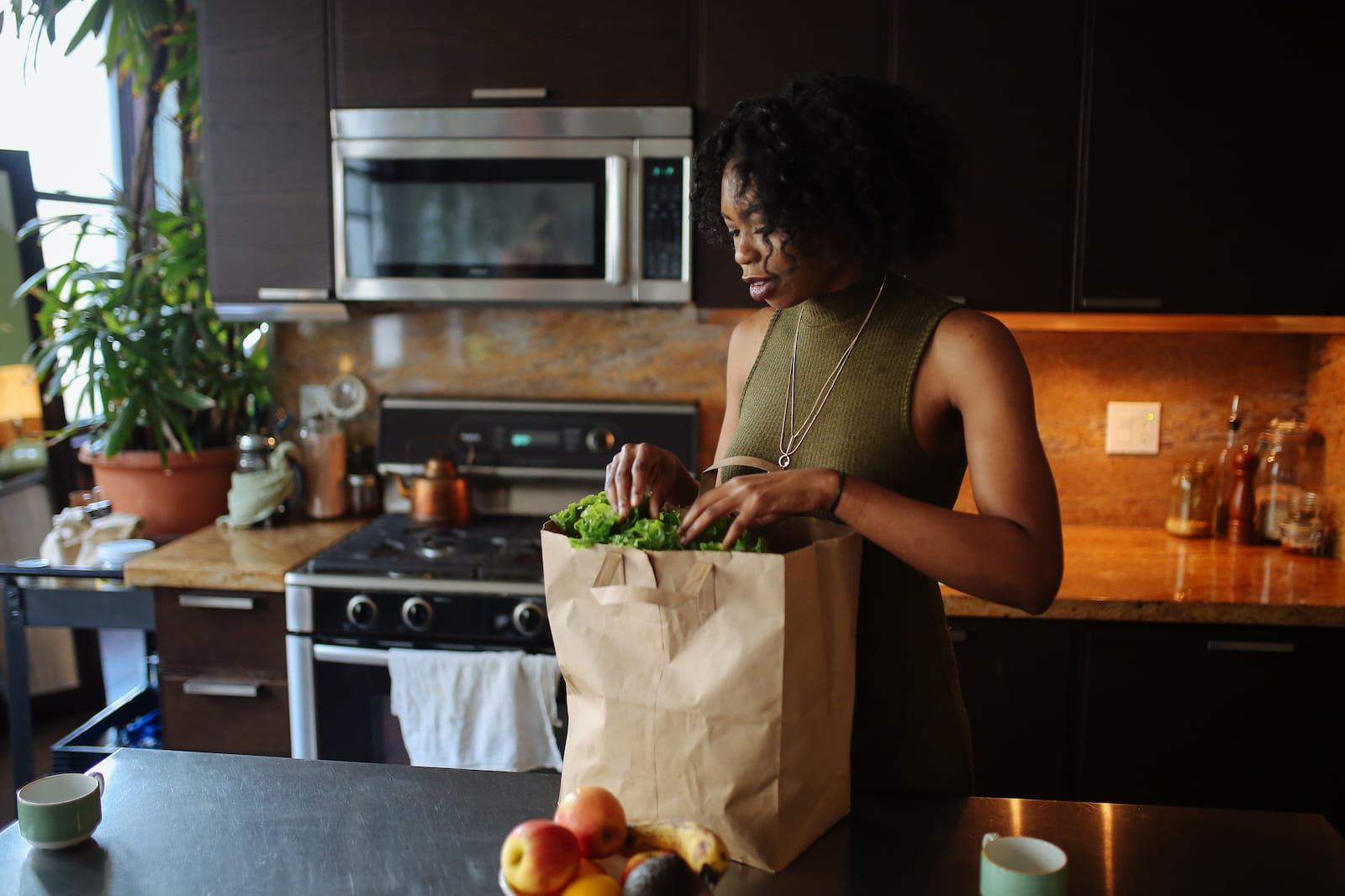
One of the easiest ways to reduce the stress of grocery shopping is to identify a handful of foods you know work well for your body and keep them stocked at home. While every person’s nutrition needs are different, many people with FSGS build meals around fresh vegetables, fruits that fit their potassium recommendations, skinless chicken, turkey, fish, egg whites, rice, pasta, olive oil, garlic, onions, herbs, lemons, and unsalted pantry items.
Fruits to Consider
Vegetables to Consider
Keeping these staples on hand makes meal preparation much less stressful because you’re not starting from scratch every evening, wondering what you can safely eat. Instead, you can rotate familiar recipes throughout the week and make small adjustments as needed. A renal dietitian can help personalize this list even further based on your lab results and overall kidney function.
RELATED: Working Full-Time With FSGS: Tips for the Tough Days
When most people think about salty foods, they picture potato chips or pretzels. In reality, some of the biggest sources of sodium are foods that don’t taste salty at all. Bread, breakfast cereals, canned vegetables, frozen meals, pasta sauces, salad dressings, deli meats, cheese, and even restaurant meals can contribute large amounts of sodium throughout the day.
The American Heart Association explains that most of the sodium people consume comes from packaged and prepared foods—not from the salt shaker on the table. Learning to compare nutrition labels rather than assuming one product is healthier than another often reveals opportunities for simple swaps that can significantly reduce sodium without sacrificing convenience or flavor.
Fresh vegetables are wonderful, but they aren’t the only healthy option. Frozen fruits and vegetables can be just as nutritious because they’re often frozen shortly after harvest, helping preserve many of their nutrients. They’re also affordable, convenient, and less likely to spoil before you can use them.
The key is choosing plain frozen vegetables rather than varieties covered in butter or cheese sauces or seasoned with heavy-flavor packets. Plain frozen vegetables let you eat seasonal meals yourself and control sodium intake, making healthy eating much easier on busy weekdays.
When people hear “meal prep,” they often imagine spending an entire Sunday cooking dozens of meals. Fortunately, it doesn’t have to be that complicated. Many people with FSGS simply prepare a few ingredients in advance. Grilling several chicken breasts, washing and chopping vegetables, cooking a batch of rice, or portioning healthy snacks into containers can make weekday meals much quicker without requiring hours in the kitchen.
Even thirty minutes of preparation can reduce stress during the workweek and make it much easier to avoid fast food or processed convenience meals when you’re tired.
Reducing sodium doesn’t mean your meals have to taste bland. In fact, many people discover entirely new flavor combinations after they begin experimenting with herbs and spices. Garlic, onion, black pepper, paprika, rosemary, thyme, parsley, lemon juice, lime juice, vinegar, and fresh herbs all add bold flavor without relying on excessive salt.
Over time, many people notice that their taste buds begin to adjust. Foods they once thought needed extra salt begin tasting naturally flavorful on their own.
It sounds almost too simple to matter, but shopping while hungry can make healthy eating much harder. Research consistently shows that hungry shoppers are more likely to buy highly processed, calorie-dense foods on impulse. Eating a small meal or snack before heading to the grocery store can help you stay focused on your shopping list and make more intentional decisions instead of grabbing whatever looks appealing in the moment.
Perhaps the most important grocery shopping habit has nothing to do with food at all—it’s patience. Learning how to shop differently takes time. You’ll accidentally buy foods that contain more sodium than you expected. You’ll forget to check labels. You’ll make mistakes, and that’s perfectly normal.
Managing FSGS is a learning process, not a test you either pass or fail. Every shopping trip teaches you something new, and over time, those healthier choices become habits rather than chores. Progress—not perfection—is what protects your kidneys in the long run.
It’s also important to remember that there is no single “FSGS diet” that works for everyone. Nutritional recommendations vary depending on kidney function, blood pressure, protein in the urine, lab values, medications, and other health conditions. That’s why organizations like the National Kidney Foundation encourage people with kidney disease to work with a registered renal dietitian whenever possible.
A renal dietitian can help personalize your nutrition plan, so you’re not unnecessarily eliminating foods or missing important nutrients. The goal isn’t simply to protect kidney function—it’s to support your overall quality of life and help you feel confident in your food choices.
If your nephrologist doesn’t have a recommendation, the next best place to look is the National Kidney Foundation (NKF) CKD Dietitian Directory.
Tips for using this directory:
An FSGS diagnosis can make grocery shopping feel intimidating at first, but it doesn’t have to stay that way. By planning meals ahead of time, learning to read nutrition labels, choosing fresh ingredients more often, watching for hidden sources of sodium, and keeping a kitchen stocked with reliable staples, grocery shopping gradually becomes less stressful and much more manageable.
Most importantly, remember that every trip to the grocery store is another opportunity to care for your health—not another chance to get something wrong. You don’t have to make perfect choices every single time. You simply have to keep making better ones. Protecting your kidneys isn’t about one meal or one shopping trip. It’s about building sustainable habits that support your health – one grocery cart, one recipe, and one day at a time.


By subscribing, you consent to receive emails from BlackDoctor.com. You may unsubscribe at any time. Privacy Policy & Terms of Service.
Enter your name and email to receive the download link.