Menu

Have Diabetes? Here’s How to Save Your Sight

Table of Contents
diabetic retinopathy

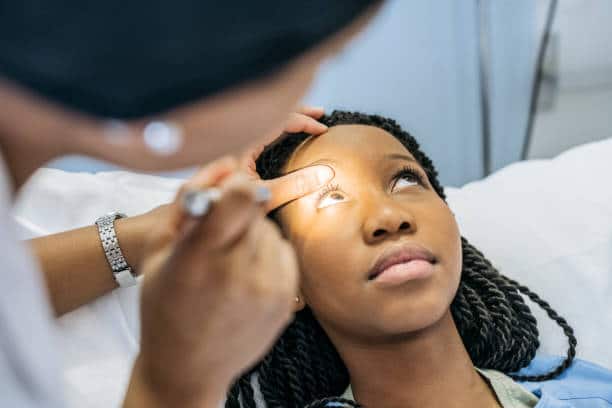
Managing your diabetes can be tough, but your eyes might thank you for it. Diabetic retinopathy is a diabetes complication that damages the retina’s blood vessels, often resulting in vision loss and blindness. The condition occurs in more than half of people with diabetes. A recent study estimated that diabetic retinopathy will affect over 1 million Black Americans by 2030.

Diabetic Retinopathy: 1.2 Million African Americans To Be At Risk By 2030

In total, it affects nearly 8 million Americans and that number is expected to double by 2050, according to an American Society of Retina Specialists (ASRS) news release to mark Diabetic Eye Disease Awareness Month in November.

“With new technologies that aid in early diagnosis and breakthroughs in treatment, we’ve entered a new era in which no one with diabetes needs [to] suffer the devastating effects of diabetic retinopathy,” ASRS president Dr. Philip Ferrone says in a society news release.

“With more awareness about the condition, including the common risk factors and symptoms to watch for, everyone with diabetes can be armed with the information they need to preserve their sight,” Ferrone adds.

Who’s a risk of developing diabetic eye disease?

Anyone with diabetes — including type 1, type 2 and gestational diabetes — is at risk of developing diabetic retinopathy.

The longer a person has diabetes, the greater their risk.

Other factors that increase the risk include:

  • poor control of blood sugar levels over time
  • high blood pressure
  • kidney disease
  • high cholesterol levels
  • pregnancy

Diabetic Eye Disease: 4 Stages To Protect Your Eyes

Symptoms

Many people have diabetic retinopathy for a long time without symptoms. By the time symptoms appear, there may be significant damage.

Symptoms may include:

  • blurred or distorted vision
  • difficulty reading
  • spots or “floaters” in your vision
  • a shadow across the field of vision
  • eye pressure
  • difficulty with color perception

People with any of these symptoms should get checked as soon as possible.

Treatments

Treatments for diabetic retinopathy include intravitreal (inside the eye) injections, laser treatments and surgery.

People at risk for diabetic retinopathy can protect their vision by:

  • controlling blood sugar, blood pressure and cholesterol
  • maintaining a healthy weight
  • taking all prescribed diabetes medications
  • getting regular dilated retina exams
  • quitting smoking
  • staying active

“From focusing on healthy lifestyle habits to making regular dilated retina exams a priority, there are many ways people with diabetes can maintain excellent vision for life,” Ferrone concludes.


 

SHARE
Related Stories
Answer the question below

Gout Survey

People with gout often have sudden, painful flares of joint swelling and redness. How many gout flares have you experienced in the last 12 months?
Have you ever received intravenous medicine for your gout?

Get our Weekly Newsletter

Stay informed on the latest breakthroughs in family health and wellness. Sign up today!

By subscribing, you consent to receive emails from BlackDoctor.com. You may unsubscribe at any time. Privacy Policy & Terms of Service.

More from BlackDoctor

Where Culture Meets Care

BlackDoctor is the world’s largest and most comprehensive online health resource specifically for the Black community. BlackDoctor understands that the uniqueness of Black culture - our heritage and our traditions - plays a role in our health. BlackDoctor gives you access to innovative new approaches to the health information you need in everyday language so you can break through the disparities, gain control and live your life to its fullest.
×

Download PDF

Enter your name and email to receive the download link.

BlackDoctor AI Search
✦ AI Search Disclaimer
This AI-powered search tool helps you find relevant health articles from the BlackDoctor.org archive. Please keep the following in mind:
✦ For Informational Purposes Only
The information provided through this AI search is for general educational and informational purposes only. It is not intended as a substitute for professional medical advice, diagnosis, or treatment.
✦ Always Consult a Healthcare Provider
Never disregard professional medical advice or delay seeking it because of something you have read through this search tool. If you have a medical emergency, call your doctor or 911 immediately.
✦ AI Limitations
This search tool uses artificial intelligence to help match your queries with articles in our archive. While we strive for accuracy, AI-generated results may occasionally be incomplete, outdated, or not fully relevant to your specific situation.
✦ No Doctor-Patient Relationship
Using this search tool does not create a doctor-patient relationship between you and BlackDoctor.org or any healthcare provider.
Explore over 35,000 articles and videos across black health, wellness, lifestyle and culture
Full AI Search Experience >