At a time when medical advancements are soaring, one question remains: Who truly benefits?
At BlackDoctor.org’s second annual “State of Black Health: What Now” Summit, a powerhouse panel tackled the urgent need for health equity, innovation, and access to life-saving treatments. Health business leaders made a compelling case: achieving health equity is not just a moral obligation—it’s a business imperative.
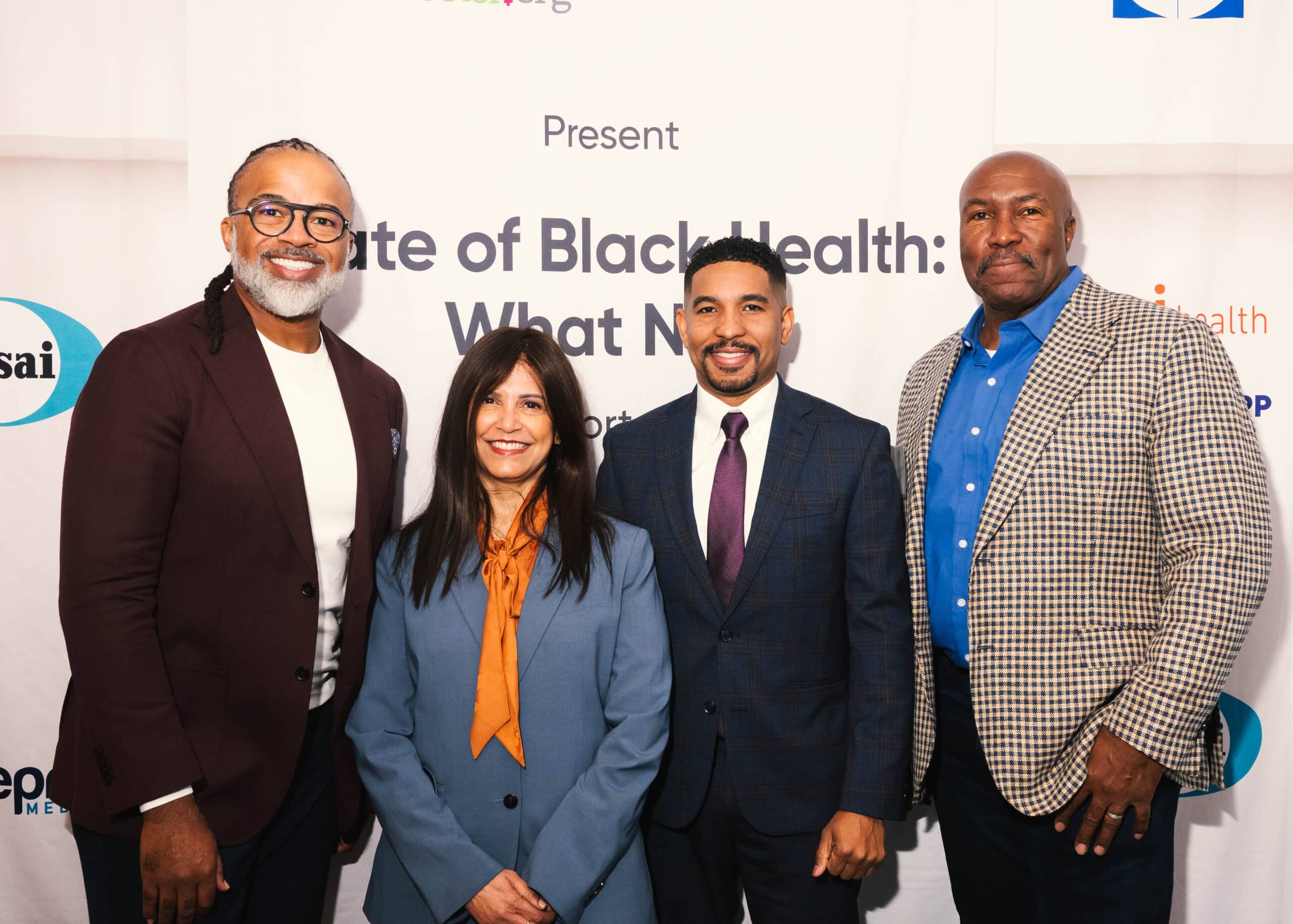
The panel, “Health Equity is a Business Imperative,” was hosted by USA TODAY in collaboration with BlackDoctor.org (BDO) and moderated by Charisse Jones, USA TODAY’s money and consumer news editor.
Leaders from Gilead Sciences, JPMorgan Chase’s Morgan Health, and Eisai US explored opportunities to advance health equity through HIV medicine innovation, digital health investments, and clinical trials.
“We really have to lean into how health equity impacts business… really reframing it, it’s not about a social imperative, it is about a business imperative,” said Rashad Burgess of Gilead Sciences.
Burgess emphasized that while many urgent issues demand attention, Black communities continue to face disproportionate health burdens and require meaningful investment.
Shobha Dhadda stressed the need for diverse participation in clinical trials, explaining that different races and ages react differently to medications.
She acknowledged the historical distrust the Black community has toward the medical system and described Eisai US’s efforts to rebuild trust in clinical trials, particularly for Alzheimer’s disease research.
“We realized the very first step that we had to take was to build trust and credibility with the community,” Dhadda said.
To achieve this, Eisai US:
The healthcare industry is currently buzzing about artificial intelligence (AI) and GLP-1s (drugs like Ozempic for obesity and diabetes), but Brandon Batiste argued that one key element is being left out:
“I will say that across all themes, the big piece that’s been missing has been health equity,” he said.
Batiste sees health equity as an untapped area for investment in digital health, urging industry leaders to consider how new technologies can be leveraged to bridge gaps in healthcare access and outcomes.

Black communities make up the majority of new HIV diagnoses yet represent only 14 percent of those taking PrEP (HIV prevention medication). Stigma and adherence issues prevent many from accessing this life-saving treatment.
Rashad Burgess described how Gilead’s investigational injectable PrEP, Lenacapavir, could change the game. Unlike the daily PrEP pill, Lenacapavir is taken just twice a year, offering greater privacy and ease of use.
“They are able to have anonymity and privacy in doing that,” Burgess said. “This is a game changer.”
Gilead has submitted an application for FDA approval, with a decision expected later this year.
When asked about the most important next steps, panelists stressed the need to implement existing frameworks, scale solutions, and foster partnerships.

The discussion ended with a bold call to action for businesses, healthcare providers, and policymakers: health equity must be a priority—not just ethically, but economically.
As Burgess put it: “This isn’t just about doing what’s right—it’s about making healthcare work for everyone.”
The panel reinforced the urgency of ensuring that advancements in medicine and technology benefit all communities, especially those historically underserved.
With breakthroughs in HIV prevention, AI-driven healthcare, and digital health investments, the future of healthcare could be more inclusive—if leaders commit to action.
The question remains: Will they?


By subscribing, you consent to receive emails from BlackDoctor.com. You may unsubscribe at any time. Privacy Policy & Terms of Service.