If you or someone you love is living with diabetes, you already know it’s more than just a condition—it’s a daily commitment. From checking blood sugar and taking medication to planning meals and managing stress, it can feel like a job you never clock out of.
And for many in our community, that journey comes with added challenges: delayed diagnoses, unequal access to care, and treatments that don’t always reflect our unique experiences. That’s why more Black patients and caregivers are beginning to explore something that, for a long time, was met with skepticism: clinical trials.
Before you tune out, hear this clearly—this isn’t about being a “test subject.” It’s about being part of something bigger: helping shape the future of diabetes care for yourself, your family, and generations to come.
Many of us carry valid concerns when it comes to medical research. Historical wrongs like the Tuskegee Study left lasting scars, and too often, clinical research hasn’t included enough Black participants. The result? Treatments and technologies that don’t always work as well for our bodies or our communities.
But here’s what’s changing:
Today’s clinical trials are governed by strict ethical protections to keep participants safe and informed.
More Black doctors, researchers, and advocates are leading and shaping the studies themselves.
Many trials now actively seek diverse participation to ensure the results benefit everyone—not just a select few.
This isn’t about forgetting the past. It’s about stepping into the future with knowledge, power, and choice.
RELATED: 5 Tips for Cutting Costs on Diabetes Management
Whether you have Type 1 or Type 2 diabetes—or you’re caring for someone who does—there are promising clinical trials underway in 2025 that could change the way diabetes is managed.
AI-Powered Insulin Delivery (UVA)
A new study at the University of Virginia is testing an AI-powered insulin delivery system that learns your body’s patterns and adjusts insulin automatically, reducing the guesswork that so often comes with managing T1D.
Cellular Therapies and Stem Cell Education
Researchers are exploring ways to “teach” the immune system to stop attacking beta cells, moving us closer to a future where Type 1 diabetes could be functionally cured.
Preserving Insulin Production (DIAGNODE-3 at UCSD)
This trial is testing a drug called Diamyd to see if it can protect newly diagnosed patients’ ability to make their own insulin, helping them maintain better control over time.
RELATED: Diabetes Shots Don’t Have to Hurt: Here’s How
Oral GLP-1 and Dual Hormone Therapies
New medications are being developed that combine hormonal effects to improve blood sugar control and weight management—without daily injections.
Insulin Resistance (PATAS)
A potential new drug called PATAS aims to “reset” how fat cells use insulin, tackling insulin resistance at its source. Human trials are expected to begin in 2025.
Cardiovascular Disease and T2D (UCLA)
UCLA researchers are testing a combination of Vicadrostat and empagliflozin for people with Type 2 diabetes, high blood pressure, and cardiovascular disease—conditions that impact Black communities at higher rates.
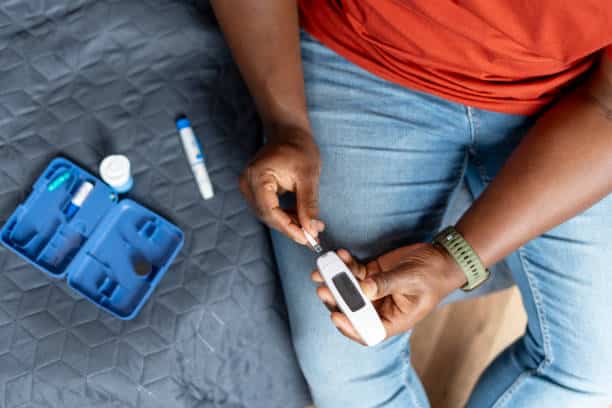
Participating in a clinical trial is always a personal decision. If you’re curious, here are a few ways to get started:
Talk to Your Doctor
Your healthcare provider can help identify trials that fit your medical situation and walk you through the risks and benefits.
Search Clinical Databases
Visit Blackdoctor.org/clinical-trials-resource-center/ or ClinicalTrials.gov and search for “Type 1 diabetes,” “Type 2 diabetes,” or related terms to see active trials.
Check University and Foundation Websites
Leading institutions like UCLA, UCSF, UVA, and major diabetes foundations regularly post recruitment information for ongoing studies.
Representation in research isn’t just important—it’s essential. When Black communities are underrepresented in clinical trials, we risk being left out of tomorrow’s breakthroughs. But when we participate, the science gets stronger. Treatments become more effective. And future generations have access to care that’s built with us in mind.
Taking part in a clinical trial doesn’t mean giving up control. You’ll receive clear information every step of the way, and you can withdraw at any time. In many cases, participants also gain access to cutting-edge therapies before they’re widely available.
Living with diabetes takes strength, resilience, and daily commitment. Exploring clinical trials is simply another way to take charge of your health story—and help rewrite the story for our community.
If you’ve ever thought, “I wish they made something that worked better for people like me,” this is your chance to be part of that change.
This article is for general knowledge and informational purposes only. It is not medical advice. Always consult your healthcare provider before participating in any clinical trial.


By subscribing, you consent to receive emails from BlackDoctor.com. You may unsubscribe at any time. Privacy Policy & Terms of Service.