In 1950, a medical journal held the belief that Black people could not perceive pain or recognize the signs of a potential heart attack. This greatly reduced the trust that Black people may have in White doctors to listen to their suffering and provide adequate treatment. Some white medical students have the misconception that Black people are inherently less sensitive or have stronger skin. Inadequate treatment of minorities’ suffering is fueled by incorrect concepts and hidden prejudices, according to experts.
Racial tensions have always been an intricate part of American society’s fabric. Because slavery was a “peculiar institution” in the United States, discussions on race often center on Black people’s actual experiences. “Some white Southerners asserted, and many others thought that Blacks were medically distinct from whites and hence in need of special care,” medical historian Todd Savitt says. In this setting, the particular treatment served as a veneer of medical authority that bolstered the common belief that African-descended individuals were a different species and could be legitimately treated as “chattel” or enslaved people. Even though slavery has been abolished in the United States for four centuries, the legacy of the racist view that Black people are “less than” human persists.
“White medical instructors and researchers depended largely on the availability of African American patients… for dissection, surgery, and bedside demonstrations.” This is where modern-day Black people’s distrust and apprehension of doctors and hospitals begin. One source of racial bias in the medical field is this. Tragically, our healthcare delivery system still harbors many attitudes that date back to slavery and Jim Crow. Major studies, such as the Heckler Report and Unequal Treatment: Confronting Racial and Ethnic Disparities in Health Care, have shed light on these attitudes occasionally.
Although the country made great strides toward equality with the promise of liberation from slavery in 1863, Black people were still not treated fairly. Health inequalities are a clear indicator of the pervasive racism and prejudice that endure in our society. There is a dearth of consistent documentation of Black people’s health, despite the large amount of data showing that minority groups in the US have shorter life expectancies and more health problems overall compared to Whites. “The classic histories and the best-known descriptions of the Black situation [during slavery] give nothing more than anecdotal evidence on Black health and Black death,” said a 1977 assessment by Lee and Lee.
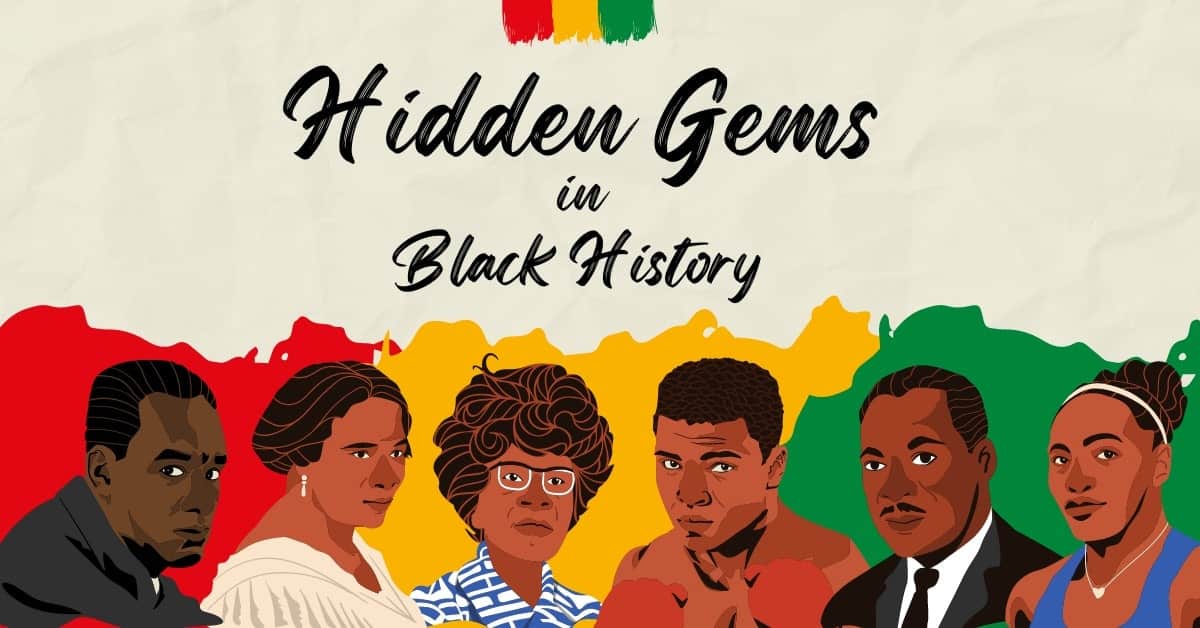
This is a part of our new series – “Hidden Black History,” where we highlight uncommon facts throughout Black history. Join us every day during Black History Month for interesting facts about Black people and places you likely haven’t heard before!


By subscribing, you consent to receive emails from BlackDoctor.com. You may unsubscribe at any time. Privacy Policy & Terms of Service.