Maintaining a balanced and nutritious diet is crucial for everyone, but it’s especially important for those living with HIV. A well-planned diet can help boost your immune system, manage symptoms, and improve overall well-being.
In fact, HIV treatment teams often include dietary counselors, who underline the importance of adjusting nutrition and calorie needs depending on how a person responds to Antiretroviral Therapy (ART), Everyday Health notes. Those living with HIV may also require more calories to maintain a healthy weight than someone without HIV, according to the Academy of Nutrition and Dietetics.
“For people living with HIV, a healthy diet helps lower the likelihood of developing heart disease, cancers, and other conditions, while improving the quality of life,” Allison Webel, Ph.D., RN, professor and associate dean for research at UW School of Nursing in Seattle, tells Everyday Health.
Let’s take a closer look at what you should eat when you have HIV and what you should avoid.
Aim to include a colorful array of fruits, vegetables, whole grains, lean proteins, and healthy fats in your meals. This ensures you receive a wide range of vitamins, minerals, and antioxidants that support your immune system and overall health.
Antiretroviral drugs used to treat HIV can cause bone demineralization (weakened bones) and increase cholesterol and triglyceride levels. A nutrient-rich diet can help combat some of these side effects.
The following are great sources of nutrition:
RELATED: The Ultimate Nutrition Guide for People Living with HIV/AIDS
Incorporate lean protein sources into your diet. These foods provide essential amino acids that aid in repairing and building tissues, helping your body stay strong.
The Academy of Nutrition and Dietetics recommends that people with HIV include protein-rich foods at all meals, such as lean beef, organic chicken, turkey, oily fish, eggs, fat-free and low-fat dairy foods, or from nuts and nut butters, beans, and seeds. Protein-dense options derived from soybeans, like edamame and tofu, are also great options for your HIV diet, according to Johns Hopkins Medicine.
The American Academy of Nutrition and Dietetics cautions against eating raw or undercooked meat, fish, and eggs and unpasteurized dairy products, which can cause foodborne illness. You should also use separate knives and cutting boards for raw meats and produce.
Dr. Webel tells Everyday Health, you should aim to consume 1 to 1.4 grams of lean protein per kilogram of weight daily. “This can be a combination of plant and animal sources of protein depending on the Individual’s preferences and food accessibility,” she says.
Healthy fats, like those found in avocados, nuts, seeds, and olive oil, are beneficial for your heart health and can help you maintain a healthy weight. They also contribute to better absorption of fat-soluble vitamins.
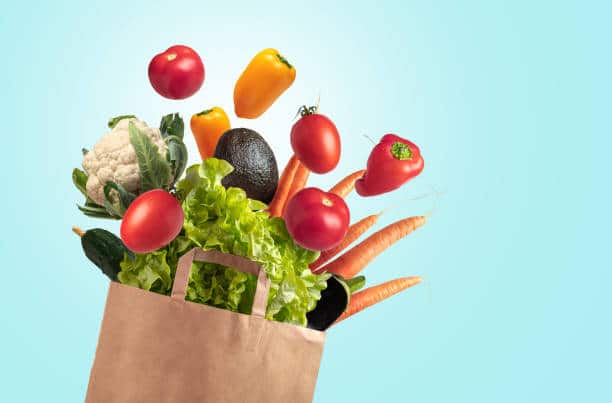
Fruits and vegetables are rich in antioxidants, which can help fight inflammation and support your immune system.
“Hands down, eating vegetables, whether fresh or frozen, is one of the best things people with HIV can do,” says Dr. Webel. She recommends consuming a “rainbow” of foods, including fresh fruits; dark green leafy vegetables (kale, spinach, broccoli); red, orange, and yellow produce (beets, yellow peppers, carrots); and beans, peas, legumes, and starchy vegetables.
To protect your weakened immune system, make sure you wash fruits and vegetables before eating raw or cooking to remove any potentially harmful bacteria or other germs.
Drinking enough water is vital for everyone, especially those with HIV. Hydration helps maintain bodily functions, supports digestion, and aids in circulation. Water can also help you manage your weight and monitor your calorie intake.
Herbal teas and infused water are great alternatives to plain water if you’re looking for variety.
Fiber-rich foods such as whole grains, legumes, fruits, and vegetables aid in digestion, promote gut health, and help manage cholesterol levels.
“Given the risk for poor nutrient absorption due to HIV-related inflammation, an easy-to-prepare meal, like one that consists of brown rice and beans, can provide adequate protein, fiber, and other nutrients at a relatively low cost,” Webel notes.
Probiotic-rich foods like yogurt, kefir, sauerkraut, and kimchi introduce beneficial bacteria to your gut, promoting a healthy digestive system and enhancing your immune response.
RELATED: Day 1: Just Diagnosed with HIV
Opt for complex carbohydrates like whole grains, fruits, and vegetables, which provide sustained energy and stabilize blood sugar levels. These choices are better than refined carbohydrates, which can lead to energy crashes.
Maintaining a healthy weight is important, as excessive weight loss or gain can impact your immune system and overall health. Practice portion control to ensure you’re getting the right amount of nutrients without overeating.
Processed foods high in added sugars and unhealthy fats can negatively impact your immune system and overall health. Minimize their consumption and opt for whole, natural foods whenever possible.
In some cases, nutritional supplements may be recommended by your healthcare provider to ensure you’re meeting your nutrient needs. Discuss with your doctor before adding any supplements to your routine.
Maintaining a healthy diet plays a vital role in managing your HIV and supporting your overall well-being. By incorporating a variety of nutrient-rich foods, staying hydrated, and making mindful choices, you can enhance your immune system, manage symptoms, and enjoy a higher quality of life. Remember, a balanced approach to nutrition, along with regular medical check-ups, can make a significant difference in your journey with HIV.
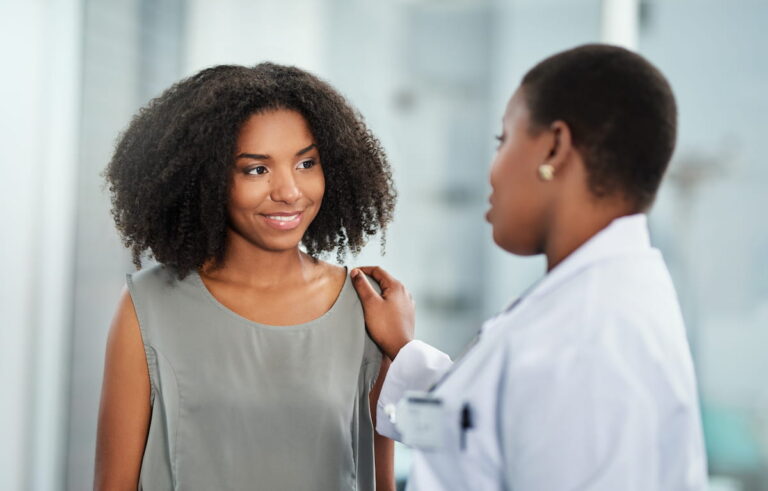
Every individual’s nutritional needs are unique. Consulting a registered dietitian who specializes in HIV nutrition can provide you with personalized guidance and meal planning tailored to your health requirements.


By subscribing, you consent to receive emails from BlackDoctor.com. You may unsubscribe at any time. Privacy Policy & Terms of Service.