The article titled “Teen Harris Wolobah dies after participating in ‘One Chip Challenge'” from the New York Post reports a tragic incident involving a teenager, Harris Wolobah, who lost his life after participating in the ‘One Chip Challenge.’ Harris’s tragic death highlights the need for caution and awareness, particularly among young participants who may underestimate the risks involved. Encouraging and moderating the harmful challenges and trends also highlights the importance of responsible content production and social media platforms’ role in safeguarding users’ well-being.
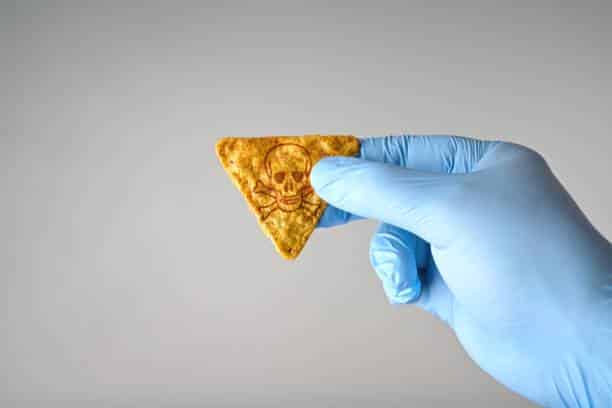
The Hot Chip challenge is a daring and fiery culinary experiment that’s taken the internet by storm. To test the limits of taste buds and heat tolerance, you must consume the famous Flamin’ Hot Cheetos. These chips are designed to create an intense and burning sensation, leaving even the most experienced spice lover searching for relief. As a viral sensation and a testament to the love of all things spicy, the Hot Chip Challenge has become a popular way for thrill-seekers and foodies alike to push their culinary boundaries and share their reactions with the world. Participants face a physical endurance test as well as the opportunity to show their ability to cope with extreme heat in this challenge.
An intense burning sensation, an increased heart rate, sweating, and a release of endorphins stimulate immediate effects such as the hot chip challenge in which highly spicy foods are consumed. Gradually, regular consumption can increase the person’s sensitivity to capsaicin and make them more accustomed to heat. While these effects are temporary and do not cause harm to the majority of people, caution should be exercised in patients with particular medical conditions, as spicy foods may exacerbate symptoms. It may help alleviate your discomfort if you drink water or eat dairy products, highlighting this culinary adventure’s fiery but often exciting nature.
Individuals with certain medical conditions may be at risk from eating extremely spicy foods, as has been seen in challenges such as the Hot Chip Challenge. An active component of capsaicin found in chili peppers may irritate airways, potentially triggering asthma symptoms like coughing, wheezing, and shortness of breath for people with asthma. Individuals with pre-existing heart conditions, such as hypertension or arrhythmias, should exercise caution, as spicy foods can lead to an increase in heart rate and blood pressure, potentially placing additional stress on the cardiovascular system. Limiting your consumption of spicy foods is recommended for people with heart disease. Similarly, individuals with gastrointestinal (GI) issues, such as gastroesophageal reflux disease (GERD), gastritis, or peptic ulcers, should be wary of spicy foods’ potential to worsen symptoms like heartburn, indigestion, and abdominal discomfort.
In all cases, individuals with asthma, heart disease, or gastrointestinal problems should consult their doctor before participating in spicy food challenges or regularly adding extremely spicy foods to their diet. The impact of spicy foods on specific health conditions can vary, and it’s crucial to make informed choices based on individual tolerance and medical guidance to ensure safety and well-being.
The dangers of social media and TikTok trends can have many negative consequences for individuals and society. First, trends involving dangerous challenges or stunts have a strong physical risk. Participants may suffer injuries ranging from minor bruises to severe fractures, burns, or even fatal accidents. Individuals may be compelled to engage in such activities by the lure of social media fame or peer pressure without fully understanding the potential physical harm they may suffer. These incidents may not only cause injuries immediately, but they can also have lasting physical consequences.
Second, we mustn’t underestimate the mental health effects of dangerous trends. The constant exposure to and engagement with harmful content can trigger stress, anxiety, and fear among users. These emotional strains may be particularly susceptible to younger people, who are often more impressionable. A sense of inadequacy and increased anxiety may arise from the pressure to conform to these trends and the fear of missing out. Moreover, the anonymity and detachment offered by social media can embolden individuals to engage in cyberbullying and harassment, further affecting the mental health and self-esteem of victims.
Finally, dangerous trends can contribute to normalizing risky behavior and foster a culture in which destructive actions appear acceptable or desirable. The impressionable audiences, particularly adolescents, are likely to be significantly affected by this normalization. These trends can remain in place for several years, thereby reinforcing negative social norms and discouraging healthy habits and responsible decisions.
Such trends may hamper individual growth and the development of a well-rounded, sustainable society in combination with them. To address these problems, safety, mental well-being, and ethical responsibility must be prioritized in the context of online interaction among users, content creators, and social media platforms. The emergence of dangerous social media and TikTok trends underlines the need for vigilance, education, and responsible content creation. Though offering unique opportunities for creativity and interaction, platforms also pose risks that have significant implications for individuals and society as a whole. It is of vital importance for users to take care when they interact with online trends, knowing that there can be physical harm, emotional strain, and a renormalization of risk behavior. Similarly, by prohibiting harmful content and promoting a positive online culture, content creators and social media platforms must ensure their audiences’ safety and well-being.


By subscribing, you consent to receive emails from BlackDoctor.com. You may unsubscribe at any time. Privacy Policy & Terms of Service.