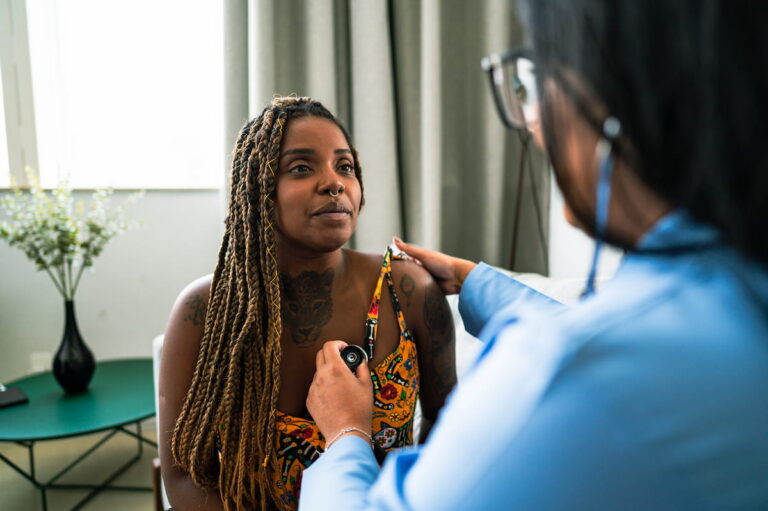
Caregiving is an act of love and responsibility, but for many Black women, it also comes with an invisible cost: chronic stress that can take a toll on their health. A new study published in the American Heart Association Journal Hypertension has uncovered a concerning link between caregiving stress and hypertension in Black women aged 21 to 44—a group already disproportionately affected by high blood pressure.
For years, researchers have explored the effects of caregiving stress on middle-aged and older Black women, who often shoulder the dual responsibilities of caring for aging relatives and managing their households. However, the experience of younger Black women—those balancing caregiving with work, education, or raising young children—has been understudied.
A new study by researchers at NYU Grossman Long Island School of Medicine changes that narrative. By focusing on Black women aged 21 to 44, the study reveals alarming trends about the health impact of caregiving stress on this demographic.
Key Findings
These findings underscore the role caregiving stress plays as a major contributor to hypertension—a leading risk factor for cardiovascular disease (CVD).
RELATED: The 5 Levels Of Caregiving
Hypertension, or high blood pressure, is often called the “silent killer” because it typically has no symptoms until serious complications arise, such as heart attacks, strokes, or kidney disease. Black women in the United States have some of the highest rates of hypertension globally, with many developing the condition at younger ages compared to other racial and ethnic groups.
Caregiving is demanding, often involving physical, emotional, and financial strain. For Black women, these challenges are amplified by systemic inequities, cultural expectations, and a lack of institutional support.
The study found that caregiving stress creates a cumulative burden on the cardiovascular system. Women reporting moderate to high stress levels were significantly more likely to develop hypertension. These findings align with previous research that has linked chronic stress to increased blood pressure.
When a person experiences stress, their body releases hormones like cortisol and adrenaline, which prepare them to respond to immediate threats. While this “fight or flight” response is helpful in short bursts, chronic stress keeps the body in a prolonged state of alertness. Over time, this leads to:
The long-term impact of chronic stress includes higher risks of hypertension, atherosclerosis (plaque buildup in arteries), and other cardiovascular diseases.
For Black women, stress often extends beyond caregiving responsibilities. Factors such as racial discrimination, economic instability, and cultural expectations compound their stress levels, creating a perfect storm for health issues like hypertension.
Key Stressors Include:
The new study draws on data from the Jackson Heart Study (JHS), one of the largest long-term studies focused on the cardiovascular health of Black adults in the United States.
Established in 2000, the JHS tracks the health outcomes of more than 5,300 Black adults from three counties in Mississippi. By analyzing this robust dataset, researchers were able to uncover the relationship between caregiving stress and hypertension in reproductive-age Black women.
Researchers assessed caregiving stress using the Global Perceived Stress Scale, a validated tool that measures self-reported stress levels. Participants were asked a key question:
“Over the past 12 months, how much stress did you experience related to caring for others?”
Responses were measured on a four-point scale, ranging from (one) not stressful to (four) very stressful. For analysis, responses were grouped into two categories:
Participants’ blood pressure readings and self-reported use of antihypertensive medications were tracked to identify cases of hypertension.
RELATED: How To Balance Your Loved One’s Needs With Your Own
Caregiving stress can manifest in various ways, including:
The study also highlighted the unique challenges of caring for high-needs dependents, such as children with disabilities or elderly relatives with chronic illnesses. These caregiving situations often require more time, energy, and resources, significantly increasing stress levels.
What Are Modifiable Risk Factors?
Hypertension prevention efforts often focus on lifestyle factors such as diet, exercise, and smoking cessation. However, the study emphasizes addressing caregiving stress as a modifiable risk factor.
By identifying and mitigating sources of stress, healthcare providers can help Black women lower their risk of hypertension and improve their overall health.
The study’s authors advocate for systemic solutions to alleviate caregiving stress. These include:
Affordable Childcare
The lack of affordable childcare is a major source of stress for many caregivers. Policies that provide subsidized or free childcare services would significantly reduce financial and emotional strain.
Tailored Education Programs
Educational initiatives can teach caregivers effective stress management techniques, such as:
RELATED: How to Manage Aging Parents Who Can’t Live Alone: A Guide For Caregivers
Raising Awareness
Public health campaigns that emphasize the connection between caregiving stress and hypertension can empower Black women to take proactive steps to protect their health.
Building Support Networks
Support networks—including family, friends, and community organizations—are critical in reducing caregiving stress. Online forums, local groups, and faith-based organizations can provide much-needed emotional and logistical support.
The new study linking caregiving stress to hypertension in young Black women highlights an urgent public health challenge. With nearly half of participants developing hypertension, caregiving stress is a significant risk factor that demands attention.
By addressing systemic issues like affordable childcare and providing tailored education programs, society can alleviate the burden on Black women and improve their cardiovascular health. Empowering Black women through awareness and systemic support is critical to creating a healthier future for this vulnerable population.


By subscribing, you consent to receive emails from BlackDoctor.com. You may unsubscribe at any time. Privacy Policy & Terms of Service.