Cedars-Sinai investigators are using artificial intelligence (AI) to reduce serious health risks associated with pregnancy and childbirth and to improve screening for certain gynecological cancers.
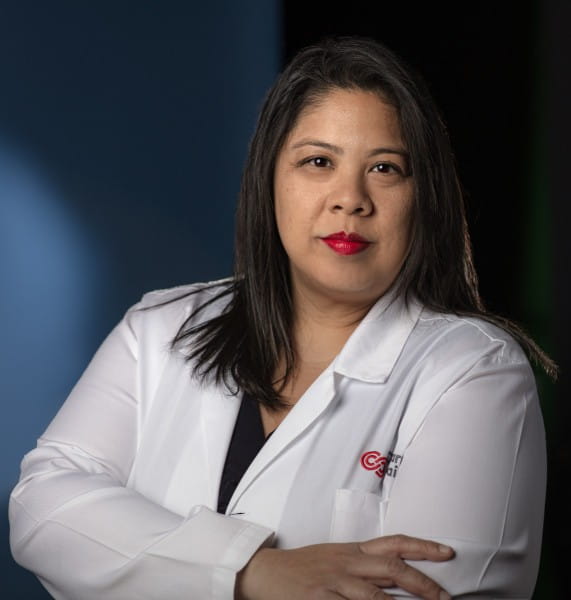
Among the leaders in this work is maternal-fetal medicine specialist Melissa Wong, MD, who serves as director of Informatics and Artificial Intelligence Strategies for the Department of Obstetrics and Gynecology. Wong has been instrumental in developing and applying AI tools aimed at improving maternal health outcomes and enhancing early detection of gynecological cancers.
Two important studies looked at the leading causes of death during pregnancy and childbirth: preeclampsia and postpartum hemorrhage.
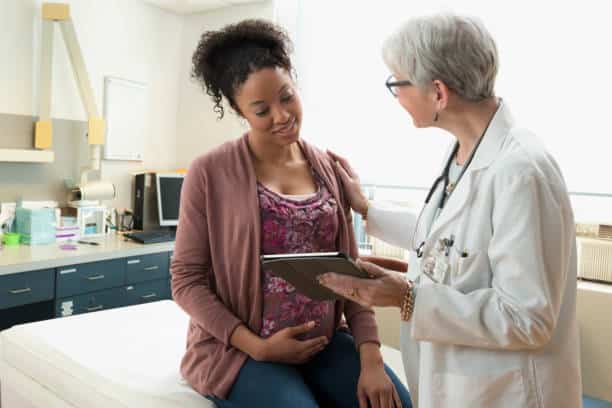
We know that low-dose aspirin can reduce the risk of developing preeclampsia, a dangerous hypertensive complication of pregnancy that can cause serious illness or death. Black pregnant women are particularly vulnerable to being overlooked for aspirin treatment. Our study found that using artificial intelligence to identify patients at risk for preeclampsia—and then automate the decision-making about prescribing the aspirin—led to an increase in appropriate aspirin treatment and also eliminated the racial disparity in care.
In another study using an application of AI, machine learning, we developed an algorithm that can help predict which patients are at an increased risk for severe complications from bleeding after childbirth. The key was to analyze data at many different points of a patient’s labor and delivery—from underlying medical conditions to the kind of anesthesia the mother received. Our next step is to see if the algorithm can help predict hemorrhages in real time and allow for intervention and saving lives.
In the area of gynecological care, we are wrapping up a study that could improve the evaluation of the Pap smear used to check for cervical cancer. We do hundreds of Paps a week in our health system. The results are most meaningful when you can put them in the context of the patient’s history. We’ve developed an AI application using ChatGPT that performs a contextual analysis of results, produces a recommendation for next steps, if needed, and even generates a letter to the patient about the results.
Gestational diabetes and hypertension during pregnancy are two conditions we believe could also benefit from AI interventions to identify trends and patterns in patient-submitted data and recommend interventions.
In the case of diabetes, about 80% of the patients submitting data from their glucose monitors are probably doing well or just need straightforward adjustments to their insulin. But our expert diabetes educator still has to analyze all of the data, even if only 20% of the patients will require direct intervention with medication or nutrition counseling to get them back on track. AI could help us focus on the smaller group of patients who need more complex and nuanced support, more expeditiously.
As for managing high blood pressure during pregnancy, this is often a new skill patients learn in pregnancy or postpartum. It’s also a complicated one. Trying to distinguish between a somewhat worrisome reading and one where you need to call your provider asap is not intuitive. A good AI model could send an alert when subtle pattern changes signal a need for medication modifications or urgent attention by the patient and provider.
I feel incredibly fortunate to be here, not just because we are at the forefront of investigating the use of artificial intelligence across a wide variety of specialties and procedures, but because we do it with implementation in mind. There is a lot of AI research in the U.S. but not much that goes beyond the lab. At Cedars-Sinai, the goal is to research the myriad possible applications, and then when we’ve refined and tested them, to “turn it on,” so to speak. We are highly motivated to implement what we have developed and to help improve the delivery of care and the health of our patients.
It’s about how AI can help healthcare providers free up their brains and their time to focus on delivering the best possible care. It can be a remarkable tool that brings us front and center with the patient again and moves us away from the kind of work that AI and machine learning do more effectively, quickly and accurately.
Whether a provider is in a healthcare desert with limited resources or at an academic medical center, the best applications of artificial intelligence will have a democratizing impact—reducing healthcare inequalities and providing care that could be more personalized across a broad spectrum of patient populations.
Read more from the Cedars-Sinai Blog: How Women Can Strengthen Their Health at Any Age


By subscribing, you consent to receive emails from BlackDoctor.com. You may unsubscribe at any time. Privacy Policy & Terms of Service.