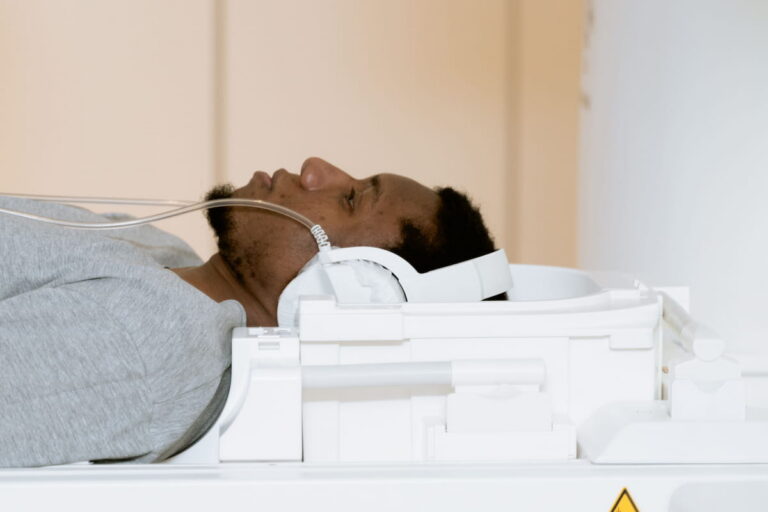
With over 3.3m precious lives lost to the pandemic, the coronavirus COVID-19 outbreak has been a blockbuster horror movie –not one we are enjoying, though. Terribly contagious and discriminately lethal, you have every right to be worried about the virus if you have liver conditions.
You may be tempted into overrating the leniency of the virus when you hear that more than 80% of people who have COVID-19 symptoms only develop a mild illness. But this may not apply to people with underlying conditions, especially liver-related ones like Hepatitis B or C.
RELATED: COVID Symptoms: Timeline, Progression and FAQs
Featured on BlackDoctor
To better educate you on the impact COVID-19 can have on your liver, let us answer those questions nagging in your mind.
The word “destroy” has some exaggerative tones to it, but there is no doubt that the COVID-19 virus poses extra risks to your liver. Ongoing investigations in hospitalized COVID-19 patients reveal a considerable hike in liver enzyme levels.
Increases were observed for such enzymes as the aspartate aminotransferase (AST) and the alanine aminotransferase (ALT). Such increment is strongly suggestive of liver damage – which may not necessarily be permanent.
People with scarred livers – typical of cirrhosis – no doubt are more vulnerable to COVID-inspired mishaps. Precisely, people with chronic liver disease who are also infected with COVID-19, when compared to people with no liver comorbidity, are more susceptible to death.
Unfortunately, the answer is a YES. If you have underlying liver disease – be it Hep B or C – your risks of experiencing severe illness, even as far as getting into the ICU, are higher.
This information is not aimed at raising your alarm levels but essentially raising your commitment levels to following your treatment plans, diligently pursuing the recommendations of your healthcare provider, and adhering to scientifically established safety guidelines.
Hepatocellular carcinoma – otherwise known as liver cancer – is not uncommon in patients who have had sustained liver conditions. For context, patients with chronic hepatitis B virus (HBV) are 100x more at risk of developing HCC.
Such amplified vulnerability from COVID in HCC patients can be traced to such patients having two principal diseases in the form of concomitant chronic liver disease and cancer.
RELATED: COVID Reinfections Are Now Common. Will Getting a Booster Even Help?
When experts systematically reviewed 11 scientific studies, it was found that out of 77,000 hospitalized COVID-19 patients, 0.92% already had a cancer diagnosis.
Given the potentiality of the pandemic in handicapping the supply of pharmaceutical products in the US, the authorities are rigorously studying the supply chain of Hep B and C drugs.
At this time, authorities are not anticipating shortages in the needed medication for these conditions. Also, in collaboration with the private sector, the FDA and relevant parastatals have instituted robust infrastructure to ensure resilience in the supply of these drugs.
Medical experts are yet to establish the efficacy of Hep B or C antivirals in treating COVID-19. Remdesivir remains the only drug approved by the FDA (The Food and Drug Administration) to treat COVID-19.
While leading experts in the medical space explore how effective it would be multitasking medications (already used in treating other health conditions) in treating COVID-19, nothing has been proven at this time.
Minimal exposure remains the most effective way to protect yourself from the coronavirus. Aside from vaccination, social distancing and personal hygiene remain your weapon of choice in the COVID war.
Agreed, the media and society are dripping with conspiracy theories denigrating the vaccines’ scientific, medical, and ethical integrity, but the vaccines do work. Strive to get vaccinated once a vaccine is available to you. It is your surest bet to life!
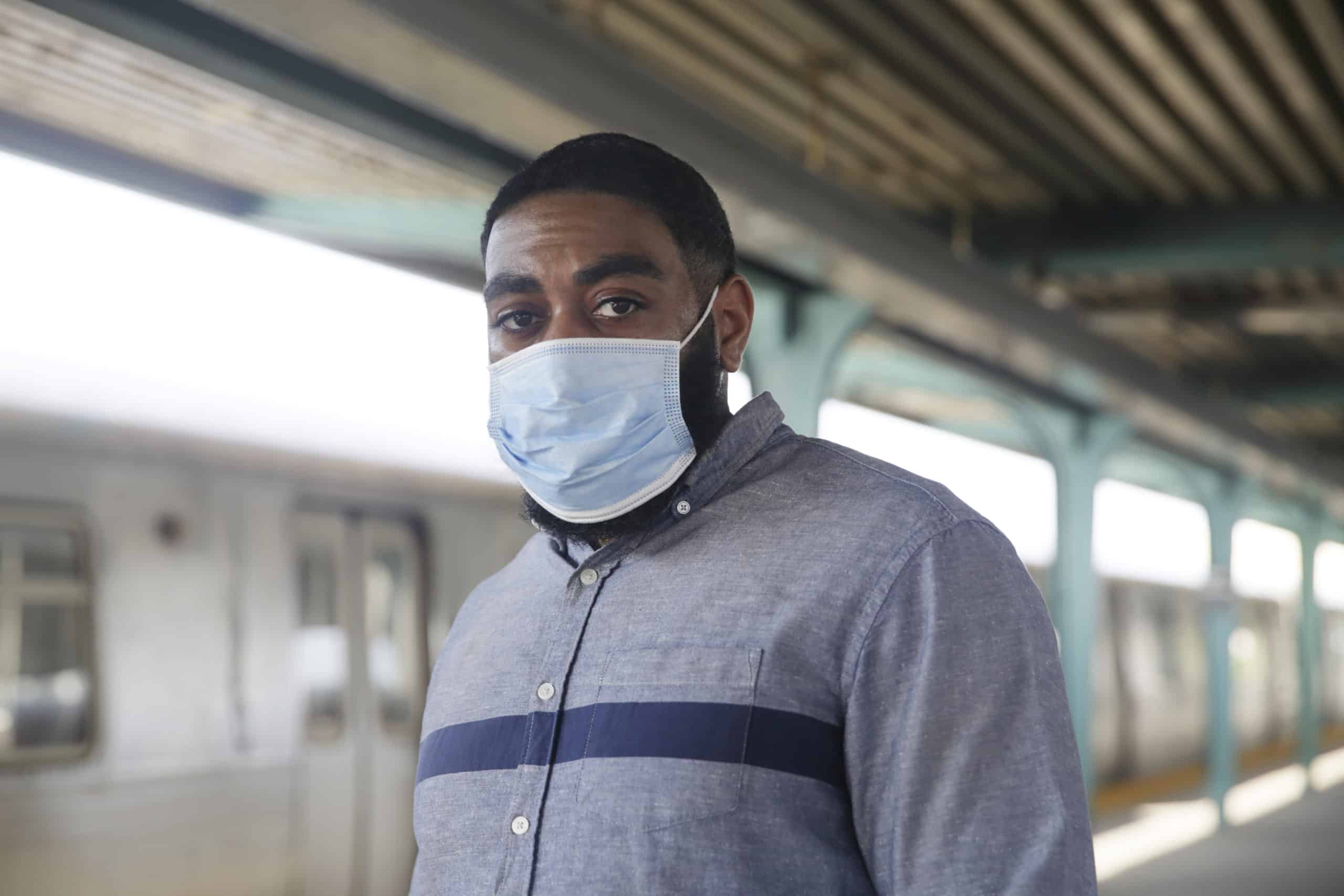
The CDC recommends that you always wear a mask that appreciably covers your mouth and your nose. Also, if you are around people you don’t stay with, it is advised that you maintain a distance of 6 feet from others (which is the equivalent of two arms’ length). Generally, avoid crowds – as typical of theatres, bars, and restaurants – and go out only when essential.
There is no way I am forgetting hand-washing. The CDC recommends that you wash your hands properly with soap and water for at least 20 seconds.
If the said resources are unavailable, you can make do with hand sanitizers, with a minimal alcoholic composition of 60%. This is crucial if you have been previously outdoor, you coughed or blew your nose.
Lastly, your lifestyle is still a huge determinant of your safety amid the pandemic. Avoid smoking, using marijuana, or vaping if you have liver conditions.
And in situations, where you mandatorily have to stay home for a sustained period, it is important to put in place a telemedicine facility (preferably through your provider’s digital portal) to ensure continuity in your care. Readily reach out to your provider either via chat platforms or a phone call.


By subscribing, you consent to receive emails from BlackDoctor.com. You may unsubscribe at any time. Privacy Policy & Terms of Service.