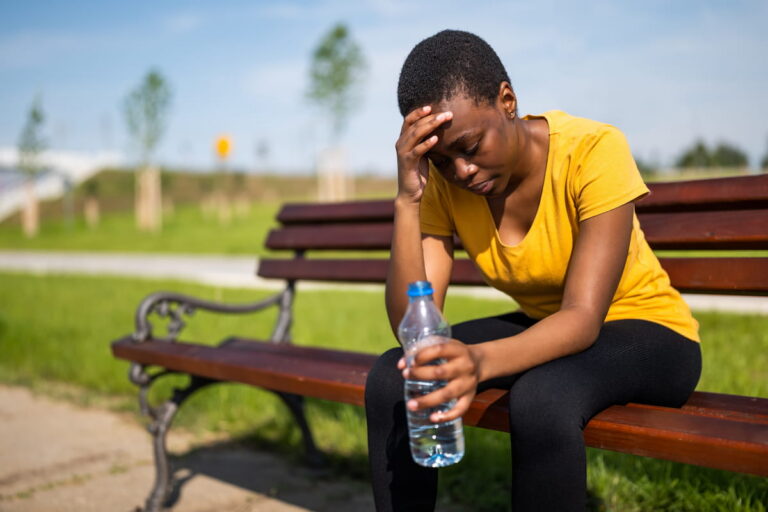
✦ Hemorrhoids can vary in duration, lasting from a few days to weeks depending on type, severity, and timely treatment. Early intervention is crucial for quicker relief and healing.

If you’ve ever dealt with hemorrhoids, you know they do not come to play. The pain, the swelling, the itching — it can mess up your whole routine.
The first question most people ask is: How long do hemorrhoids last? Well, it depends.
Hemorrhoids can last anywhere from a few days to a few weeks, depending on the type you have, how severe the case is, and how quickly you start treatment.
The National Institute of Diabetes and Digestive and Kidney Diseases reports that 1 out of 20 Americans deals with hemorrhoids, and up to 50% of individuals over age 50 will experience them.
So let’s break it all down—what causes hemorrhoids, how long they typically stick around, and how to get rid of hemorrhoids ASAP.
What Exactly Are Hemorrhoids?
Hemorrhoids happen when the veins around your anus or lower rectum get swollen—basically, varicose veins, but in the absolute worst place.
Internal hemorrhoids: Inside the rectum, usually painless but may bleed, the Cleveland Clinic notes.
External hemorrhoids: Under the skin around the anus — these are the ones that itch, burn, and sometimes come with a blood clot (thrombosis) that can feel like a hard, painful lump.
RELATED: Natural Ways to Avoid & Relieve Irregularity
What Causes Hemorrhoids?
According to the Mayo Clinic, hemorrhoids develop when “pressure increases in the lower rectum,” often due to straining or sitting for long periods. Common causes include:
Straining during bowel movements
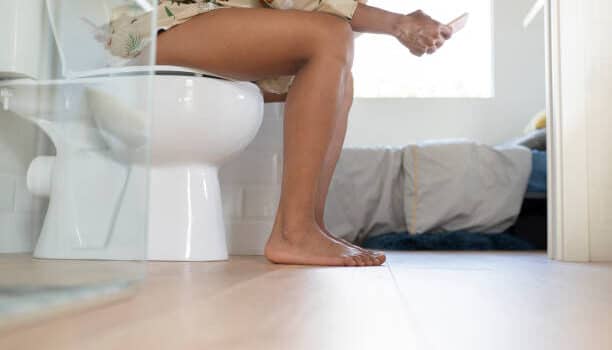
Sitting on the toilet too long (scrolling TikTok… you know who you are)
Chronic constipation or diarrhea
Pregnancy
Low-fiber diet
Heavy lifting
Obesity
Aging
RELATED: 5 Reasons to Fill Up on Fiber
Hemorrhoid Symptoms You Shouldn’t Ignore
Typical signs of hemorrhoids include:
Bright red blood when you wipe
Itching or irritation around the anus
Pain or soreness around the anus
A swelling or a lump near the anus (usually an external hemorrhoid)
Mucus leakage
RELATED: Which is Better? Sitting or Squatting
How Long Do Hemorrhoids Last?
If you’re trying to figure outhow long do hemorrhoids last, here’s the real timeline: most mild cases improve within 48–72 hours with proper care. According to the Mayo Clinic, swelling usually decreases within a week.
Internal hemorrhoids may take a little longer, especially if constipation or straining is still happening.
External hemorrhoids—especially if they’re thrombosed (meaning a blood clot forms)—can take 2-3 weeks to fully settle down. But the good news is that they can shrink dramatically with the right home care.
And yes, hemorrhoids do go away, but only if you treat them and change the habits causing them.
How Long Should Hemorrhoids Last by Type and Severity
How long hemorrhoids should last depends on the type, severity, and whether the underlying cause is addressed.
Mild internal hemorrhoids often improve within a few days to a week, especially when constipation and straining are reduced.
Moderate hemorrhoids — internal or external — may last one to two weeks and typically need consistent home care, including fiber, hydration, and topical relief.
Thrombosed external hemorrhoids can last longer, sometimes two to three weeks. While the pain is usually worst in the first 48–72 hours, swelling can take more time to resolve fully.
If hemorrhoids last longer than expected or keep returning, it’s often a sign that the root cause — chronic constipation, prolonged sitting, or repeated straining — hasn’t been corrected.
Hemorrhoid Treatments & Remedies That Actually Work
If you’re Googling how to get rid of hemorrhoids or “get rid of external hemorrhoids in 48 hours,” you want relief like yesterday. A solid hemorrhoid treatment, paired with the right home remedies, can help you shrink them faster and feel better sooner.
Warm Sitz Baths
Mayo Clinic recommends this hemorrhoid treatment as a first-line comfort treatment. Sit in warm water for 10–15 minutes, 2–3 times a day to reduce pain and swelling.
Over-the-Counter Creams & Suppositories
Look for products with hydrocortisone, witch hazel, or lidocaine for short-term relief.
Preparation H
Witch hazel pads (like Tucks)
High-Fiber Diet + Water
Fiber softens your stool and keeps things moving without straining. Good options: pears, berries, avocados, beans, whole grains.
Ice Packs
10 minutes at a time to help reduce swelling.
Stool Softeners
If constipation is the culprit, these help break the cycle quickly.
Treat That Toilet Time
Stop sitting on the toilet for 20 minutes like it’s your spa. No phones. Handle your business and get up.
Minimize Straining
Keep breathing. No pushing like you’re in labor.
Medical vs. At-Home Hemorrhoid Treatment: What Actually Speeds Healing
At-home hemorrhoid treatment works best for mild to moderate cases. Warm sitz baths, fiber, hydration, and topical creams can significantly reduce symptoms and help hemorrhoids shrink faster.
However, medical hemorrhoid treatment may be needed when symptoms don’t improve or continue to return.
Doctors may recommend in-office procedures such as rubber band ligation, sclerotherapy, or infrared coagulation for internal hemorrhoids that bleed or prolapse. These treatments cut off the blood supply to the hemorrhoid so it shrinks and falls away.
Surgical treatment is usually reserved for severe or recurring hemorrhoids that don’t respond to other options. While surgery is effective, most people never need it.
The key takeaway: the earlier you start the right hemorrhoid treatment and fix the habits causing them, the faster healing happens.
Medical Procedures (When Needed)
If your hemorrhoids keep coming back or don’t improve, your doctor may recommend procedures like:
Rubber band ligation
Sclerotherapy
Laser or infrared coagulation
Surgical removal (rare but sometimes necessary)
Tip: If you’re trying to get rid of external hemorrhoids in 48 hours, consistency is key: hydration + fiber + sitz baths + witch hazel is the fastest route.
RELATED: Top 5 Foods That Can Rescue You From Constipation
Hemorrhoids & the Black Community: What We Know (and Don’t Know Yet)
Here’s what’s interesting: some of the older research makes it look like hemorrhoids mainly show up in white patients. One classic study even claimed they were “more frequent in whites than in Blacks.” And national digestive-health data backs that up on the surface, showing fewer hemorrhoid-related doctor visits among Black adults.
But that doesn’t mean we’re not dealing with hemorrhoids. It usually just means we’re not going to the doctor for them.
Black communities have historically had fewer physician visits for digestive symptoms across the board, so hemorrhoids may be underdiagnosed, not necessarily less common. And when you look at chronic constipation—a major hemorrhoid risk factor—it actually shows up more frequently in Black adults in some national surveys. So the picture isn’t straightforward.
So no, we’re not magically exempt. The research is outdated, incomplete, and honestly not telling our full truth.
There’s also a cultural layer worth noting. A recent study from West Africa found major misconceptions around hemorrhoids:
85% believed hemorrhoids could lead to sexual dysfunction
67% believed they could cause infertility
Over 50% preferred traditional (“indigenous”) treatments instead of medical care
While that study isn’t specifically about African Americans, it reflects a pattern we often see across the diaspora — stigma, misinformation, and choosing home remedies before seeking professional treatment.
And finally, here’s the real problem: we still don’t have large, up-to-date U.S. studies focused specifically on hemorrhoid prevalence in Black communities. The data is thin, the gaps are wide, and we deserve better research.
Bottom line: Hemorrhoids absolutely affect the Black community, even if the numbers don’t capture it. What matters is recognizing symptoms early, dropping the stigma, and getting checked out if something feels off. Your health is worth more than suffering in silence.
Why Hemorrhoids Sometimes Don’t Go Away
If you’re wondering why hemorrhoids don’t go away — or why they keep coming back — the issue is usually ongoing pressure in the rectal area.
Common reasons hemorrhoids linger include:
Untreated constipation
Continued straining
Low fiber intake
Dehydration
Prolonged sitting
Ignoring symptoms until they worsen
In some cases, what feels like hemorrhoids may actually be another condition, such as anal fissures or inflammatory bowel issues, which is why persistent symptoms should always be evaluated.
When to See a Doctor
Colorectal surgeon and professor of surgery at Cleveland Clinic, Dr. Michael Valente, recommends that patients who have rectal bleeding see their doctor immediately to rule out other conditions.
“At the colorectal surgeon’s office, for example, a very detailed history asking a lot of questions about the type of bleeding, when it’s occurring,” Valente explains. “And then after a good conversation about maybe leading us towards a diagnosis, a good examination in the office…and sometimes the use of what we call an anoscope, a small device that usually has a light on it to evaluate the most distal part of the rectum and anal canal.”
Besides bleeding, also get checked if:
Symptoms last longer than a week
You have severe pain (possible thrombosed hemorrhoid)
You notice dark, tarry stools
The lump is getting larger, not smaller
You’re pregnant and not sure what’s safe
RELATED: What Are Hemorrhoids & How to Get Rid of Them
A Final Word About How to Get Rid of Hemorrhoids
Hemorrhoids are common, uncomfortable, and absolutely nothing to be embarrassed about.
And if you’ve been wondering how long do hemorrhoids last, the truth is this: with the right care and a few lifestyle tweaks, most people see relief within a few days. But if yours are hanging around longer than they should, causing intense pain, or affecting your daily life, it’s time to call your doctor.
Relief is absolutely possible. Let your body tell you what it needs — and don’t hesitate to get help when something feels off.


By subscribing, you consent to receive emails from BlackDoctor.com. You may unsubscribe at any time. Privacy Policy & Terms of Service.