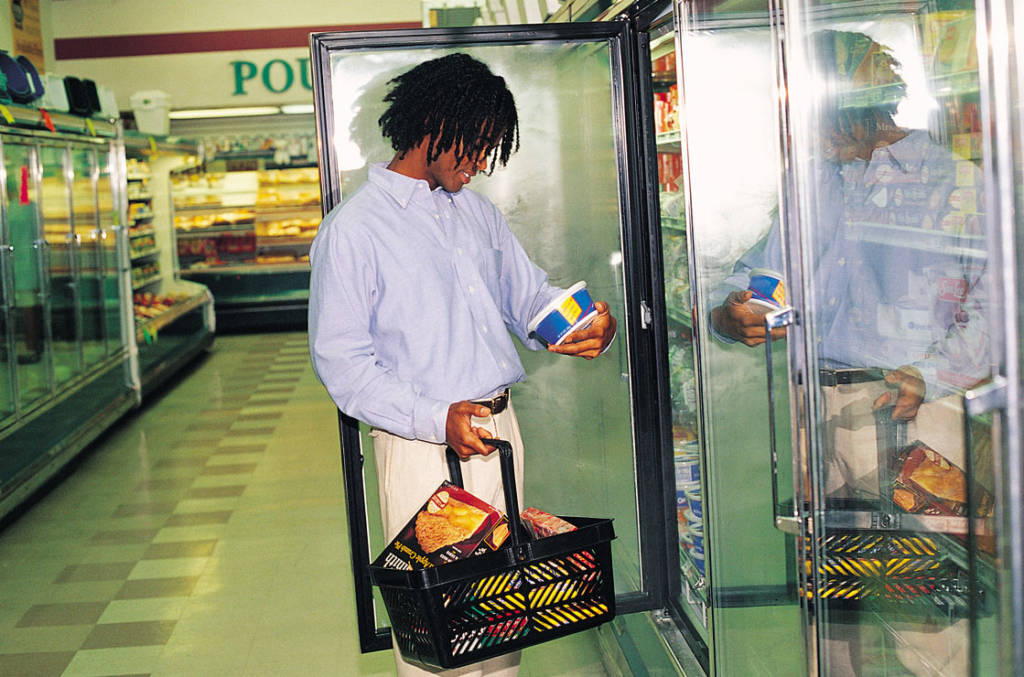
When you want to prepare healthy meals at home, it’s unlikely that you’ll get very far without your freezer.
Properly stocking your freezer could mean the difference between making a nutritious dinner and ordering in. It also lets you save meals that you prepare in big batches ahead of time, take advantage of discounts at the grocery store, and keep food that might otherwise just be thrown away.
Freezing is also an easy way to preserve local, in-season, fruits, and veggies that you buy at farmers markets or grow in your garden. If you want to eat delicious tomatoes in the dead of winter, for example, but are intimidated by canning, freezing is worth considering.
But just how long will your food last in the freezer? According to the Food Safety and Inspection Service, food stored in a freezer set at 0 degrees Fahrenheit will stay safe indefinitely. But that doesn’t mean the taste and texture will remain the same.
Here is a guide to how long you can freeze foods before you sacrifice its quality. Keep in mind that quality does deteriorate the longer food sits in your freezer, so aim to defrost sooner rather than later.
• Bacon: 1 to 2 months
• Breads: 2 to 3 months
• Casseroles: 2 to 3 months
• Cooked beef and pork: 2 to 3 months
• Cooked poultry: 4 months
• Cookie dough: 3 months
• Fruits & Vegetables: 8 to 12 months
• Frozen dinners: 3 to 4 months
• Hot dogs & Sausage: 1 to 2 months
• Lunch meats: 1 to 2 months
• Soups and stews: 2 to 3 months
• Uncooked chicken (parts): 9 months
• Uncooked chicken (whole): 1 year
• Uncooked steaks, chops, or roasts: 4 to 12 months
• Uncooked ground meat: 3 to 4 months
• Vegetables: 8 to 12 months
Basic Freezer Tips
Freeze foods as close to purchase (or harvest if you have a garden) as possible. The fresher food is when you freeze it, the better the quality when you defrost it.
• While most foods can be frozen, there are some foods you should keep out of the freezer. Don’t freeze canned foods or eggs in shells (which can crack and allow bacteria to enter). Technically you can freeze mayonnaise, cream sauce, and lettuce, but the quality takes a big hit.
• Cool cooked foods down before freezing so they freeze faster, which helps preserve quality.
• Packaging matters and varies depending on what you’re freezing. If you choose glass over plastic containers, wrap, or bags, you’ll need to make sure it’s tempered so it doesn’t break.
• You can freeze meat in its original packaging, but if you want to store it for long periods of time, add an additional layer of packaging, such as plastic wrap or bags.
• It’s always a good idea to label items so you know what they are and how long they’ve been in the freezer.
• Resist the temptation to defrost foods on your counter top. The three safest ways to thaw foods are in your fridge, in cold water, and in the microwave.
How To Freeze Fresh Produce
• The key to freezing fresh fruit is to spread out the cleaned, dried, and prepared (cut up) pieces of fruit on cookie sheets. Once the individual pieces of fruit are frozen, you can combine and put in freezer bags. Some people prefer to pack fruits in sugar or sugar syrup to help preserve texture and flavor. The National Center for Home Food Preservation has tips on how to freeze specific fruits such as strawberries, tomatoes, peaches, and many more.
• Vegetables usually need to be blanched (boiled or steamed for a short time) before freezing to maintain flavor, color, and texture. Blanching times vary depending on the vegetable. The National Center for Home Food Preservation has a chart with blanching times for everything from corn to collard greens and simple instructions for how to freeze a large variety of vegetables.


By subscribing, you consent to receive emails from BlackDoctor.com. You may unsubscribe at any time. Privacy Policy & Terms of Service.