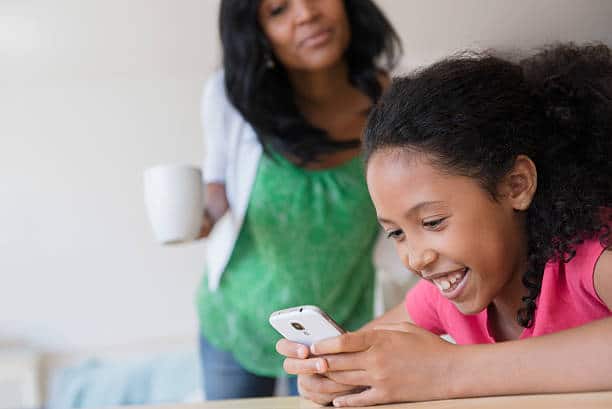
Kids can spend hours on screens. Screen usage may harm a child’s development and cause weight and sleep issues. Except for video chatting with adults, under-18-month-olds shouldn’t use screens. 18–24-month-olds should watch high-quality videos with an adult, and two to five-year-olds should limit screen time to one hour. Schoolchildren need rules too.
RELATED: All That Screen Time Could Be Ruining Your Kid’s Eyes
Screen time is when a youngster watches a screen. Examples are watching TV, playing video games, and using a computer, phone, or tablet.
It adds up fast: You may not think twice about letting your kid play with your phone or read a book on your tablet, and it’s tempting to post hilarious YouTube videos or charming images on Instagram. Your child may use gadgets or games they don’t have at home, at school, or on playdates.
Even through a screen, interacting with loving people helps young toddlers develop social skills. Due to COVID-19 limits, it’s helped youngsters establish contacts with distant relatives. Video chats with distant relatives and friends are allowed.
Consider strategies to engage your kids during those important talks. Set up frequent video chats with faraway relatives and prepare by having your kids produce something to display and speak about or ask them what they may ask.
Ideal parenting isn’t always realistic. Too much screen time indeed has negative effects, but giving your kid a screen to quiet or divert them when bored or restless robs them of the chance to learn how to deal with and overcome boredom or emotional pain.
However, if you’re working from home and your kid has hit their daily watching limit, it’s OK to let them watch more while you complete your Zoom conference. It’s fair to allow a few additional miles after your child has hit their screen-watching and automobile-riding limits while on vacation.
The American Academy of Pediatrics (AAP) advises children:
Common Sense Media reports that children under eight watch 2.5 hours of screen media every day:
However, about a quarter of children under eight don’t watch any screen media. In contrast, almost a quarter spend over four hours daily on screens. Child screen time:
Parents worry about too much digital media for kids, from streaming movies to games and instructional tools. Experts increasingly highlight that how youngsters use devices is as essential as how much they use them.

Too much screen time is bad for youngsters. Here are several major issues.
Screen time’s effects on development are parents’ primary concern, and rightly so. Kids on screens lose out on socializing with parents, adults, and peers.
Screen use is linked to hyperactivity, impulsivity, and poor decision-making in youngsters. Too much TV in infancy and preschool hinders thinking, language, and social abilities. Children may act out after seeing violent stuff because they’re scared or copying it.
The National Institutes of Health (NIH) studied more than 4,500 preteens. They discovered that those who spent more than two hours a day on screens performed worse on language and cognitive tests. Over seven hours causes premature cortical thinning (the brain’s outer layer, which processes sensory information).
Screens keep kids still. Reducing screen time reduces juvenile obesity and weight increase, according to studies. It may also entail more food promotion and TV munching.
One five-year study of nearly 3,500 youngsters in eight nations revealed that every hour of screen use increased the risk of obesity by 16 percent. The same research indicated that every hour of sleep loss elevated the risk of obesity by 23 percent.
RELATED: How Stress and Gastro Issues Affect Kids With Autism
Screen use, especially at night, reduces children’s sleep. According to the AAP, even tiny displays like phones and tablets may impair sleep. Screen light may delay melatonin production, making sleep harder. Children are twice as susceptible to light as adults. Violent media exposure was linked to nocturnal sleep issues in preschoolers.
Parents worry about addiction and dependence as kids become older. Screen addiction is hard to break. One research indicated that 4-year-olds who watched more TV had greater difficulty taking screen breaks at 6.
A study of nearly 40,000 children aged two to 17 found that youngsters who use screens for seven hours or more a day are twice as likely to develop depression or anxiety. High-media users also have lower curiosity, self-control, and emotional stability.
Screen time isn’t awful. Your youngster should have time for healthy activities like physical play, reading, and socializing.
Reality often thwarts parents’ best intentions of limiting screen usage. Maybe you banned TV, but your preschooler spotted your iPad and learned to touch and swipe. Or maybe your second kid broke the rules you painstakingly set with your first.
As youngsters age, screen time rises. With so many new kid-focused items, parents frequently feel guilty or overwhelmed. Lisa Guernsey, coauthor of Tap, Click, Read: Growing Readers in a World of Screens, says choosing what’s best for you, your kid, and your family is like navigating a media minefield.
Screen time restrictions may be difficult to implement for many well-meaning parents. Guernsey recommends the “three C’s” to determine screen time:
Good games and applications for reading, arithmetic, and other abilities may help kids learn. Most educational apps are built without a curriculum or assistance from education or child development professionals. It’s hard to tell what will really teach your youngster. Tips for assessing a program or app for your child:
Even with age-appropriate applications, games, and e-books, tablets may distract kids. Kids switch games or click aimlessly. Screens distract youngsters from reading, playing sports, arts, and socializing.
E-books are limited. Researchers discovered that interactive storybooks distract parents and children, making reading together less fun and enriching. When reading an e-book, kids and parents ask fewer questions and have problems following along.
Sitting alongside your youngster and discussing what’s occurring can maximize their reading experience. ( “Next? Strawberry ice cream? “) Digital books include many exciting buttons, lights, and sounds, which might distract from the content.
E-books are fine, but read conventional books to your youngster. Reading on tablets or apps:
According to a BabyCenter survey, kids use phones and tablets: Nearly half of two to eight-year-olds have tablets, and 85 percent of parents let them use their phones. Many start with “kiddie” versions like the LeapPad, while others go directly to the iPad.
For safety and convenience, parents purchase their kid’s phones. According to Common Sense Media, nearly half of two to four-year-olds and more than two-thirds of five to eight-year-olds have tablets or smartphones. Kids’ interests vary. They like playing games and watching movies.
Other parents wait; some let their kids play with an old phone, while others don’t mind if grandma gives everyone a tablet for Christmas. Regardless of your method, monitor your child’s gadget usage and identify strategies to limit it.
It’s about introducing kids to technology but training them to think critically about it. Guernsey states children “should ideally be acquiring an awareness of how digital is used to communicate, share ideas, and create knowledge” alongside parents and teachers. You may set an example by using technology as a tool while looking at a map, paying bills online, or attending a professional video conference. “Explain your Information system work,” Guernsey advises.
Ask your child’s school about technological education. Tell your child that some people design new programs and applications, which they can learn to do.
Set Family Guidelines
Stay Involved
Think Beyond Screen Time


By subscribing, you consent to receive emails from BlackDoctor.com. You may unsubscribe at any time. Privacy Policy & Terms of Service.