Black mothers across the nation are commended for their strength, perseverance, and commitment to their families and communities, even as they often face health disparities and other challenges to their emotional and mental health that stem from inequities.
This can add weight to the emotional and mental components of motherhood.
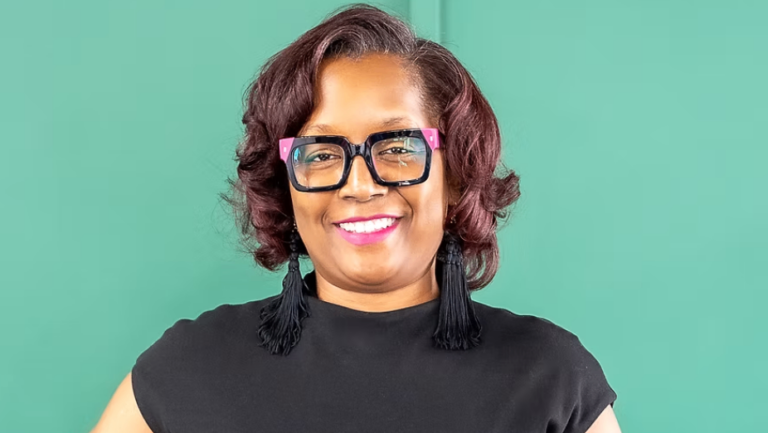
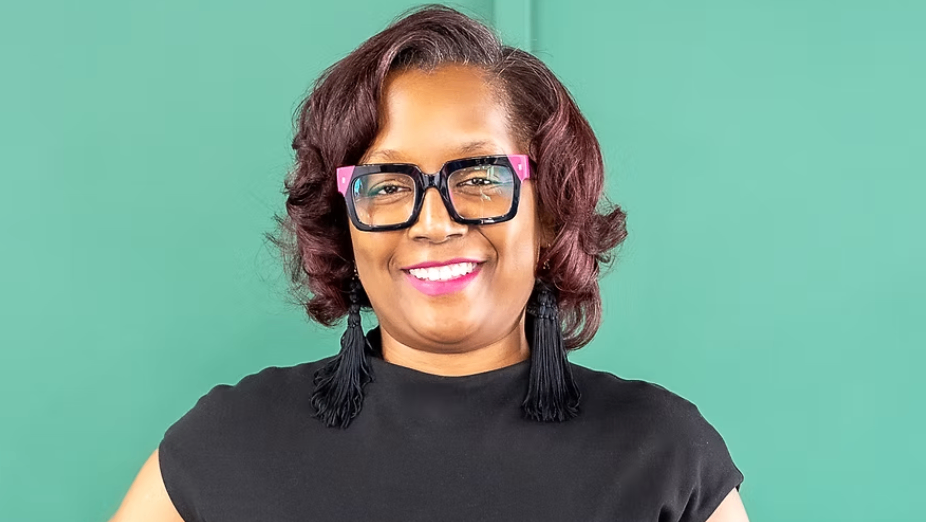
And as they navigate these realities, some say they often feel they have to carry those burdens alone, said Nikki Williams Rucker, founder of a platform called Black Mom Ish, dedicated to providing a support group for Black women.
Rucker told BlackDoctor in an interview that her organization has studied how Black mothers talk about stress, support, and the ways they respond to trauma in their lives.
“One of the things that we have found in our research study, and whenever we meet up and have open and honest conversations with our moms, is familial trauma,” Rucker said. “Families, for decades, have been told that what happens in this house, stays in this house, or they’re trying to buy into this strong black woman dynamic, this caricature that says we can handle it all, and if, for some reason, we have to reach out for help, we are somehow less than a mom, less than a woman.”
But asking for help, she said, is something her organization is working to normalize for women of color. “We’ve been trying to help black women to unlearn that and see that asking for help is actually a strength and not a weakness.”
Rucker founded the Chicago-based, community-centered platform to create spaces for Black women through conversations, storytelling and shared experiences.
The community Rucker has developed connects moms through events and offers resources and support. That work is crucial amid the pressures Black mothers face in many parts of their lives, including maternal health, sleep and the daily demands of raising a family.
In fact, Black women in the United States experience pregnancy‑related deaths at more than three times the rate of white women, according to a report from the Centers for Disease Control and Prevention.
A Motherly report pointing to CDC data shows that 84 percent of pregnancy‑related deaths are preventable. According to the CDC, most pregnancy-related deaths are preventable. Regular prenatal, postpartum, and follow-up care, along with prompt medical attention for concerning symptoms, can help identify and treat complications before they become life-threatening.
Sleep is another area where they have reported feeling stretched thin. The Motherly report found that only 48 percent of Black moms said they get at least six hours of sleep, compared with 61 percent of moms overall.
Black moms are also more likely to lead their households, according to the report. They are 20 percent less likely than white moms to have a partner to share parenting duties, which means many take on the bulk of responsibilities at home.
As she has worked with hundreds of Black women through her platform, Rucker shared more insight into what Black moms should know, the experiences women have brought to her community, and what she has learned along the way in an interview with BlackDoctor.
A: Some of the biggest sources of stress that we see are a lack of resources in the community, lack of financial understanding, as well as neurodivergent family dynamics, and moms trying to navigate the IEP 504 process within the public school system and not getting the necessary resources for their children.
A: For us, one of the things that our entire organization is based around is those pillars of understanding, health and wellness, financial literacy, building community, and sisterhood. I think those alone are the foundation and the basic pillars of having a healthy community, because you need to be able to have those foundational tools and resources at your disposal. You can’t just say, “I’m going to go talk to my girlfriends.” Sometimes your girlfriends need to refer you to a therapist. You need to be able to talk to a therapist or go see a doctor to see about your physical and mental health, as well as being able to have that community to not only hold you accountable but to provide a safe space for you to be able to decompress, to be able to talk about things, and then that sense of sisterhood that says “Hey, we are in this together, and if you need it, I’ve got it, and if I’ve got it, you’ve got it. “ That’s what truly makes up a healthy community. You can’t just have a community of people who get together and just have fun, because that’s not realistic. You have to have a community built on not only trust, but also a sharing of resources, because we can’t do it all alone.
A: It all boils down to time. Everybody had the same through line in terms of not being able to find the time to do it, and what we try to provide with our workshops, as well as our meetups and events, is to give Black moms that time back. So even if it’s just four hours with us, they’ve all expressed how much this time away from their children, away from their families, has allowed them to tap back into what it means to just be a woman. Time is definitely that red thread through all of everybody’s conversations with us. It’s just being able to find the time to just go be alone for a few minutes, to think, to breathe, to be able to jot down what it is that they need to do in terms of their next steps. To be able to create a family plan requires time, but if you’re getting up at 4 o’clock in the morning just to have a little shower alone, because you have a family or neurodiverse children or absent fathers or fathers who are also stressed, then that’s not sustainable at all.
A: Some of the biggest things that moms in our group have shared with us is that they’ve seen a decrease in their physical health, in terms of hair falling out, weight gain, and stress. A lot of our moms have even experienced heart issues due to some of the stress that they’re carrying. We see moms with high cholesterol, moms with racing thoughts, not being able to calm their minds. Some moms even expressed having suicidal ideations based on some of the things that they’re holding inside. Some have reported increased symptoms of autoimmune disease, not being able to sleep at night, not being able to get up in the morning. All of a sudden, their body is keeping score. Dissociating was also another key thing that we’ve noticed that moms have expressed. I didn’t realize how much I was dissociating and just not feeling like I was in my body. Some moms describe it as their body feels heavy on earth, and that’s a hard thing to walk around with.
A: I think the biggest thing that I’ve learned, and it’s completely also a mirror for my own life, is that I have to put myself first and say, “Hey, I can’t do this by myself; it’s impossible.” If you’re trying to do motherhood in isolation, you’re setting yourself up for failure. I spent the first few years of motherhood just trying to navigate it within my own house and reaching out to just my small community of friends and family. Now I recognize that we have to get back to this sense of family and community that is extending beyond your physical household. We are all going through the same thing at different times, and if we would just take the time to talk to each other, we would be able to help a person to get past something a lot faster. We would feel less isolated and alone because of the things that we’re going through.

By subscribing, you consent to receive emails from BlackDoctor.com. You may unsubscribe at any time. Privacy Policy & Terms of Service.