
If you have hay fever or allergic asthma, take a few steps to reduce allergens in your home. Some steps to reduce indoor allergens are complicated and time-consuming — but there are some easy things you can do that may help. Some steps may be more effective than others, depending on what particular allergy or allergies you have.
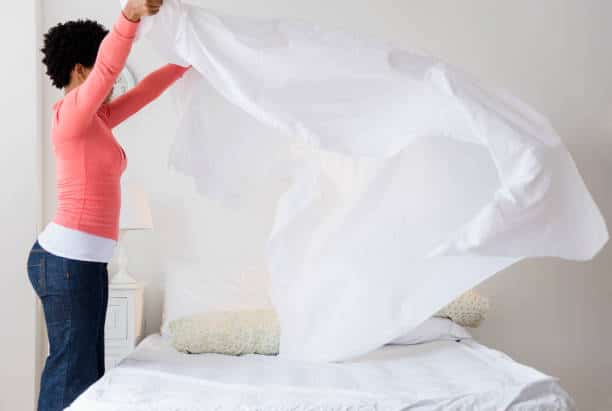
1. Bed and bedding. Encase pillows, mattresses and box springs in dust-mite-proof covers. Wash sheets, pillowcases and blankets at least once a week in water heated to at least 130 F (54 C). Remove, wash or cover comforters. Choose bedding made of synthetic materials.
2. Flooring. Remove carpeting and use hardwood or linoleum flooring or washable area rugs. If that isn’t an option, use low-pile instead of high-pile carpeting and vacuum weekly with a vacuum cleaner that has a high-efficiency particulate air (HEPA) filter. Shampoo the carpet frequently.
3. Curtains and blinds. Use washable curtains made of plain cotton or synthetic fabric. Replace horizontal blinds with washable roller-type shades.
4. Windows. Close windows and rely on air conditioning during pollen season. Clean mold and condensation from window frames and sills. Use double-paned windows if you live in a cold climate.
5. Furnishings. Choose easy-to-clean chairs, dressers and nightstands made of leather, wood, metal or plastic. Avoid upholstered furniture.
6. Clutter. Remove items that collect dust, such as knickknacks, tabletop ornaments, books and magazines. Store children’s toys, games and stuffed animals in plastic bins.
7. Pets. If you can’t find a new home for your dog or cat, at least keep animals out of the bedroom. Bathing pets at least twice a week may reduce the amount of allergen in the dander they shed.
8. Air filtration. Choose an air filter that has a small particle or HEPA filter. Try adjusting your air filter so that it directs clean air toward your head when you sleep.
RELATED: Stop The Sneezing! 3 Ways To Avoid Spring Allergens

1. Flooring. Remove carpeting and use hardwood or linoleum flooring or washable area rugs. If that isn’t an option, use low-pile instead of high-pile carpeting and vacuum weekly with a vacuum cleaner that has a small-particle or high-efficiency particulate air (HEPA) filter. Wash area rugs and floor mats weekly, and shampoo wall-to-wall carpets periodically.
2. Furniture. Consider replacing upholstered sofas and chairs with furniture made of leather, wood, metal or plastic.
3. Curtains and blinds. Use washable curtains made of plain cotton or synthetic fabric. Replace horizontal blinds with washable roller-type shades.
4. Windows. Close windows and rely on air conditioning during pollen season. Clean mold and condensation from window frames and sills. Use double-paned windows if you live in a cold climate.
5. Plants. Find a new home for potted plants or spread aquarium gravel over the dirt to help contain mold.
6. Pets. If you can’t find a new home for your dog or cat, consider keeping it outside if the weather permits.
7. Fireplaces. Avoid the use of wood-burning fireplaces or stoves because smoke and gasses can worsen respiratory allergies. Most natural gas fireplaces won’t cause this problem.
RELATED: Your Face Mask Is Shielding You From Allergens
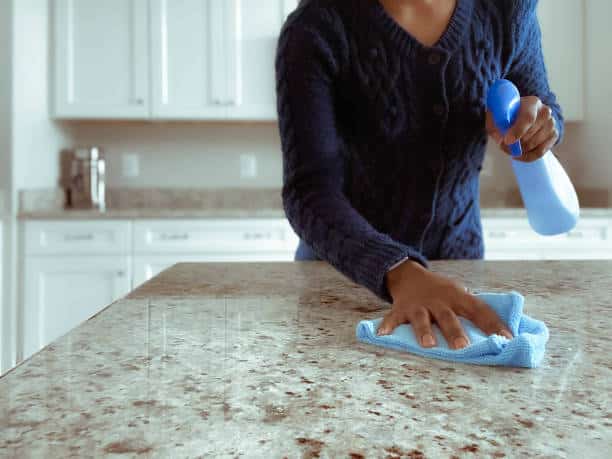
1. Stove. Install and use a vented exhaust fan to remove cooking fumes and reduce moisture. Most stove-top hoods simply filter cooking particulates without venting outside.
2. Sink. Wash dishes daily. Scrub the sink and faucets to remove mold and food debris.
3. Refrigerator. Wipe up excessive moisture to avoid mold growth. Discard moldy or out-of-date food. Regularly empty and clean dripping pan and clean or replace moldy rubber seals around doors.
4. Cabinets and counters. Clean cabinets and countertops with detergent and water. Check under-sink cabinets for plumbing leaks. Store food — including pet food — in sealed containers.
5. Food waste. Place garbage in a can with an insect-proof lid and empty trash daily. Keeping the kitchen free of food crumbs will help reduce the chance you will have rodents or cockroaches.
Worst Cities For Spring Allergens 2022: Is Yours On The List?

1. Ventilation. Install and use an exhaust fan to reduce moisture while taking baths or showers.
2. Floors. Remove carpeting and use tile, vinyl, wood or linoleum flooring. Use washable rugs.
3. Walls. Remove wallpaper and install tile, or paint walls with mold-resistant enamel paint.
4. Shower and tub. Towel-dry the tub and enclosure after use. Scrub mold from tub, shower and faucets with bleach. Clean or replace moldy shower curtains and bathmats.
5. Toilet and sink. Scrub mold from plumbing fixtures. Repair leaks.
RELATED: Rain or Shine, Allergens Are Tough. What’s the Link to Weather?

1. Flooring. Remove moldy or water-damaged carpeting. If possible, use concrete, vinyl or linoleum flooring.
2. Furniture. Consider replacing upholstered sofas and chairs with furniture made of leather, wood, metal or plastic.
3. Foundation, windows and stairwells. Check for and repair any sources of leaks or water damage.
4. Air quality. Use a dehumidifier to reduce dampness, and clean it once a week.
5. Storage. Store collectibles and clothes in plastic storage bins.
6. Clothes dryer. Vent moisture outside.

1. Temperature and humidity. Hot, humid houses are breeding grounds for dust mites and mold. Maintain temperature at 70 F (21 C) and keep relative humidity no higher than 50 percent. Clean or replace small-particle filters in central heating and cooling systems and in-room air conditioners at least once a month.
2. Pests. Control cockroaches and mice with inexpensive traps from the hardware store. If that’s not effective, hire a professional exterminator. To remove allergy-triggering insect and mouse residue, thoroughly vacuum carpeting and wash hard surfaces. To prevent re-infestation, seal cracks or other possible entryway.
3. Mold. Close doors and windows during warm weather and use air conditioning and dehumidifiers. Remove nonwashable contaminated materials such as carpeting. Clean washable material with a solution of 5 percent chlorine bleach and wear a protective mask when cleaning away mold. Check the roof and ceilings for water leaks.
4. Weekly cleaning routine. Damp-mop wood or linoleum flooring and vacuum carpeting. Use a vacuum cleaner with a small particle or a high-efficiency particulate air (HEPA) filter. Use a damp cloth to clean other surfaces, including the tops of doors, windowsills and window frames. If you have allergies, either wear a dust mask or get someone who doesn’t have allergies to do this job. Change or clean heating and cooling system filters once a month.
5. Smoking. Don’t allow smoking anywhere inside your house.


By subscribing, you consent to receive emails from BlackDoctor.com. You may unsubscribe at any time. Privacy Policy & Terms of Service.