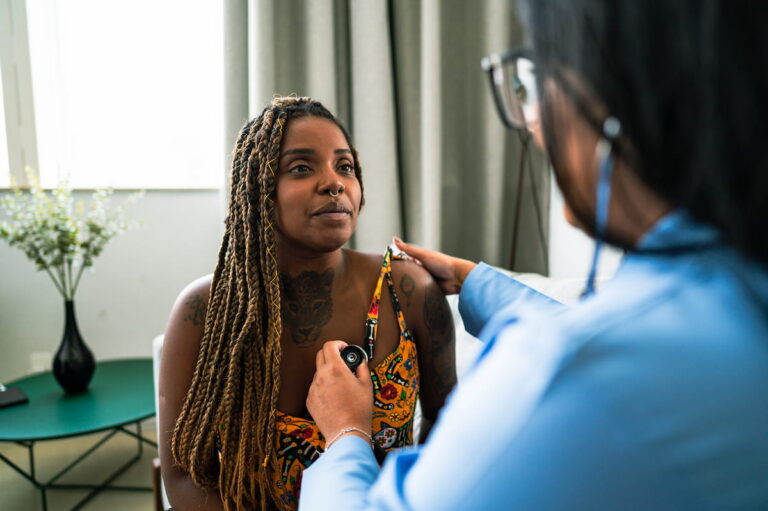
Psoriasis is a chronic skin condition that affects millions of people worldwide. It can cause patches of red, dry, itchy skin, known as plaques, which can become itchy, flaky, and sometimes even crack and bleed if not well managed. If you’re dealing with these symptoms, it’s important to know how to care for your skin properly to prevent further discomfort and reduce the risk of infection.
Understanding the Causes
Before we dive into the tips for managing cracked and bleeding skin caused by psoriasis, let’s understand why it happens. According to Dr. Saakshi Khattri, an associate professor of dermatology at Mount Sinai Hospital in New York City, dryness is the primary culprit behind skin cracking and subsequent bleeding. The more parched your skin, the more likely it is to develop cracks and open sores.
First-Aid Care for Cracked Skin
If you find yourself dealing with cracked or bleeding skin due to psoriasis, here are some first-aid tips to help you manage the situation:
Featured on BlackDoctor
Clean your hands: Before touching your skin, wash your hands thoroughly with warm, soapy water to reduce the risk of infection.
Stop the bleeding: Apply gentle pressure to the fissure with a clean bandage or cloth until the bleeding stops.
Clean the wound: Rinse the wound under running tap water and clean the surrounding area with soap. Remove any dirt, lint, or debris from the wound gently.
Apply a protective ointment: Petroleum jelly is an effective over-the-counter option for protecting injured skin and promoting healing.
Watch for signs of infection: Keep an eye out for pus, tenderness, worsening redness, or systemic symptoms like fevers or muscle pain, which could indicate an infection. If you notice any of these signs, consult your doctor promptly.
Prevention is key when it comes to managing psoriasis-related skin issues. Here are some tips to help you prevent skin cracking and bleeding:
Keep your skin moisturized: Moisturize your skin regularly, especially after bathing or washing your hands, to prevent dryness.
Remove scales gently: Use over-the-counter lotions and creams with salicylic acid to reduce scale buildup, but be gentle to avoid causing further damage.
Be gentle with your skin: Avoid using abrasive products or aggressive measures that could worsen skin damage.
Identify and avoid triggers: Understand your psoriasis triggers and take steps to avoid them, which can help prevent plaques from forming.
Consulting Your Doctor
Lastly, if you find that your psoriasis symptoms, including skin cracking and bleeding, are persistent or severe, it’s essential to consult your doctor. They can help you develop a treatment plan tailored to your needs, which may include medicated topical treatments or systemic therapies like biologics. Working closely with your doctor can help you effectively manage your psoriasis and improve your quality of life.
Treatment Options for Psoriasis
In addition to self-care strategies, there are various treatment options available for managing psoriasis. These treatments aim to reduce inflammation, control skin cell growth, and alleviate symptoms. Here are some common treatment options your doctor may recommend:
Topical treatments: These are applied directly to the skin and include corticosteroids, vitamin D analogs, retinoids, and coal tar. They help reduce inflammation and slow down skin cell growth.
Phototherapy: Also known as light therapy, this treatment involves exposing the skin to ultraviolet light under medical supervision. It can help reduce inflammation and improve skin appearance.
Systemic medications: These are taken orally or by injection and work throughout the body to control the immune system’s response. Biologics, methotrexate, and cyclosporine are examples of systemic medications used to treat psoriasis.
Oral medications: In some cases, oral medications like apremilast may be prescribed to help control psoriasis symptoms.
Combination therapies: Your doctor may recommend a combination of treatments to effectively manage your psoriasis, especially if one treatment alone isn’t providing sufficient relief.
Developing a Personalized Treatment Plan
The effectiveness of psoriasis treatment can vary from person to person, so it’s essential to work closely with your doctor to develop a personalized treatment plan that addresses your specific needs and concerns. Your doctor will consider factors such as the severity of your psoriasis, the location of your plaques, your overall health, and any other medications you may be taking.
It’s important to follow your treatment plan as prescribed by your doctor and attend regular follow-up appointments to monitor your progress.
If you experience any side effects or have concerns about your treatment, don’t hesitate to
discuss them with your doctor. Open communication is key to ensuring that you receive the most effective and appropriate care for your psoriasis.
In addition to medical treatments, self-care plays a crucial role in managing psoriasis. Here are some self-care tips to help you manage your condition:
Maintain a healthy lifestyle: Eating a balanced diet, getting regular exercise, and managing stress can help improve your overall health, which may in turn benefit your psoriasis.
Avoid triggers: Identify and avoid triggers that exacerbate your psoriasis symptoms, such as certain foods, stress, or environmental factors.
Protect your skin: Use gentle skincare products, avoid hot water and harsh soaps, and protect your skin from extreme temperatures and sun exposure.
Stay informed: Stay up-to-date with the latest research and developments in psoriasis treatment and management. Knowledge is power, and being informed can help you make informed decisions about your care.
Seek support: Living with psoriasis can be challenging, so don’t hesitate to seek support from friends, family, or support groups. Talking to others who understand what you’re going through can be incredibly helpful.
Final Thoughts
Living with psoriasis can be challenging, especially when dealing with symptoms like cracked and bleeding skin. However, with the right care and treatment, it is possible to manage the condition effectively and improve your quality of life. By following the tips outlined in this article and working closely with your doctor, you can take control of your psoriasis and enjoy healthier, more comfortable skin.
BlackDoctor is the world’s largest and most comprehensive online health resource specifically for the Black community. BlackDoctor understands that the uniqueness of Black culture - our heritage and our traditions - plays a role in our health. BlackDoctor gives you access to innovative new approaches to the health information you need in everyday language so you can break through the disparities, gain control and live your life to its fullest.
✦ AI Search Disclaimer This AI-powered search tool helps you find relevant health articles from the BlackDoctor.org archive. Please keep the following in mind:
✦ For Informational Purposes Only The information provided through this AI search is for general educational and informational purposes only. It is not intended as a substitute for professional medical advice, diagnosis, or treatment.
✦ Always Consult a Healthcare Provider Never disregard professional medical advice or delay seeking it because of something you have read through this search tool. If you have a medical emergency, call your doctor or 911 immediately.
✦ AI Limitations This search tool uses artificial intelligence to help match your queries with articles in our archive. While we strive for accuracy, AI-generated results may occasionally be incomplete, outdated, or not fully relevant to your specific situation.
✦ No Doctor-Patient Relationship Using this search tool does not create a doctor-patient relationship between you and BlackDoctor.org or any healthcare provider.
Explore over 35,000 articles and videos across black health, wellness, lifestyle and culture