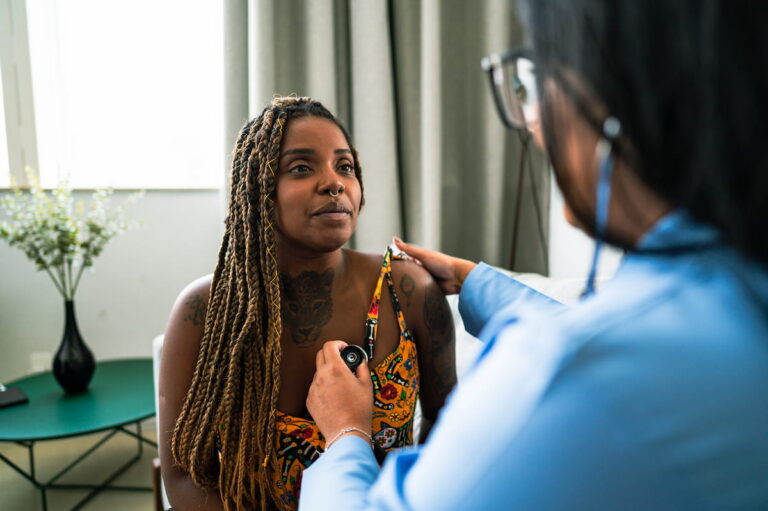
Diagnosing and managing deadly hypertensive disorders during pregnancy
Imagine you’re in the third trimester of your first pregnancy. You’re healthy. Everything has gone well so far, nothing out of the ordinary. Then, seemingly without warning, you begin experiencing intermittent shortness of breath, swelling in the hands and face, blurred vision, headaches, and stomach pains that don’t go away. The experience is alarming, to say the least. Unfortunately, for an increasing number of women facing preeclampsia during pregnancy, these symptoms and the serious risks they signal, are an escalating concern.
Preeclampsia is believed to stem from abnormalities with the formation of blood vessels and circulation in the placenta. Left untreated, it can lead to dangerously high blood pressure and damage to the kidneys and other organs. While it is most common after 20 weeks of gestation, preeclampsia can also develop postpartum. Regardless of when it strikes, the most severe cases can result in stroke, seizures, HELLP (hemolysis, elevated liver enzymes, low platelet count) syndrome, and risk of death for both mother and child. Most women with preeclampsia will deliver healthy babies and fully recover, however, some may experience serious complications.
It is estimated that preeclampsia occurs in five to eight percent of all pregnancies.¹ Over the last two decades, the rate of preeclampsia has increased by 25 percent, and is now a leading cause of maternal and infant illness and death.¹ There is also a disparity among the U.S. population, with preeclampsia occurring at a rate 60 percent higher in Black women than in White women. Black women are also more likely to experience poor outcomes and more severe complications associated with the condition, such as kidney damage and death.2 Worldwide, preeclampsia accounts for more than 70,000 maternal deaths and 500,000 fetal deaths annually.3
Preeclampsia most often occurs in women experiencing their first pregnancies; however, there are several factors associated with higher risk. Notably, women with a history of preeclampsia are seven times more likely to develop it again. Additional common risk factors include:
As highlighted above, Black women face a significantly elevated risk and experience much higher rates of preeclampsia and associated complications than the overall population.
RELATED: 6 Pregnancy Terms You Probably Won’t Hear Again

Preeclampsia is particularly dangerous because it lacks noticeable symptoms in its early stages. This is another reason why routine prenatal care and doctor’s visits are so important. As the condition progresses, specific warning signs may include:
Pregnant women experiencing any of these symptoms should seek immediate medical attention. Importantly, regular blood pressure checks, urine tests, and regular monitoring can help identify at-risk patients and prevent more serious complications for mother and baby.
Preeclampsia is generally diagnosed based on symptoms such as the onset of hypertension (blood pressure ≥140/90 mm Hg; two occasions at least four hours apart) and the presence of an abnormally high level of protein in the urine (≥0.3 g/24 hours) called proteinuria.6 These markers are typically monitored and assessed after 20 weeks of gestation, but are monitored throughout pregnancy and can indicate the onset of preeclampsia at any time.
Additional diagnostic procedures include blood testing to assess liver function, kidney function, and platelet count. However, these methods are often imprecise in determining a woman’s level of risk for spontaneous preterm birth or iatrogenic delivery. For clinicians, working with the limitations of these tests can present a range of challenges when distinguishing women with severe disease from those with mild or no disease. Fortunately, there is another tool that doctors can use to determine the severity of disease, one with a high degree of accuracy for predicting preeclampsia. Placental Growth Factor (PlGF) is a specific biomarker test that can identify failed placentation and its complications, including preeclampsia.
RELATED: Pregnancy Complications Rising in Black Women, 5 Ways to Lower Your Odds
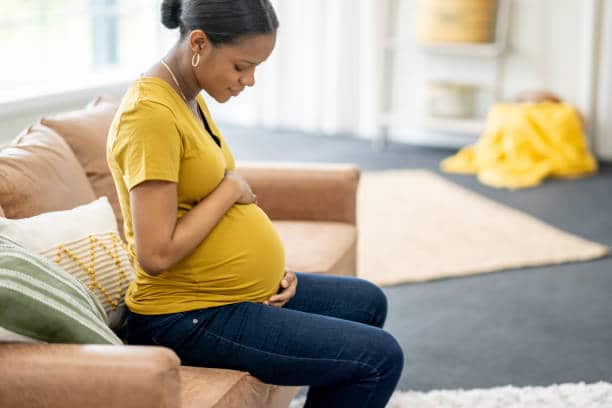
There is no cure for preeclampsia other than delivery of the baby and placenta. However, treatment strategies depend on the severity of the condition and the stage of pregnancy. Mild cases may be managed with bed rest, antihypertensive medications to lower blood pressure, and close monitoring. Severe preeclampsia may require hospitalization, intravenous medications like magnesium sulfate to prevent seizures, and corticosteroids to accelerate fetal lung development if early delivery is anticipated. Emergency delivery becomes necessary if the health of the mother or baby is at risk, regardless of gestational age. In postpartum cases, blood pressure monitoring and medications may continue for weeks after birth.7
Awareness of the symptoms and risk factors among women, their families, and their caregivers is essential to reducing the most serious consequences of preeclampsia. Along with early detection and proper prenatal care, expectant mothers are also encouraged to attend all prenatal appointments, report any unusual symptoms, and maintain a healthy lifestyle before and during pregnancy. With greater knowledge of the issues and improved access to care, more women can be empowered to take control of their health for themselves and their unborn babies.
About the author

Dr. Rea Castro, Director of Medical Affairs at QuidelOrtho. A seasoned medical professional with extensive experience in pharmaceutical clinical development, biotechnology, and diagnostic product development across multiple therapeutic areas, including immunology, oncology, and women’s health.


By subscribing, you consent to receive emails from BlackDoctor.com. You may unsubscribe at any time. Privacy Policy & Terms of Service.