‘Endo belly’ may affect one in 10 women with endometriosis. It’s the vernacular word for excessive bloating and pain caused by the ailment.
TikTok videos regarding endo belly, particularly around menstruation, have over 60 million views. Endometriosis, with typical waiting periods of seven and a half years, is also an increasing interest for those battling to acquire care.
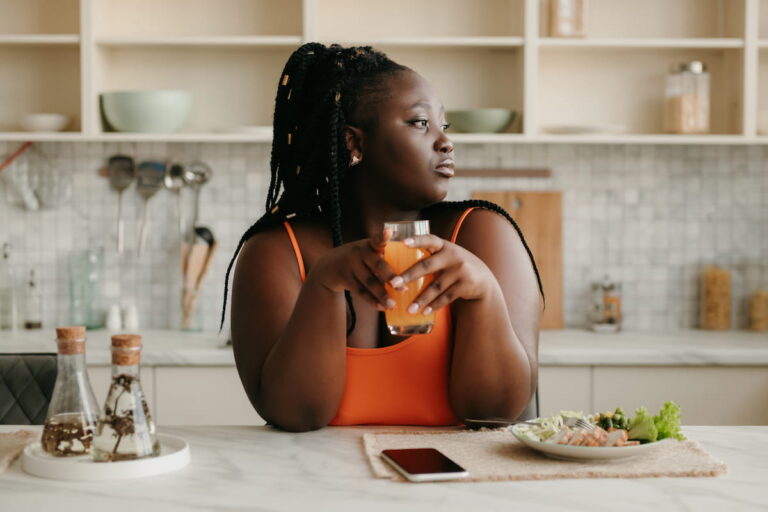
Eating is affected by a painful, swollen stomach. Who wants to force food into a full, sensitive stomach? Nutrition might also reduce symptoms.
Cordula Henggeler, a women’s health dietician, says her customers commonly claim endo belly makes them seem six months pregnant. ‘It commonly gets confused for IBS and seems to be tied to the menstrual cycle, with the biggest flare-ups shortly before or around the period, although it may happen at any time of the month. Inflammation, increased gas production, gut microbiota alterations, visceral hypersensitivity, dietary intolerances, or intestinal endometrial lining expansion may cause endo belly.
Henggeler emphasizes that many women with regular periods have IBS-like symptoms and bloating but not endo belly. ‘A little of bloating is totally natural, and an indication of our gut flora working hard, but the bloating experienced by patients with endo is considerably more intense and may be incredibly uncomfortable,’ she explains.
A tiny but enlightening research indicated that endometriosis patients were substantially more likely to have stomach bloating (96 percent vs. 64 percent) and find it very unpleasant (30 percent vs 0 percent ).
RELATED: 5 Ways To Find A Great Endometriosis Specialist
Henggeler believes nutrition may assist, but it’s specialized. Changing someone’s diet to relieve endo belly symptoms varies on the individual, but she employs important suggestions.
A BMC Women’s Health study found that persistent constipation affects 12–85 percent of endometriosis patients, demonstrating the need for greater research.
Henggeler addresses constipation first since it worsens bloating. Since endometriosis is caused by estrogen, improving constipation may help the body effectively excrete it.
Henggeler advises against focusing just on a diet to treat endo belly. Chewing our food properly, spending time with meals, eating frequently, not snacking all day, and not missing meals all aid digestion. ‘It’s fair that people want to concentrate on food alone, but how someone eats may also cause bloating,’ she explains.
Extreme bloating makes it tempting to skip meals or eat quickly to avoid thinking about it. Though it seems contradictory, eating well and consistently is crucial.
No progress? Examine your diet.
Henggeler states, ‘There are no rigorous, commercially accessible food intolerance tests (excluding lactose intolerance); thus the only way to establish an intolerance is to perform a period of exclusion followed by re-introduction to observe whether the symptoms improved without the meal.
The technique of limiting food doesn’t work and sometimes leads to highly restricted diets and food anxiety. Food intolerances are widespread in the endo community since inflammation may affect digestion. Still, it’s about finding out your upper threshold for food items and only doing so if it actually improves symptoms,’ she adds.
A dietitian can help you identify trigger foods and encourage this kind of dietary elimination and reduction.
RELATED: 10 Endometriosis Questions You Need To Ask Your Doctor
Henggeler suggests easy, relaxing meals for flare-ups.
She recommends moderate movement, stretches to release trapped gas, a light belly massage if appropriate, deep breathing exercises, loose clothes, and heat packs for mid-flare-up relief.
Anti-inflammatory diets are better for long-term endo-health. Henggeler argues that’s not bio-hacky, the Mediterranean diet’s fancy name. She says the diet includes antioxidant-rich foods such as fatty salmon, zinc-rich proteins, nuts or seeds, colorful berries, cruciferous and dark leafy vegetables (as tolerated), extra virgin olive oil, and vitamin C-rich fruit.
It also restricts artificial sweeteners, too much red or processed meat, sugar-sweetened drinks, excess alcohol, and overly processed foods. There’s a great difference between baking, steaming, grinding, and freezing operations that make food edible versus extensively processing components that may eliminate a lot of nutrients.
After your flare-up has faded, adopt these food adjustments. ‘Try these once the acute flare-up settles and implement any changes slowly over a couple of weeks to give your gut time to adjust and spread fruits and veggies over the course of the day rather than having several servings all at one meal and none on the other meals – it just helps the gut deal with the added fiber,’ she says.
Remember: endo belly food is for comfort, not cure. With this harsh circumstance, your body should come first.


By subscribing, you consent to receive emails from BlackDoctor.com. You may unsubscribe at any time. Privacy Policy & Terms of Service.